
Why warehouse due diligence matters before the offer is signed
Industrial property often looks simpler than office or retail stock, but warehouses bring their own set of risks. A clean erf description does not always mean the building may be used the way the seller claims, and a busy yard does not always mean the right occupier is in place. For buyers and lenders, the key is to confirm what is on paper against what is happening on site.
In Centurion, Pretoria, Johannesburg and along the freight routes to Durban and Cape Town, warehouse assets are commonly bought for owner use, investment or tenant-driven income. That means the report must test more than ownership. It must also look at access, loading arrangements, zoning use, lease position, and whether the site matches the records held by the municipality and the deeds office. If there is a mismatch, the cost can show up later in delay, repair work or a deal that cannot close on time.
A proper review should answer three basic questions. Can the property be used for the intended purpose, is the occupier legitimate, and are there any conditions that may affect funding or transfer? If those answers are not clear, the transaction carries avoidable risk.
Access, loading and yard use need practical checking
Warehouse access is not just about a gate and a driveway. The turning circle, truck entry points, loading bay height, yard surface and congestion on surrounding roads all affect how the property functions. A site that works for 8 ton delivery vehicles may be a problem for articulated trucks, and a narrow access road can become a daily bottleneck for tenants.
We often see issues in industrial areas where the building is sound but the operational use is under pressure. In some parks, loading bays have been altered over time, paving has settled, or the yard has been extended in a way that is not reflected in the approved plans. That can create compliance questions with the local authority and may also affect insurance or lender conditions.
- Check whether the access route is suitable for the actual vehicle mix used on site
- Confirm parking, turning and loading areas against the current occupation pattern
- Look for stormwater pooling, cracked paving, damaged kerbs and poor drainage
- Note security controls, perimeter condition and any shared access arrangements
- Verify whether forklifts, racking or external storage are affecting safe movement
Use rights, zoning and occupancy must line up
A warehouse can be occupied, yet still not be used in the way the owner believes. The zoning may permit storage, light industrial activity or distribution, but not every operation fits every site. If a buyer plans to change the use, or if a lender is funding against a specific income stream, the permitted use matters.
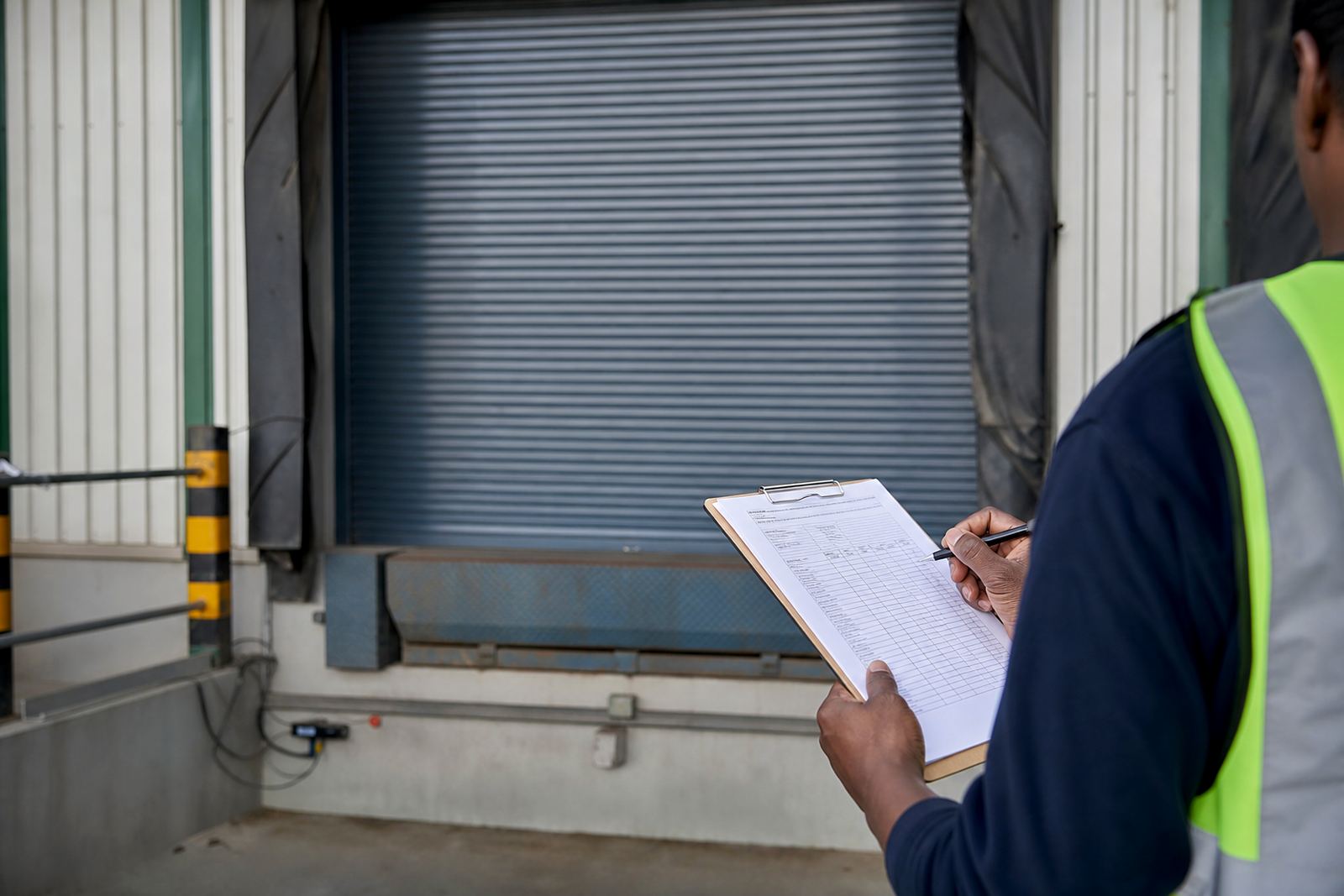
Occupancy checks are just as important. We look at who is actually on site, whether the tenant or owner occupies the premises as claimed, and whether there are signs of subletting or informal occupation. This is especially important where several businesses share one yard or where a portion of the building is used for production, storage and admin all at once. A quick site visit can show whether the stated use matches the actual occupation.
For warehouses in Gauteng, this often comes down to simple but critical questions: is the operation lawful for the property, is the tenant consistent with the lease file, and are there any signs that a section of the building is being used outside the agreed arrangement? If the answer is uncertain, the report should say so plainly.
Ownership, title and document checks are not paperwork only
Warehouse deals can move fast, especially where the property is income producing. But title and document review should never be rushed. Ownership must match the seller, the legal entity must be properly identified, and any bonds, servitudes or use restrictions need to be understood before funds are released.
Our document gap review checks for missing items that may delay transfer or funding. These can include lease agreements, approved building plans, compliance certificates, occupancy documents and company records that support the transaction. A lender will want to know whether the file is complete enough to support a credit decision, while a buyer needs to know whether the asset can be taken over without hidden baggage.
- Confirm the registered owner and compare it to the selling party
- Check for bond, servitude or access constraints that may affect use
- Review whether lease documents support the income claimed
- Identify missing approvals, plans or occupancy records early
- Flag any company or trust record issues linked to the transaction
Local risk patterns in Centurion, Pretoria and the main freight corridors
In Centurion and Pretoria, many warehouses sit close to transport routes, which is useful but not risk free. Traffic pressure, noisy neighbouring uses and mixed industrial activity can all affect the long term suitability of a site. In Johannesburg and Sandton fringe industrial pockets, access control and tenant mix may be just as important as building condition. In Durban, coastal humidity can accelerate corrosion, affect roofing elements and increase maintenance demands on older stock. In Bloemfontein, dust, wind exposure and wider service distances can make upkeep and response times more difficult.
A local example is a warehouse in Midrand being bought for last-mile distribution. The building may look fine, but a due diligence review can reveal that the yard is too tight for the intended truck flow, the occupation does not match the lease, and the approved use does not fully reflect the current operation. That sort of finding changes the negotiating position quickly. It may mean the buyer asks for a price adjustment, a condition precedent, or further proof before transfer.
For lenders, this kind of local detail matters because a property that is difficult to access or expensive to maintain can become harder to realise if the loan turns sour. The better the upfront check, the easier it is to lend with confidence.
What a strong warehouse due diligence report should include
A good report is not a stack of papers. It is a clear view of the risks that matter for the deal. Buyers and lenders need concise findings, plain language, and enough detail to act on. That means combining property research, company checks, field verification and document review into one practical result.
At Around Report SA, warehouse due diligence can include ownership verification, site visit verification, occupancy checks, adverse media research, credit risk screening, transaction file audit and report customisation. The final report should tell the reader what was checked, what was found, and which issues need follow up before the transaction proceeds.
- Confirm who owns the property and who occupies it
- Check access, loading and site use against the stated operation
- Review leases, records and company information for gaps or inconsistencies
- Assess operational risk in relation to the intended purchase or loan
- Provide a clear summary that supports a decision, not just more paperwork
For warehouse buyers and lenders, due diligence is not about slowing the deal down. It is about making sure the property is fit for the purpose it is supposed to serve.