




What You Will See Across These Case Studies
Our recent case studies cover a mix of company and property due diligence work across Gauteng, the Western Cape, KwaZulu-Natal and the Free State. Some matters start with a simple ownership question, while others need a wider review of records, occupancy, trading history and transaction documents before a decision can be made.
If you are deciding which example to read first, choose by the risk you are trying to reduce. A lender may want ownership verification and file checks, while a buyer may need site visit verification, occupancy checks and a closer look at adverse media or director profiles. The aim is not only to confirm details, but to show where a deal needs more work before signatures are placed.
Property Records That Changed the Next Step
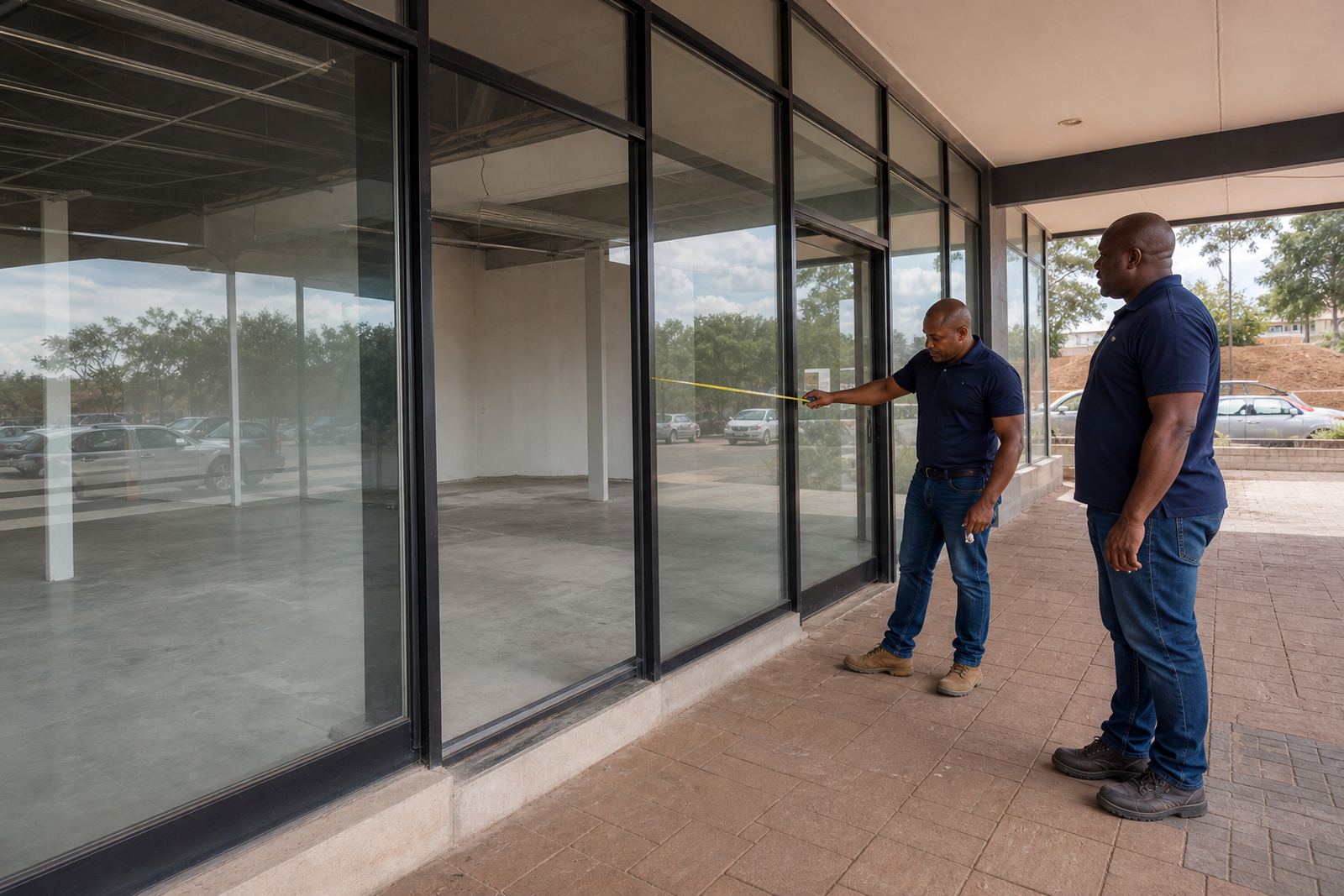
Several property matters start with a title deed search and end with questions about occupation, access or document gaps. In one Centurion instruction, the records matched the seller details but the site visit showed that the premises were partly used by another party, which meant the transaction needed a fresh review of the lease and occupancy position. In another case in Johannesburg, the ownership trail was in order but supporting documents from the transfer file were incomplete, so the buyer requested more paperwork before moving ahead.
- Ownership verification against the available records
- Site visit verification to confirm the physical situation
- Occupancy checks where use of the property matters
- Document gap review for missing or inconsistent files
These matters show why a clean record search is not always the end of the story. A building can look straightforward on paper but still need local verification, especially where multiple tenants, short term occupation or outdated records are involved.
Company Checks That Protected the Decision
On the company side, our work often focuses on who is behind the business, how it is structured, and whether there are warning signs that affect credit or transaction risk. One case involved a supplier in Durban where the business registration details were current, but director profile research uncovered earlier entities with unresolved issues. That finding did not automatically stop the deal, yet it gave the lender a clearer basis for setting conditions.
Another instruction in Pretoria required a transaction file audit because the paperwork had been assembled by several parties over time. We compared the company background, director details and supporting records, then flagged the gaps that needed confirmation before funds could be advanced. The file was not rejected outright, but the client had a much better picture of what still had to be cleared.
- Company background checks for structure and trading context
- Director profile research to identify links and previous activity
- Credit risk screening where repayment or supplier exposure is involved
- Transaction file audit for mixed or incomplete records
For many buyers and lenders, that is the practical value of a company review. It helps separate routine admin issues from matters that could affect payment, control or enforceability later on.
When Adverse Media Needed a Closer Look
Adverse media research can be useful where a transaction involves unfamiliar parties, public controversy or repeated disputes. In one case, the business records alone looked acceptable, but search results showed several reports that required context before a final view could be taken. We checked dates, parties, and whether the items related to the current entity or to another person with a similar name. That step prevented a rushed conclusion.
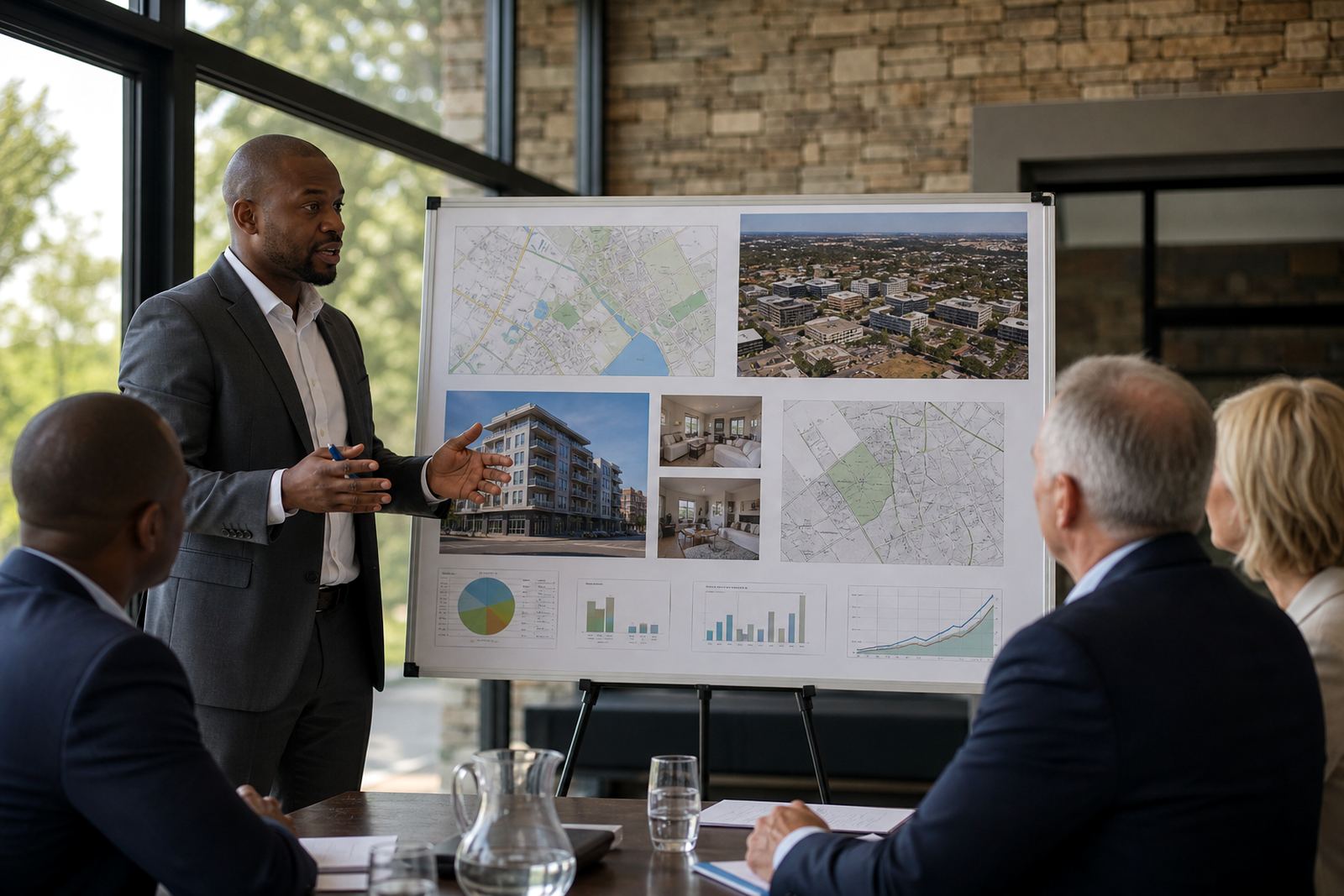
In another example, a lender asked for portfolio risk mapping across more than one property and company interest. Instead of treating each matter separately, we grouped the known facts and highlighted where the same counterparties, locations or risks appeared across the portfolio. That made it easier to see concentration points and decide where extra conditions were needed.
Good due diligence is often about proportion. Some findings are administrative and some are material, so the report must show the difference clearly and in plain language.
Site Visits and Occupancy Checks in Real Conditions
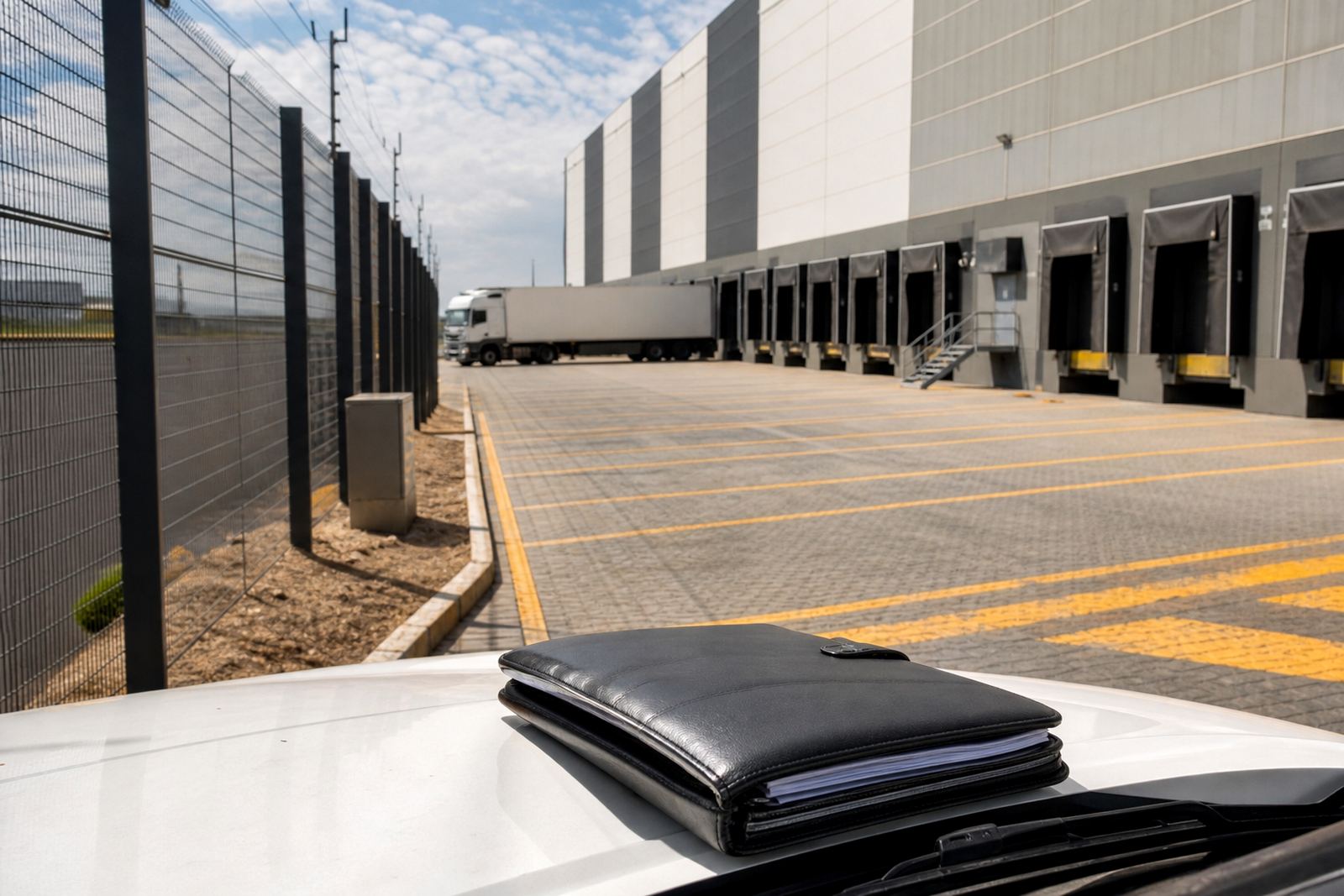
Field verification matters most where documents do not tell the full story. Our team has seen properties in Midrand, Sandton and Bloemfontein where the written description was accurate enough, yet the physical use of the site was different from what the parties expected. A proper visit can confirm signage, access, apparent occupation, shared use and whether a property seems active, vacant or under changed control.
In the South African market this is especially useful where load-shedding affects trading patterns, where coastal humidity can affect stored goods or building condition, and where municipal rules may influence how a property is used. A site check does not replace legal or financial review, but it adds the facts that people on the ground can actually verify.
How to Choose the Right Case Study for Your Situation
Start with the question you need answered. If you are buying property, focus on ownership verification, occupancy checks and document gap review. If you are lending against a business or asset, look for company background checks, director profile research, credit risk screening and transaction file audit. If the deal is broader or more complex, a combination of property and company work may be the better fit.
Our case studies are arranged to show that pattern in a practical way. Some are short and focused, others show how multiple checks came together before a client could proceed. The common thread is simple: better information before commitment makes a transaction easier to manage and far less uncertain.
- Choose property-led examples for title, occupation and site questions
- Choose company-led examples for ownership, control and trading questions
- Choose combined examples where the risk sits across both sides of the deal