

What the buyer needed cleared before transfer
The matter came from a private buyer of an industrial yard in Kempton Park, Gauteng. The property was being considered for light logistics use, with the buyer wanting a clear view of title, access, occupation and any legal or practical issues that could affect transfer or future operations.
The key concern was not just whether the stand existed on paper, but whether the yard could actually be used without delays from servitudes, third-party occupation or missing municipal and title records. That matters in Kempton Park where industrial sites often sit close to transport routes, shared access ways and older boundary arrangements that do not always match the seller’s file.
- Buyer type: private purchaser with lender involvement
- Property type: industrial yard with office component
- Town: Kempton Park, Gauteng
- Main risk areas: access, encumbrances, occupancy and transfer readiness
The constraints we had to work around
The client wanted the report before the end of the second week, so the work had to be managed quickly without cutting corners. The transaction file was incomplete at first, with a few gaps in the sale agreement pack and older supporting papers arriving separately. We also had to allow for the practical limits of site access, since industrial yards can have active operations, security controls and staff that are not available during normal office hours.
Load-shedding also affected the pace of on-site verification and follow-up calls. In areas like Kempton Park, where operations can run on tight schedules, a missed site contact can push the whole process back by a day or two. We planned around that by doing document review first, then aligning the physical checks to the same week so the findings stayed consistent.
- Incomplete transaction file at intake
- Need for same-week document and site verification
- Restricted access due to security and active yard operations
- Time pressure from buyer and lender review deadlines
What we checked on the yard and in the records
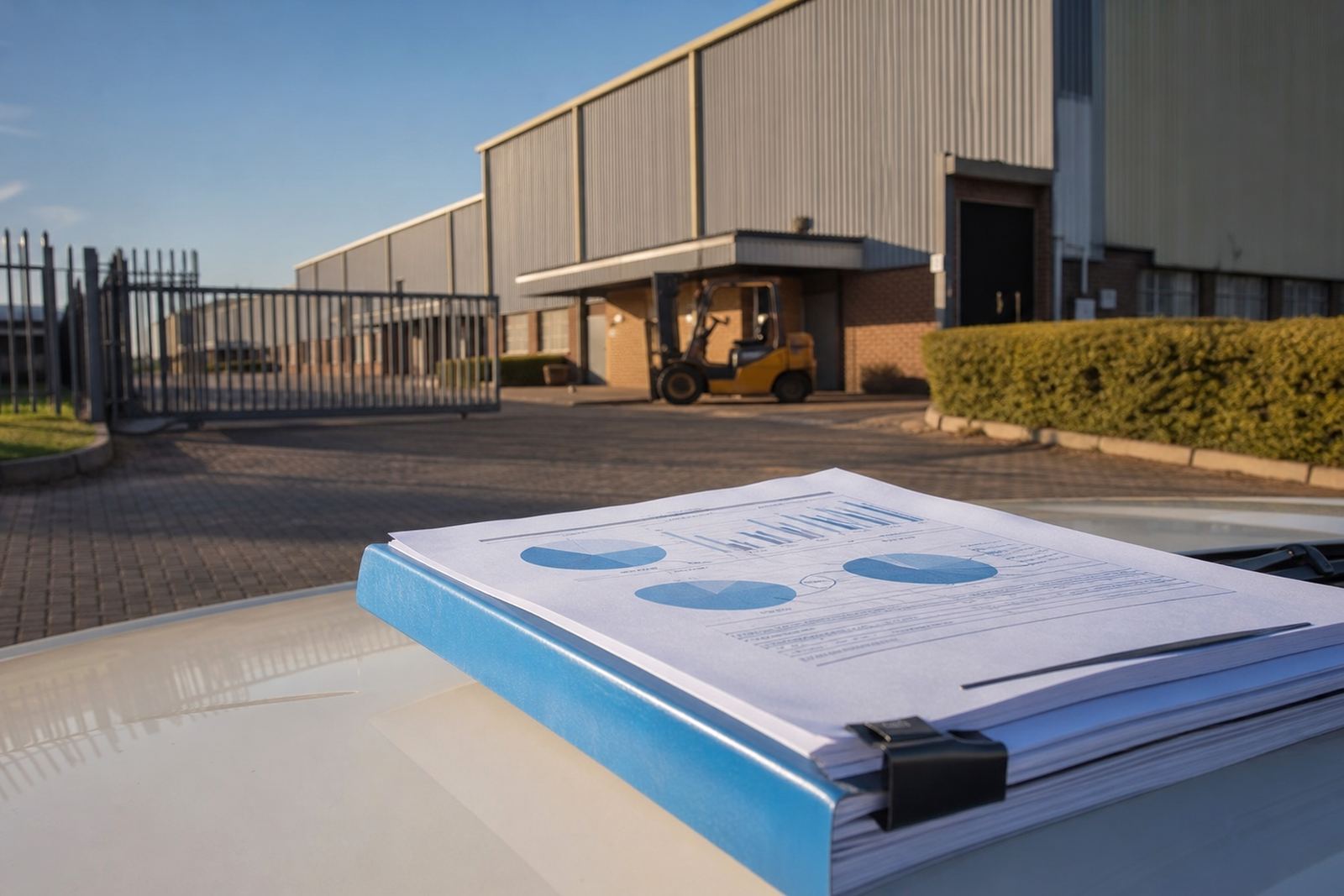
We carried out a company and property due-diligence process that combined record searches, field verification and document gap review. On the property side, we checked ownership, encumbrance indicators, access arrangements, visible occupation, and whether the yard use matched what was being sold. On the company side, where applicable to the transaction structure, we reviewed the seller profile, director connections and any adverse media that could affect the deal.
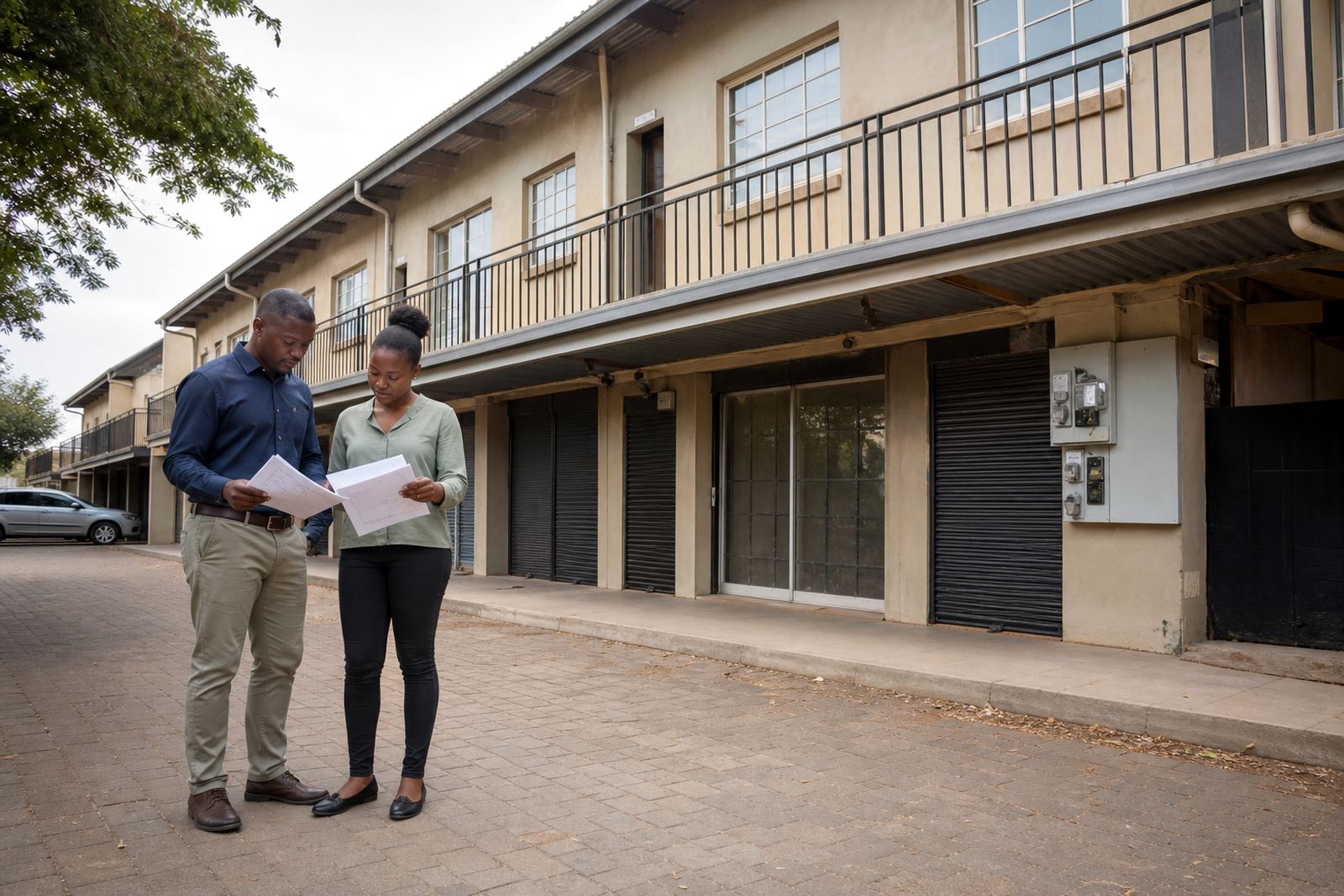
Our field verification lead visited the site and confirmed the physical layout, boundary use and access points. The property had active industrial activity, and the main issue was making sure the buyer knew exactly what was being taken over and what was not. We also checked whether the yard showed signs of shared use, subletting or informal storage that could create a handover problem later.
- Ownership verification and property record search
- Occupancy check and site visit verification
- Access review, including entry points and practical use
- Encumbrance screening and document gap review
- Adverse media and risk screening where relevant
Timeline and delivery in two weeks
The full assignment was completed over two weeks. The first week was used for record collection, title and ownership checks, and review of the transaction file. The second week was focused on the site visit, follow-up questions, and final report customisation for the lender and buyer. That pace worked well because it kept the findings current while still leaving room to verify anything unclear.
By splitting the work this way, we could flag issues early instead of waiting until the end. That is useful in South African industrial deals, where transfer dates, occupational arrangements and finance conditions often move at the same time. A delay in one part can affect the rest of the file fast, especially when attorneys are already working to register the transfer.
The final report was structured so the client could use it in discussions with the lender, the transfer team and the internal decision makers without needing to interpret raw records. It set out the facts in a practical order, starting with ownership and access, then moving to occupation and any items that needed further action.
What the report found
The report confirmed that the yard was occupied and functioning as an industrial site, but it also showed that the buyer had to be careful about how access and occupation were described in the sale file. The main value of the assignment was not a single dramatic issue, but the clarity it gave around what the buyer could rely on and what still needed to be cleaned up before transfer.
There were no unanswered questions left about whether the property was suitable for a due-diligence backed purchase. The client could see the current condition, the likely transfer risks and the records that still needed attention from the conveyancing side. That helped the lender assess the file with more confidence and reduced the chance of last-minute surprises.
- Access arrangements were confirmed on site
- Occupancy matched the physical use of the yard
- Record checks highlighted the documents still needed for transfer
- Risk points were identified early enough for action
What we would do again on a similar deal
If we handled a similar Kempton Park industrial yard again, we would follow the same order: start with the file, verify the property on the ground, then close the loop on any gaps before the buyer commits. That approach is practical on industrial property because the real risk often sits between the paperwork and the actual use of the site.
We would also keep the lender in the communication chain from the start, especially where the property has shared access, older improvements or a mixed occupation history. In a market like Gauteng, where industrial stock changes hands regularly, a focused due-diligence report saves time and helps everyone work from the same facts. It is better to find out about an access issue in week one than after transfer instructions have already been issued.
For this matter, the combination of property searches, field verification and report customisation gave the buyer a clear basis for proceeding. The result was a cleaner decision path and less uncertainty around the yard’s transfer readiness.
Key facts
| Project | Kempton Park Yard |
|---|---|
| Client type | Private buyer with lender involvement |
| Town | Kempton Park, Gauteng |
| Property type | Industrial yard with office component |
| Timeline | 2 weeks |
| Core checks | Access, encumbrances, occupancy and transfer readiness |