
What the investor needed to know before committing funds
The client was a private investor based in Gauteng who was comparing several income-producing properties along the coast, with George standing out because of its steady local demand and lower vacancy pressure than some smaller towns. The asset was a mixed-use building on a main route, with shopfronts at ground level and residential or office units above. On paper, it looked well let and the income yield was attractive. The concern was whether the rent roll, occupancy and ownership details would hold up under proper checking.
The investor asked us to confirm who owned the property, whether the occupation matched the lease schedule, whether there were any red flags in the company structure linked to the transaction, and whether the building could support the stated income once practical issues such as maintenance, parking, access and service charges were taken into account. In mixed-use deals, one weak point can change the whole valuation, so the brief was to get beyond the brochure figures and test the facts.
- Location: George, Western Cape
- Asset type: Mixed-use building with retail and upper-floor occupation
- Client type: Private investor comparing income assets
- Purpose: Purchase decision support and lender-style risk review
The property facts we checked on site and in records
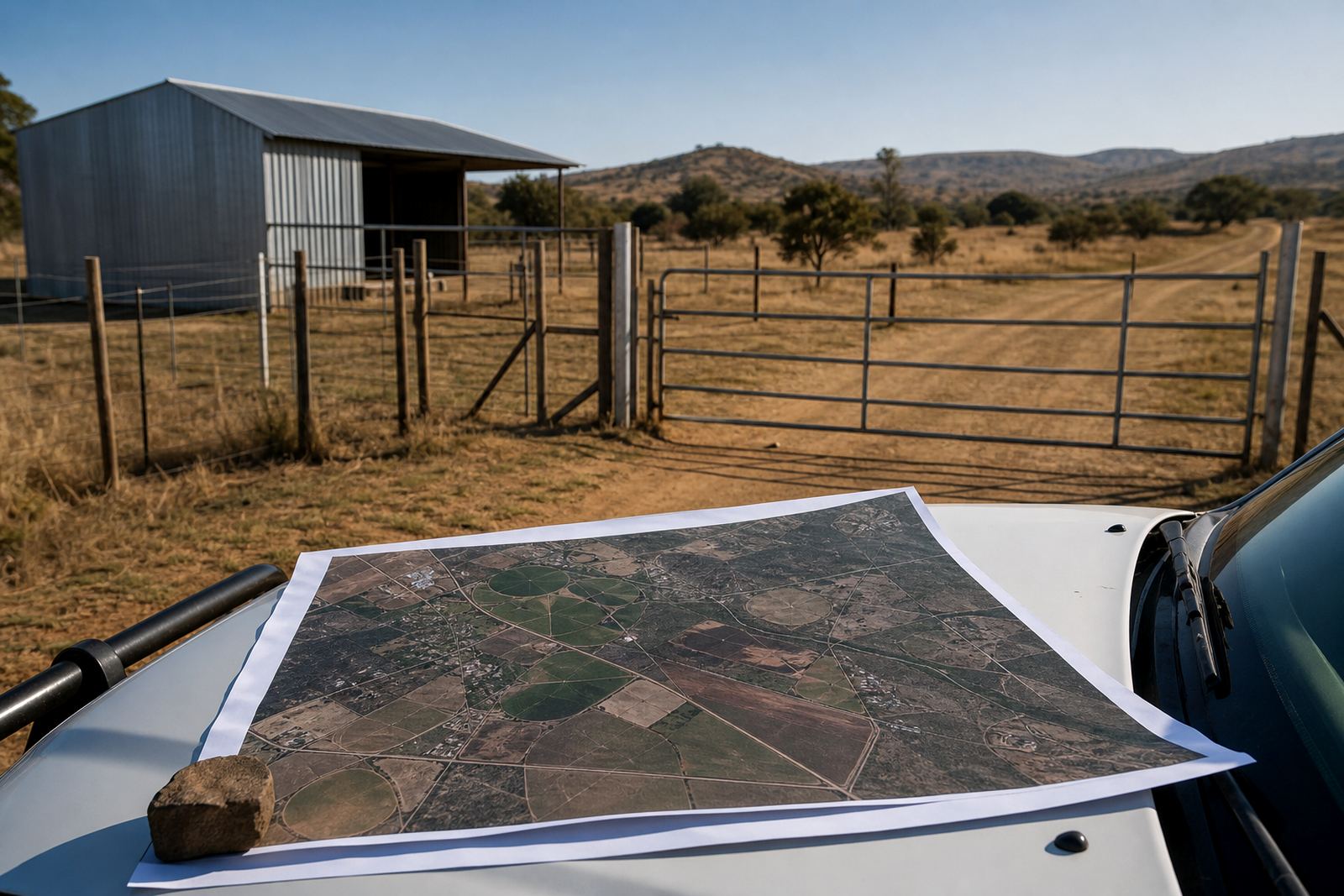
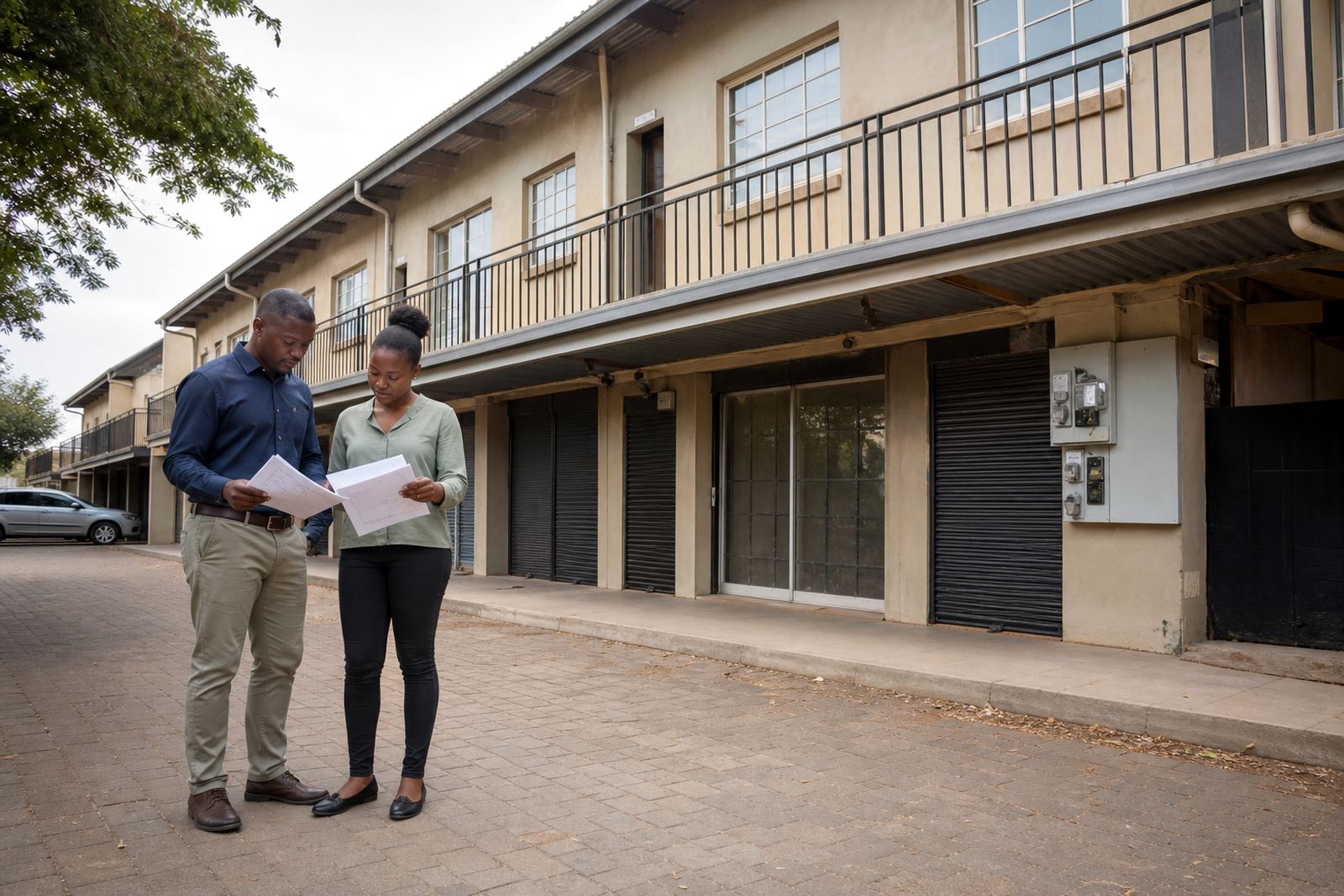
We started with ownership verification, title-linked searches and a review of available transaction documents. The building sat on a stand with a visible street frontage, shared access points, and a layout that depended on good tenant management. Mixed-use properties need careful reading because the rental stream can look strong while hidden gaps sit in the file, such as missing occupation notes, unsigned lease pages, or inconsistent unit descriptions. We matched the physical layout to the recorded use and checked that the reported lettable areas made sense against what was actually being occupied.
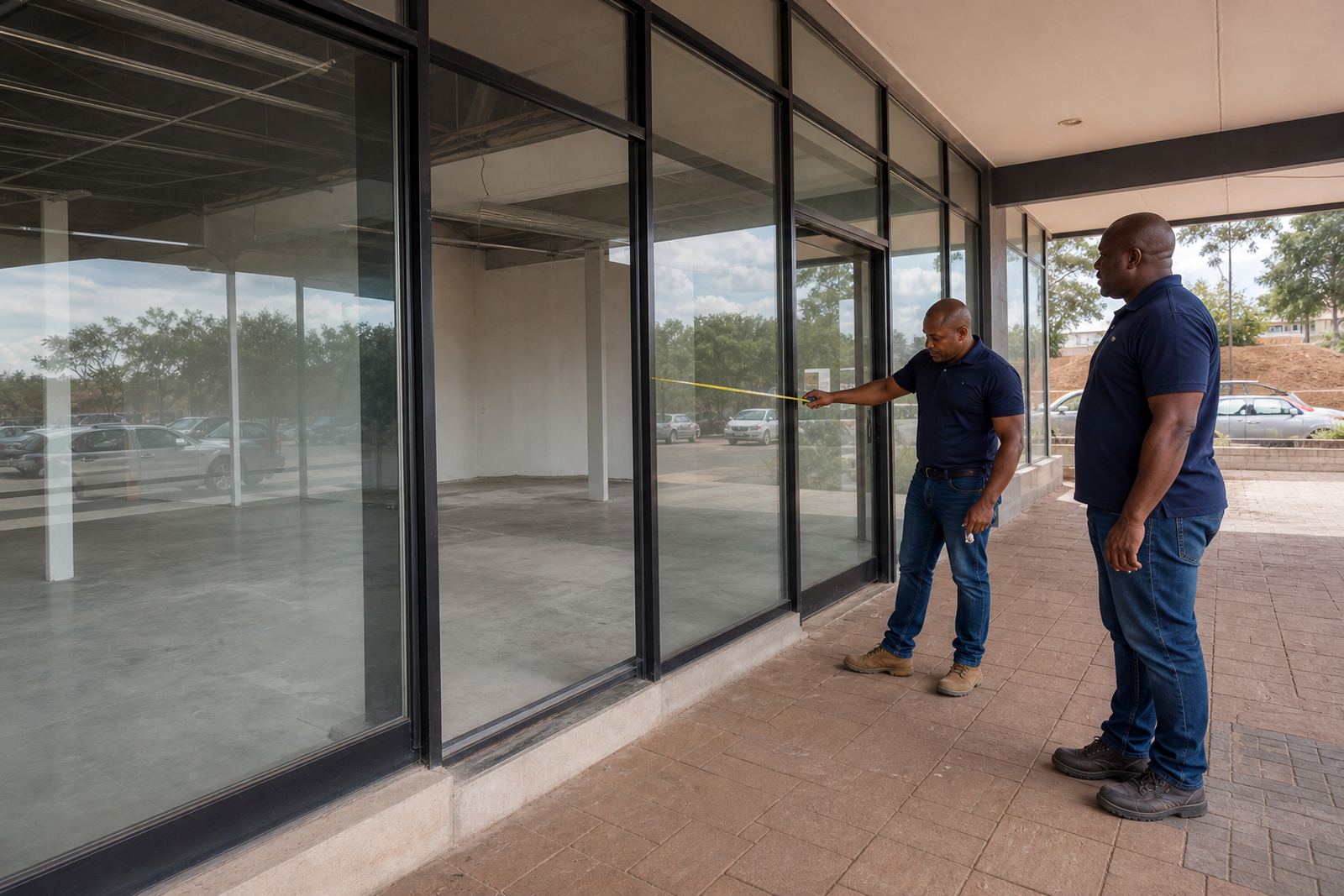
Field verification formed a large part of the review. Our team confirmed the external condition, signage, parking arrangement, access control, and the general upkeep of common areas. George has a relatively stable climate but the coastal air still affects paint, balustrades and roof fixings over time, so condition notes matter. We also checked for practical issues that can affect income collection such as load-shedding impacts on trading hours, shared services, and any signs that one tenant was carrying more than their fair share of the building burden.
- Ownership and deed-linked checks
- Site verification of occupancy and access
- Physical condition notes on roof, walls and common areas
- Comparison of measured use against stated lettable configuration
- Practical risk review for services, parking and tenant mix
Document review and income risk testing
The file included a rent roll, lease summary documents and supporting transaction papers, but not every item was complete. That is common enough, especially where more than one owner or manager has handled the property over time. We carried out a document gap review to identify what was present, what was missing, and what still needed to be confirmed before a buyer or lender could rely on the file. Where details were inconsistent, we flagged them for correction rather than treating them as settled facts.
We also ran adverse media and risk screening on the relevant parties involved in the transaction structure. The purpose was not to speculate, but to see whether there were open disputes, repeated compliance issues, or financial patterns that could affect the deal. On the property side, we tested the income assumptions against the likely operating realities for a mixed-use asset in George, including vacancy risk, tenant turnover, maintenance spend and the effect of any short lease periods. A building can look fully let one month and turn soft very quickly if the tenant mix is not balanced.
- Document gap review on leases, schedules and supporting papers
- Adverse media and credit risk screening where relevant
- Income assumption checks against occupancy and turnover risk
- Transaction file audit for consistency across documents
- Risk notes on maintenance, service exposure and lease expiry timing
How we packaged the report for the buyer and lender lens
We prepared the report so that it could be used by both a buyer and a funding party. That meant keeping the findings practical, not academic. Each section dealt with one question: who owns the asset, who occupies it, what the building actually is, what the records say, and where the risk sits. The client wanted something that could be used in a decision meeting, so we summarised the key issues early and kept the supporting detail clear enough for follow-up questions.
The final report included a plain-language risk summary, a property profile, a company background check where relevant to the deal structure, and notes on any items that should be corrected before transfer or finance approval. We also provided report customisation so the client could present the findings in a format suitable for internal investment discussion. In a mixed-use property review, the value is not only in finding problems, but in showing which issues are material and which ones are just admin noise.
- Clear risk summary for fast decision-making
- Property profile with verified occupation notes
- Company background input where ownership vehicles were involved
- Customised layout for investor and lender review
Timeline, findings, and the practical result
The project took 2 weeks from instruction to delivery. Week one covered record searches, ownership and company checks, and the first pass on the document file. Week two covered site verification, follow-up comparisons, final risk rating and report issue. That pace worked because the client was already serious about the asset and needed a firm answer before proceeding further.
The outcome was a cleaner view of the opportunity. The investor could see that the property did have income potential, but the practical picture was more complex than the headline yield suggested. A few record and occupation points needed correction, and the service and maintenance assumptions were tightened up. The client was able to compare the George building against other prospects in Pretoria and Johannesburg with proper facts rather than estimates. In the end, the report helped them decide whether the return justified the management effort and the risk load.
- Turnaround: 2 weeks
- Main result: Income case tested against real property risk
- Decision support: Clearer comparison with other investment options
- Practical value: Reduced uncertainty before commitment of funds
What we would do again on a similar mixed-use file
On a repeat project like this, we would keep the same approach: verify the title position first, confirm actual occupation before leaning on the rent roll, and spend enough time on the building itself to catch any mismatch between paper and reality. Mixed-use assets often carry more moving parts than single-use blocks, so we would again check the tenant mix, service exposure, and any pressure points around parking or common-area management.
For a similar file in George, Cape Town or Durban, we would also keep an eye on weather-driven wear, municipal compliance and the reliability of shared services. If the property has upper-floor units, we would always test access, evacuation routes and practical use during load-shedding. That sort of detail can change how a buyer prices the deal, and it can affect whether a lender sees the asset as dependable security or something that needs closer scrutiny.
- Confirm title, use, and occupation before relying on income figures
- Check tenant mix and lease timing against vacancy risk
- Inspect service exposure, access and common-area control
- Test the file against local compliance and maintenance realities
Key facts
| Project | George Mixed Use due diligence review |
|---|---|
| Town | George, Western Cape |
| Asset type | Mixed-use building with retail and upper-floor occupation |
| Client type | Private investor comparing acquisition options |
| Timeline | 2 weeks |
| Core checks | Ownership verification, occupancy checks, document gap review, adverse media research, transaction file audit |