














Buyers Want Clarity Before They Commit
Property buyers and business purchasers use these reports when they need more than a seller’s summary. If you are comparing a residential buy in Centurion, a commercial unit in Johannesburg, or a trading business in Cape Town, the aim is the same: find out what is sitting behind the price and whether the facts support the deal.
For buyers, the focus is usually on title, ownership, occupancy, financial pressure, and whether any red flags could affect transfer or handover. A clear report helps a buyer decide if the asking price is fair, if more conditions must be written into the offer, or if the transaction should pause until the gaps are explained.
- Ownership and deed checks
- Occupancy and site visit verification
- Document gap review before signature
- Adverse media and risk screening
Lenders Use Reports To Test Exposure
Banks, private lenders and credit providers use due-diligence reports to understand the risk before funds move. A loan backed by a company or a property needs more than a valuation or a standard credit screen. The lender wants to know who controls the asset, whether the papers match the asset, and what may affect repayment or recovery.
These reports are useful where a borrower is buying through a company, refinancing an asset, or borrowing against property in places like Pretoria, Sandton or Durban where transaction values can be high and timelines are tight. The report can flag director issues, missed filings, ownership mismatches and other matters that deserve follow up before approval.
- Credit risk screening for the borrower or related entity
- Director profile research and company background checks
- Transaction file audit for missing or inconsistent records
- Portfolio risk mapping for multiple exposures
Investors Need A Clearer Picture Of Control And Value
Investors often use these reports when they are buying a stake, funding expansion, or looking at a property holding company with more than one moving part. In that setting, the question is not only what the asset is worth, but who really controls it, how the paper trail looks, and whether the operational picture matches the pitch.
For local and cross province deals, a report can help an investor compare opportunities in Gauteng, the Western Cape or KwaZulu-Natal on a like for like basis. That matters when time is short and the numbers on the proposal look neat but the supporting records do not. A good report can save a lot of back and forth later on.
- Ownership verification for shareholders and beneficiaries
- Operational and financial risk review
- Report customisation for investment committees
Legal And Compliance Teams Use Them To Close Gaps
Legal teams, compliance officers and conveyancing professionals use due-diligence reports to check whether the file is ready to move. In South Africa, a transaction can stall because of one missing document, an unclear mandate, or a mismatch between what is in the file and what the other side is claiming. That can happen in a simple property sale or a more complex company transfer.
These users often need a report that is easy to cross-reference with internal notes and closing conditions. Around Report SA keeps the structure practical so the findings can be used in a file, a board pack, or a lending pack without extra rewriting. It is about confirming the facts and showing where more proof is still needed.
- Document gap review
- Ownership and director cross-checks
- Site visit verification and occupancy checks
Property Professionals Use It To Test The Story On Site
Estate agents, brokers, managing agents and property administrators use these reports when the story on the ground needs checking. A building may be occupied, but by whom? A seller may say the asset is income producing, but is the lease record current? In coastal towns humidity, maintenance history and vacancy patterns can all affect the true position.
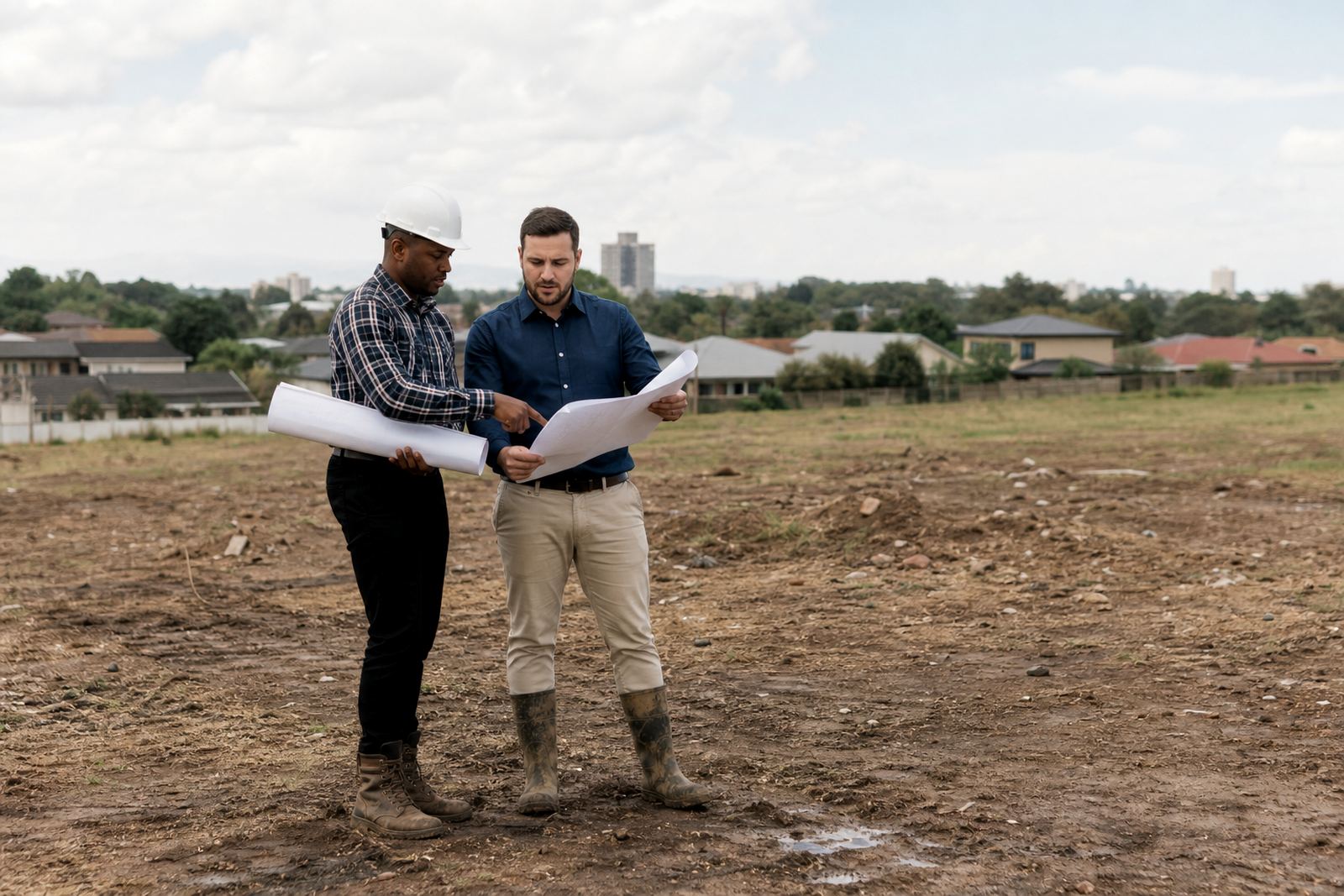
A field verification visit can confirm whether the property is being used as described and whether the records line up with what is visible on site. For a flat in Bloemfontein or a commercial site in Midrand, that practical check often gives the client a better starting point than relying only on paperwork.
Typical checks include:
- External site observations
- Occupancy status and activity notes
- Basic condition flags that may affect value or use
How To Choose The Right Scope For Your Case
The right report depends on the question you need answered. A buyer may need ownership verification and adverse media checks, while a lender may want a wider file audit and credit risk screening. Some clients only need a single property search. Others need a full set of checks across several assets or entities. We tailor the scope so you are not paying for work you do not need, and not missing the part that matters most.
If you are comparing company and property risk at the same time, it is often worth combining the checks into one organised report. That keeps the evidence in one place and makes the decision easier to justify later. Clients across Centurion, Pretoria, Johannesburg, Cape Town, Durban and Bloemfontein use this approach when the deal has more than one moving part.
Enquiries come through the contact page form, where clients can outline the transaction, the parties involved and the deadline. From there, the scope can be set to match the use case and the level of detail required.