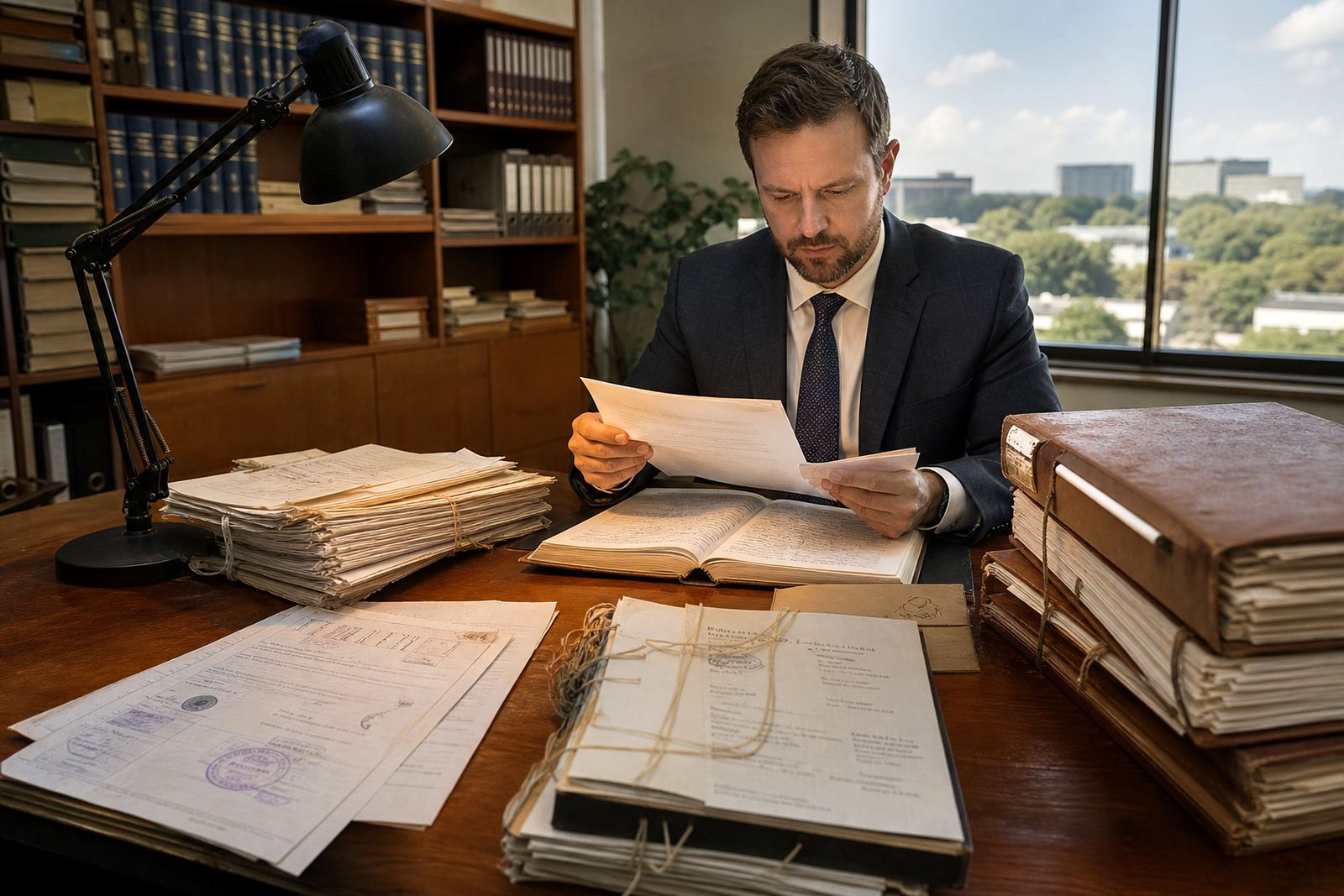
When a transfer file needs more than the title deed
Conveyancing teams are often brought in when a sale is already moving, but the details behind the property or the selling entity may still be messy. A deed search can show the basic record, yet it will not always flag missing company documents, a wrong signatory, an unoccupied site, or an owner profile that does not match the transaction instructions. That is where a due-diligence report helps. It gives the legal team a clearer starting point before clearance figures, transfer documents and undertakings are finalised.
We work with attorneys handling residential, commercial and mixed-use transfers across Centurion, Pretoria, Johannesburg, Sandton, Midrand, Cape Town, Durban and Bloemfontein. The report is useful where the buyer is cautious, the lender wants more detail, or the matter involves a company, close corporation or trust and the paper trail needs extra care. It helps reduce last-minute surprises and gives the file a proper risk view.
What legal teams usually want checked first
For conveyancing matters, the most useful information is the kind that confirms who owns the asset, who controls the selling entity and whether the property is being used as expected. Around Report SA can combine company background checks, property record searches, ownership verification and director profile research with site visit verification where needed. If the matter looks sensitive, we can also include adverse media research, credit risk screening and a transaction file audit.
- Ownership and signatory confirmation for the seller
- Property record search against the current transaction details
- Occupancy check to see if the building is occupied, vacant or partly let
- Site visit verification for access, use and general condition
- Document gap review for missing resolutions, IDs or supporting papers
In practice, this helps the attorney see whether the file is ready for drafting or whether there are issues that must be resolved before transfer steps continue.
Typical office setup for handling due-diligence reports
A conveyancing practice does not need a large setup to make use of these reports, but the process works better with a simple, orderly file system. Most teams keep a computer for file management, a scanner for signed documents, a printer for working copies and a secure storage method for the report pack. A second screen can help when comparing the seller details, property description and supporting documents side by side. With load-shedding still affecting many offices, a small backup power unit and reliable internet access are worth having so the team can keep working during interruptions.
For larger firms or busy transfer counters, it helps to assign one staff member to collect the client instructions and another to review the due-diligence report against the deed, FICA pack and sale agreement. That division keeps the file moving and prevents details from being missed when matters arrive in batches.
- Computer, scanner and printer
- Secure document storage and file naming discipline
- Backup power for short outages
- Stable internet for submitting enquiries and receiving reports
How to plan the report around the transfer timeline
The best time to order a due-diligence report is early, ideally once the mandate is clear and before the transfer pack is fully assembled. For a straightforward residential transfer, the report can support the first review of the file. For a company sale, sectional title unit or property with known occupancy questions, it is better to request the report before signatures are exchanged. That gives the attorney time to raise queries without delaying lodgement later.
In Gauteng, Cape Town and Durban, where timing can be tight and documents move between several role players, a clear report structure helps. Legal teams can use the findings to decide whether to request more proof of authority, additional company records or a fresh site check. It also helps if the buyer or lender wants a short summary for internal approval. Our report customisation service can format the findings to suit the way the firm works.
Common mistakes that slow the file
The most common mistake is treating a property file as if every transaction has the same risk profile. A clean-looking file can still hide an ownership mismatch, an outdated company record or a building that is partly occupied by people who are not on the agreement. Another issue is waiting until the last minute to order checks, which leaves no time for follow-up. Some teams also rely on one document alone and do not compare the title detail, seller profile and site findings together.
We also see problems where the file is not updated after a change in sale terms. If the property description changes, the seller entity changes or a lender adds extra conditions, the report should be reviewed again. A fresh check can be cheaper than fixing a transfer that has already stalled.
- Leaving ownership questions until just before lodgement
- Skipping occupancy or field verification where access is uncertain
- Using stale company documents
- Ignoring adverse media or credit risk indicators
- Not matching the report to the final transaction structure
Budget ranges that make sense for attorneys and lenders
Budget depends on the scope, the number of entities, the location and whether field work is needed. A basic company background or property record search may start from around R950 to R1 750. A more detailed report that includes ownership verification, director profile research and document gap review can sit between R1 850 and R3 900. Where site visit verification, occupancy checks, adverse media research or transaction file audit are added, budgets often range from about R4 200 to R8 500 depending on travel and the level of detail required.
For portfolios or repeated matters, many legal teams prefer a custom quote so the cost is aligned to the file type and turnaround time. That makes it easier to plan for standard transfers as well as more complex commercial work across South Africa.
What conveyancing attorneys can expect from our team
Our team works from Centurion and supports matters in Pretoria, Johannesburg, Sandton, Midrand, Cape Town, Durban and Bloemfontein. Mpho Sekgobela leads the business, with Naledi Mokoena handling property research, Johan van der Merwe on company analysis, Zanele Khumalo managing client service, Themba Ndlovu leading field verification, and Ayesha Ismail overseeing quality and compliance. That structure matters when a legal team needs answers that can be checked, explained and used in the file.
Clients reach us through the enquiry form on our contact page. From there, we confirm what needs to be checked, which report elements are relevant and whether the matter needs a standard assessment or a more detailed risk view. For conveyancing attorneys, the goal is simple: fewer surprises, cleaner preparation and a transfer file that is ready for the next step.