










How to choose the right report for the deal
Not every transaction needs the same level of checking. A company purchase, a property acquisition, or a lending decision each raises different questions, so the right report depends on what you need to confirm before money changes hands.
Use these guides to match the report to the risk. If you need to understand who owns a business, who controls it, and whether there are warning signs in the background then a company-focused report is usually the better starting point. If the matter is tied to a building, erf, or lease occupancy, the property route is more useful.
- Buying shares or assets in a business: start with company background checks and director profile research.
- Buying land, a house, or commercial premises: start with ownership verification and property record searches.
- Funding a transaction: add credit risk screening, transaction file audit, and portfolio risk mapping where needed.
What to prepare before you commission a report
The more accurate the starting information, the cleaner the report. Small errors in an entity name, title deed reference, or identity number can slow down the search and create avoidable follow-up questions.
For South African matters, it helps to have the full legal name, registration details, ID or passport number where relevant, property description, and any supporting agreements you already have. If the site is in a sectional title scheme or a managed estate, the complex name and unit number matter as much as the street address.
- Company name, registration number, and names of directors or members.
- Property description, erf number, unit number, or stand number.
- Copies of sale agreements, lease documents, clearance papers, or other supporting records.
Using company guides to reduce transaction risk
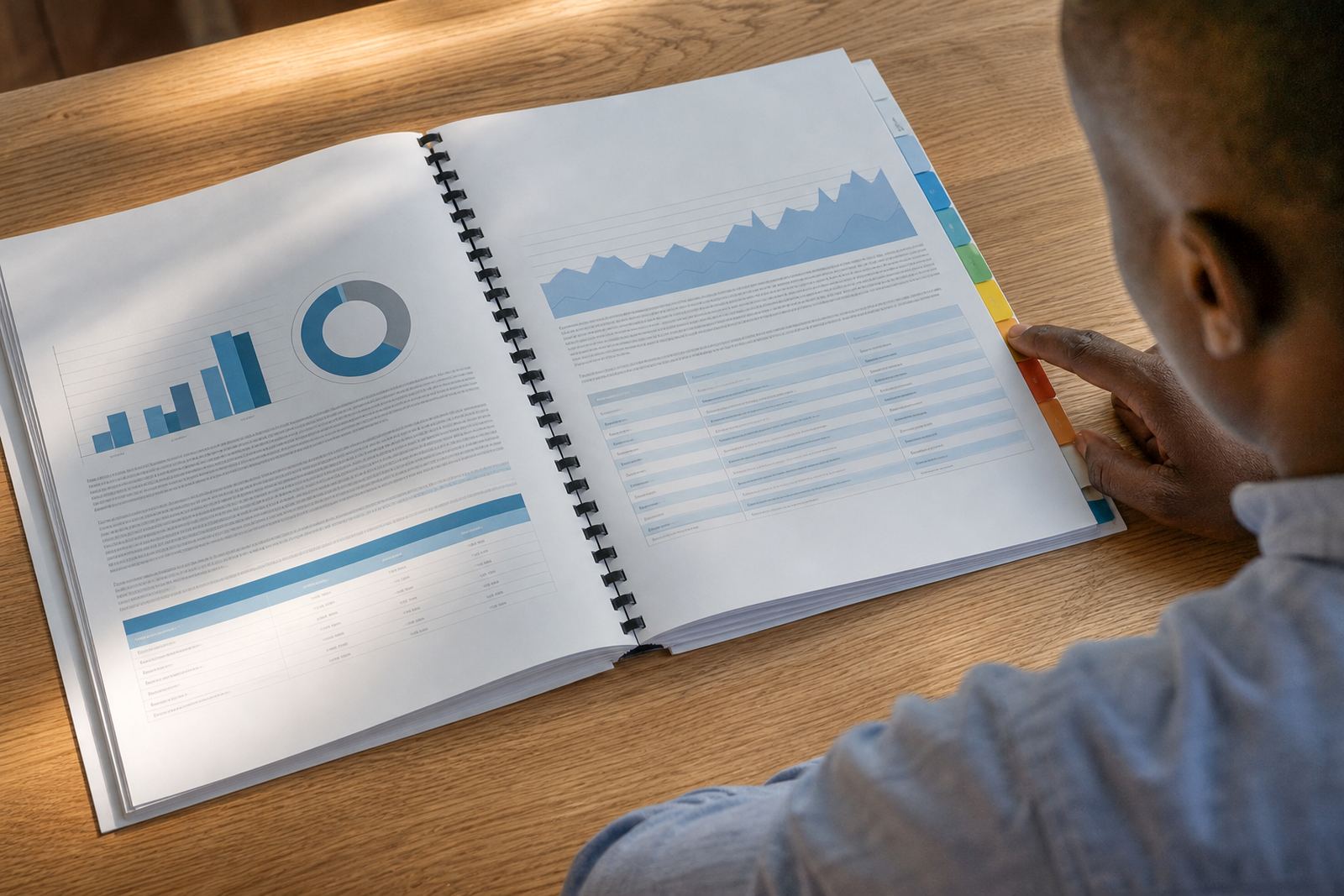
Our company guides explain the checks that matter before acquisition, lending, or supplier onboarding. They cover ownership, management, trading footprint, and any issues that may affect repayment, control, or continuity. This is useful for buyers in Pretoria, Johannesburg, Sandton and Midrand where transactions often move fast and assumptions can be costly.
We also explain how adverse media research and document gap review fit into the wider picture. A clean set of results does not only confirm who sits on the records, it also helps show whether the file is complete enough for a lender or purchaser to rely on.
- Company background checks for basic corporate context.
- Director profile research for decision-makers and signatories.
- Adverse media research where reputation or conduct needs a closer look.
- Transaction file audit where the paperwork must stand up to review.
Property guides for ownership, occupancy and site checks
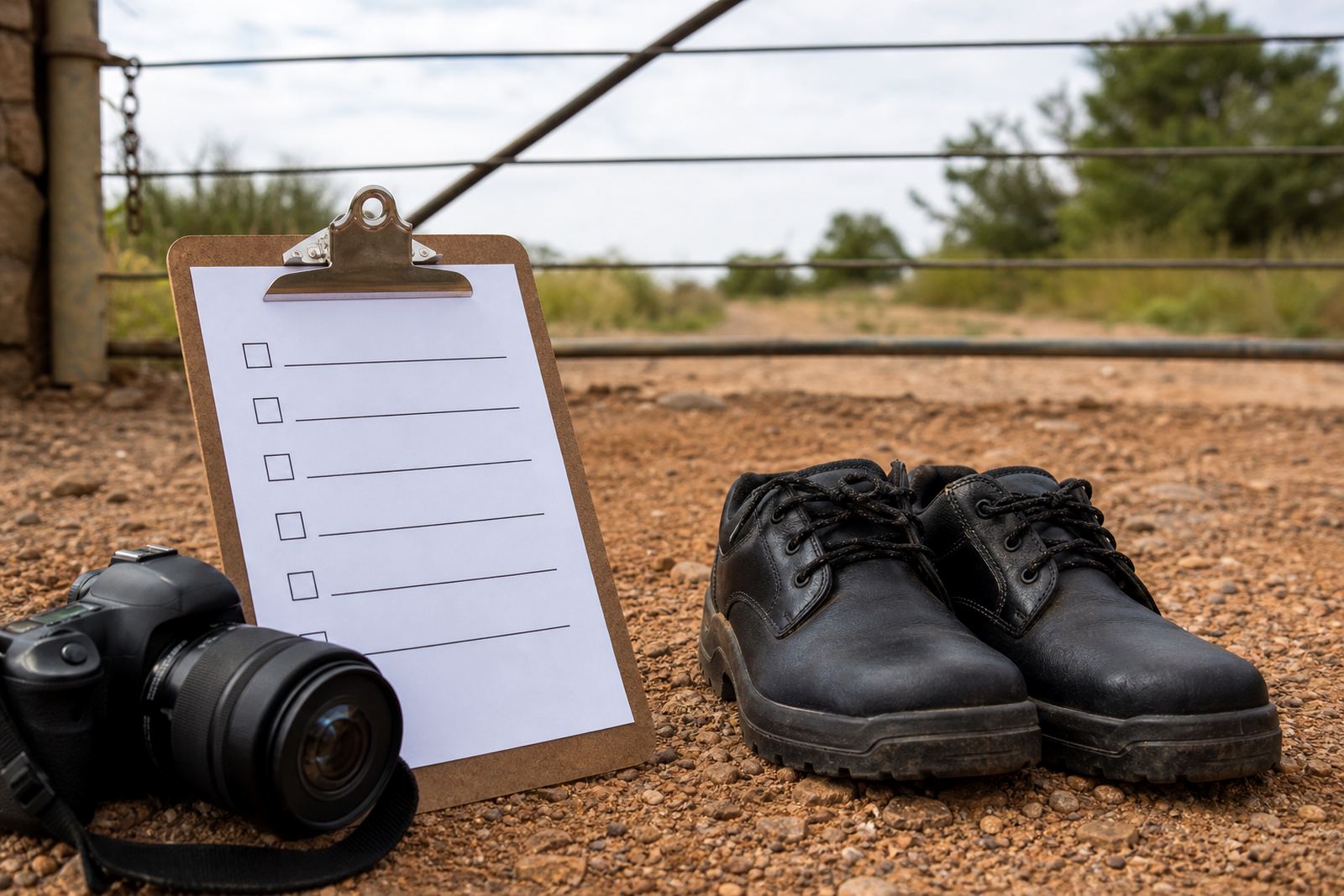
Property due diligence can be more involved than a simple deed check. The records must match the real world, especially where a building is occupied, rented out, or being transferred between parties who have never met face to face. Our property guides show how to confirm ownership, occupancy, and whether the property details line up with what the seller or borrower claims.
This is particularly important in Cape Town, Durban and Bloemfontein where mixed-use properties, sectional title units, and older records can bring extra questions. A site visit can also help when access is limited, the property looks vacant, or the municipal account trail needs checking.
- Ownership verification for title and control.
- Site visit verification for physical confirmation.
- Occupancy checks where tenants or occupiers are involved.
- Property record searches for reference against the formal record.
When lenders need a deeper risk view
Lenders often need more than a single report. They need a view of exposure, supporting evidence, and the quality of the file they are relying on. Our guides show when to combine screening steps so credit, ownership and operational questions are covered in one workflow.
That is where credit risk screening, portfolio risk mapping, and report customisation become useful. The aim is not to produce more paper than necessary, but to make sure the right decision-maker sees the right detail in a format they can actually use.
- Credit risk screening for repayment or exposure concerns.
- Portfolio risk mapping for multi-asset or multi-borrower review.
- Report customisation where a bank, funder, or purchaser needs a specific format.
How these guides help you move faster
Good due diligence is usually a matter of preparation, not drama. When clients know which report to request and what information to gather first, we can move quicker through verification and reduce back-and-forth. That matters whether the matter is based in Centurion or spread across Pretoria, Johannesburg, Cape Town, Durban and Bloemfontein.
These guides are written to make commissioning simpler, faster and more useful. They help you decide what to check, what to supply, and where the likely weak points are before the report is issued.
For buyers and lenders, that usually means fewer gaps, clearer decisions, and less last-minute confusion.