





























What the journal covers for South African transactions
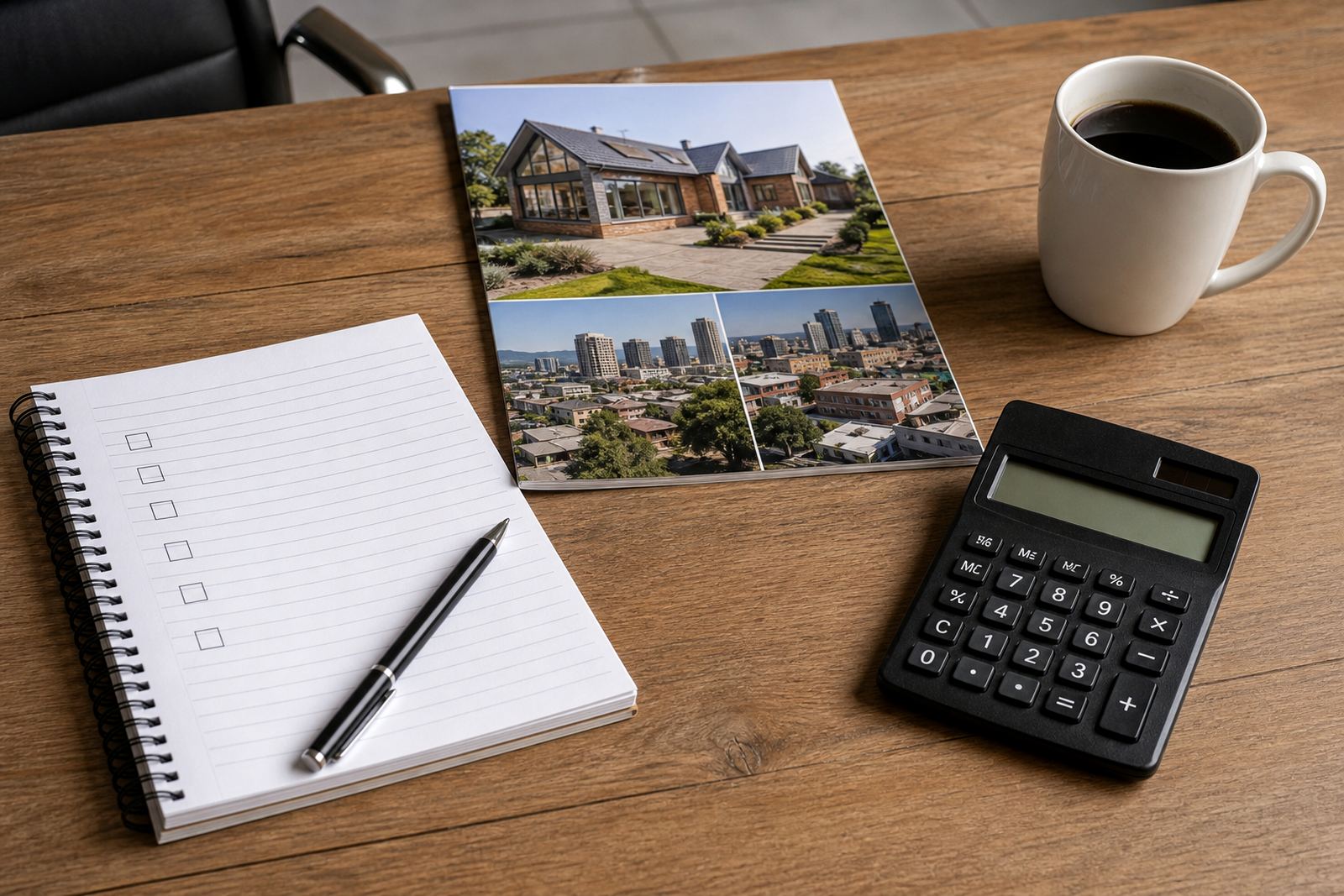
Our journal is written for people who need clear answers before a purchase, funding decision or portfolio review. The focus is on company and property due-diligence in South Africa, with articles that deal with ownership, records, occupancy, site checks, risk flags and the paperwork that can slow a transaction down.
Whether you are dealing with a single property in Pretoria or a mixed portfolio with assets in Johannesburg, Durban and Cape Town, the point is the same: know what you are buying or financing. A quick overview is useful, but the real value sits in the details, such as title information, director links, document gaps and any signs of trading trouble.
Each article is meant to help you compare your options without wasting time on vague theory. You can use the journal to work out which checks are essential, which are optional, and where a fuller report makes sense for the value and risk of the deal.
How to choose the right article for your deal
Not every transaction needs the same level of review. A straightforward company check may suit an early-stage screen, while a lender looking at security over a property will usually need a wider set of checks that includes ownership verification, occupancy and site visit work. The best starting point is the question you need answered first.
- If you need to confirm who owns what, start with ownership and record searches.
- If you need to judge trading risk, look at company background checks and director profile research.
- If you are funding property, read the pieces on occupancy checks, site verification and document gap review.
- If the file has missing papers or old information, go straight to transaction file audit guidance.
For deals in Centurion, Sandton or Midrand, speed often matters as much as detail. In coastal areas like Durban or Cape Town, moisture, maintenance and occupation status can carry extra weight. The journal helps you decide what to ask for before the file reaches final review, so you do not end up chasing basics at the last minute.
Company risk topics buyers and lenders should not skip
Company due-diligence is about more than a registration number and a credit score. A proper view of risk looks at who controls the business, whether the story in the paperwork matches the trading position, and whether there are warning signs hidden in adverse media, supplier disputes or a patchy document trail.
Our company-focused articles cover practical checks that support better lending and acquisition decisions. They are useful when the counterparty is small and owner-managed, but just as important in larger deals where decisions are made through several layers of sign-off. It is easy to miss a link between directors, related entities and previous failed transactions if no one is mapping the connections properly.
- Company background checks for basic profile and history review
- Director profile research to understand control and links
- Adverse media research for public warning signs
- Credit risk screening for repayment and exposure issues
- Portfolio risk mapping for grouped or repeated exposures
Property checks that support cleaner transfers
Property deals can look neat on paper while the practical side tells a different story. The journal explains why record searches, ownership checks and on-the-ground verification matter when the asset is being bought, financed or added to a portfolio. A title record can show one picture while a site visit shows another, especially where occupation has changed or access is limited.
In South Africa, this matters in both urban and peri-urban areas. Municipal billing issues, unapproved changes, vacant occupation and incomplete handover files can all slow a transaction. Our property articles focus on what to check, where issues usually show up, and how to avoid surprises when a lender or buyer needs a firm view before proceeding. It saves time and can prevent a deal from stalling over a missing document or an unresolved occupancy issue.
Using field verification to test what the file says
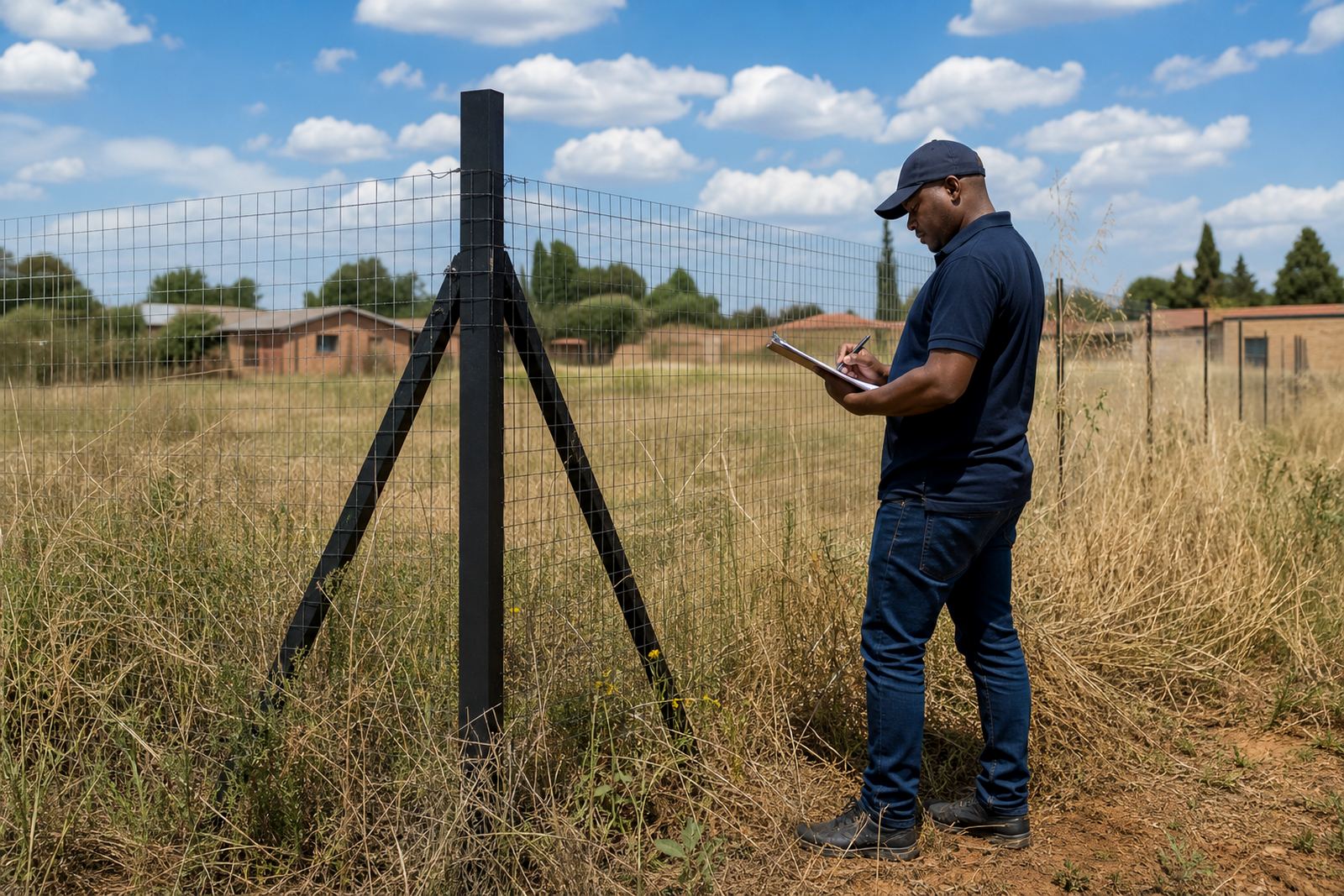
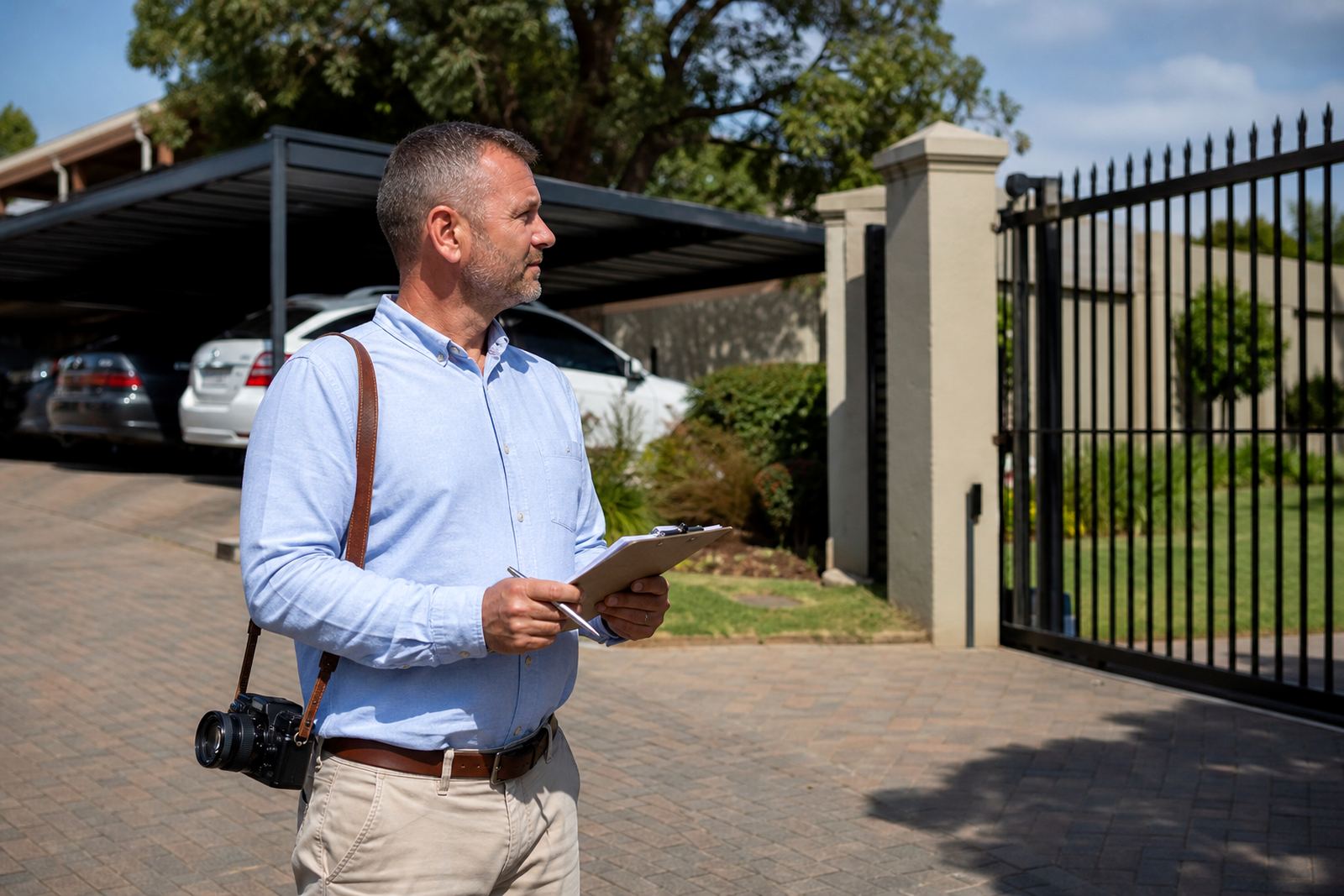
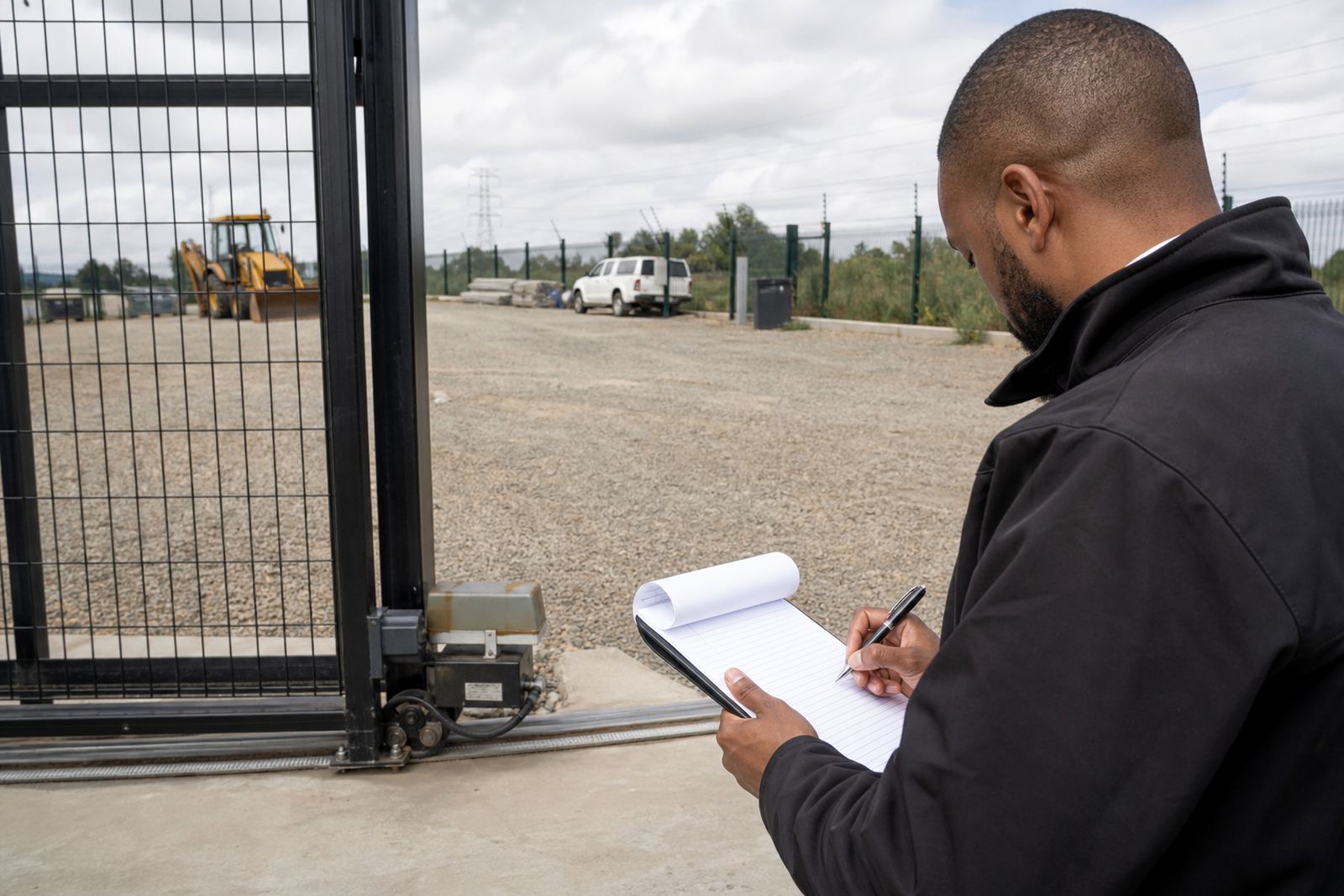
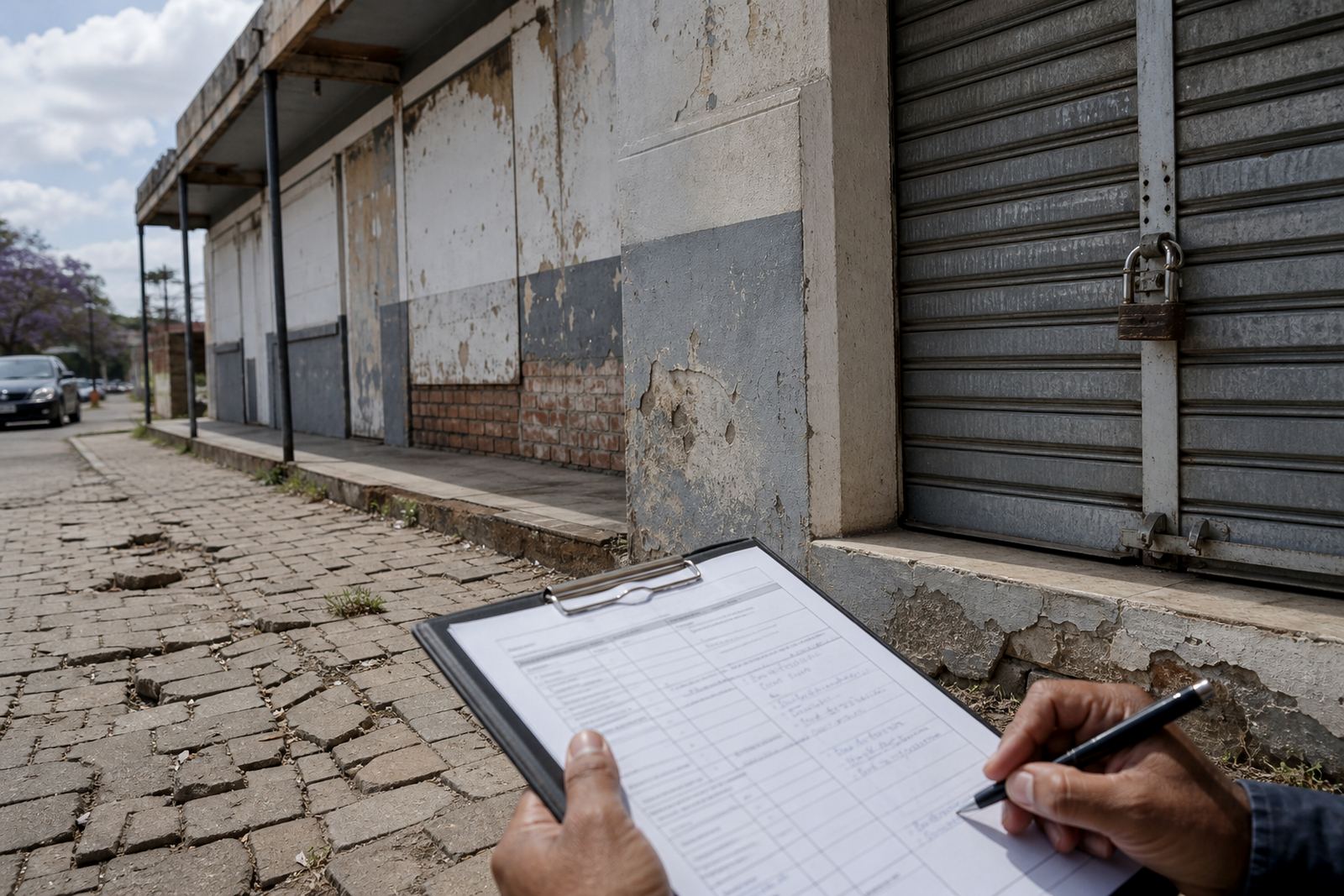
Paper records are useful, but they do not always match the real-world position. Field verification helps confirm whether a property is occupied, whether the address is active, and whether the people in the file match the people on site. For lenders and buyers, that extra step often answers the question that the file alone cannot.
We also use this stage to test practical issues that affect completion. Is the building accessible during working hours? Is there evidence of trading at the stated address? Are there signs that the premises are empty, partly occupied or used differently from what was disclosed? These checks are important in places where units are let out, share use is common, or the asset sits in an area with changing activity.
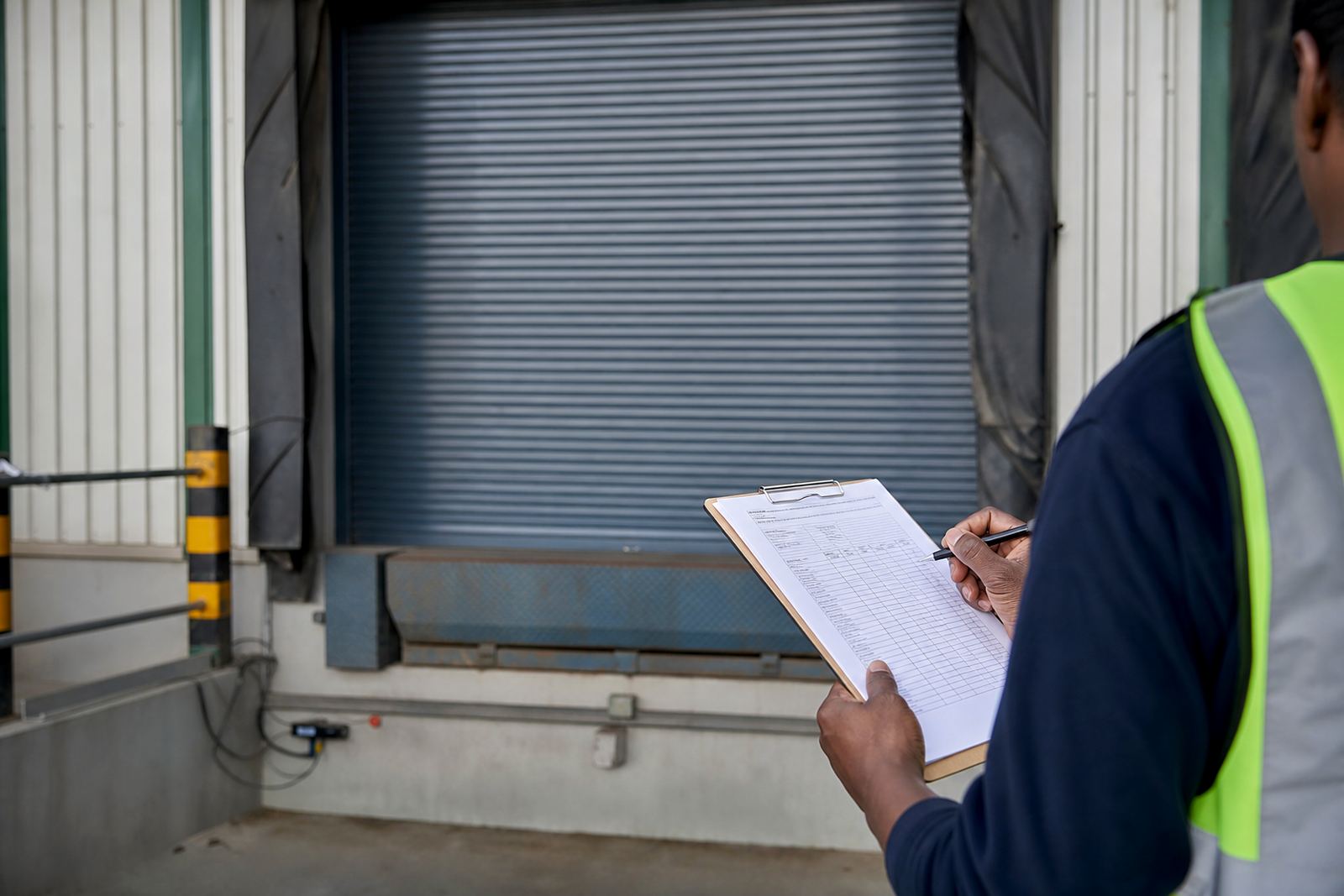
- Occupancy checks for leased or owner-occupied premises
- Site visit verification for address and trading confirmation
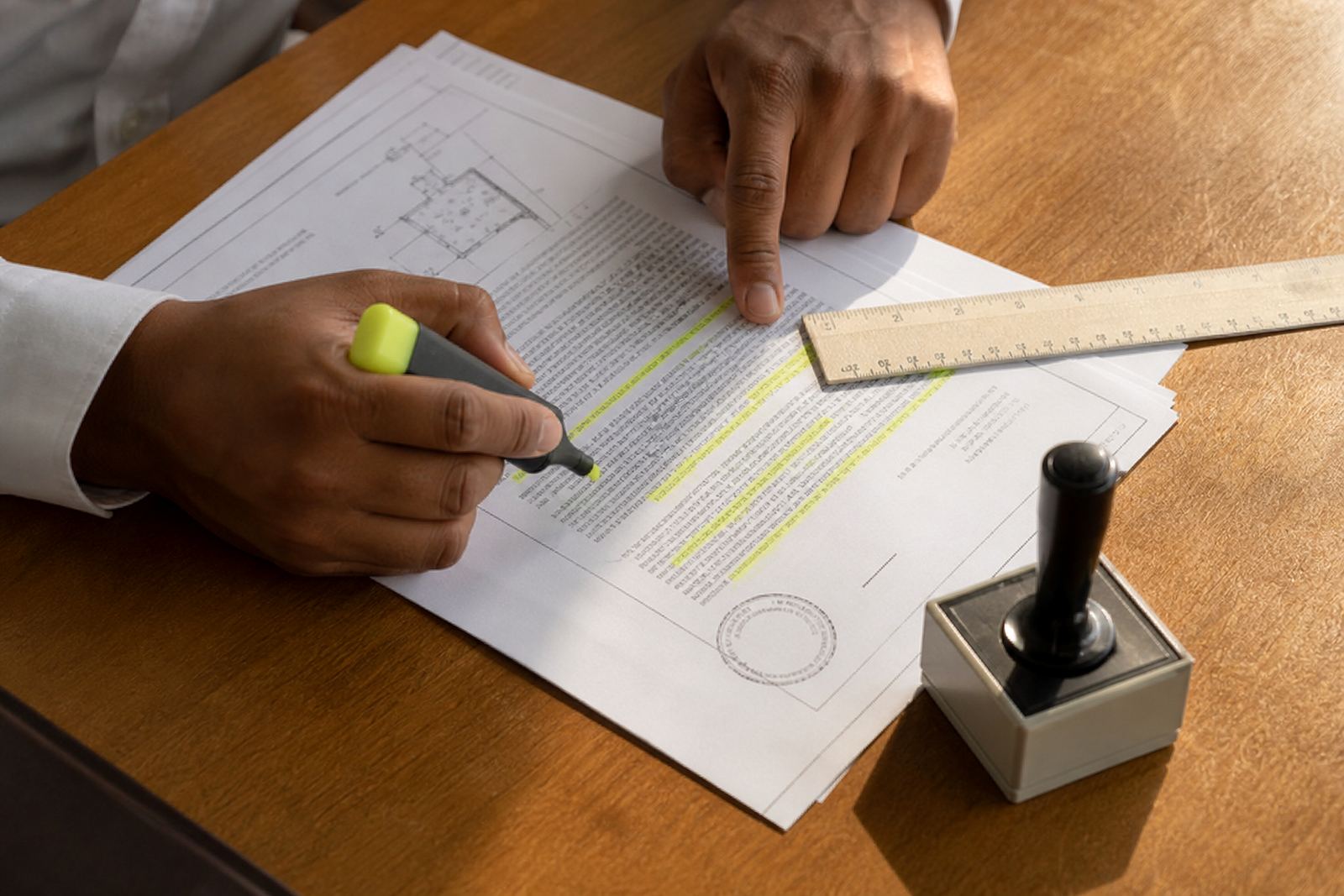
- Document gap review to identify missing support papers
- Transaction file audit to test the full pack before approval
How advisors can use the journal in busy deal flow
Advisors often need a quick way to brief clients without overloading them. The journal gives a simple route through the process, from first risk screen to deeper review. It is especially useful when a deal involves several parties, a tight deadline or an asset spread across more than one town.
If you are advising a buyer, lender or board, the articles can help you set expectations early. That means fewer last-minute queries, fewer gaps in the file and fewer delays when a decision is already on the table. For teams working across Pretoria, Johannesburg, Bloemfontein and beyond, that kind of clarity makes the process easier to manage, even when the work is moving quickly and power cuts or load-shedding have slowed responses elsewhere. The aim is simple: better questions at the start, cleaner decisions at the end.