
Why retail due diligence starts with the tenants
When you buy retail property, you are not only buying walls and roof space. You are buying the income pattern inside the centre, strip or standalone shop, and that pattern can change quickly if the tenant mix is weak or the leases are loose. A property with full occupancy can still carry risk if one anchor tenant is carrying too much of the rental roll or if several smaller tenants are near expiry.
We look at the trading profile around the property and the names on the rent roll, then compare that with what is actually on site. In Centurion, Pretoria and Johannesburg, a centre may appear stable because the parking is full at lunch time, but that does not mean the same customers are returning after 4 pm. That matters for lenders and buyers alike because retail income depends on foot traffic, visibility and the kind of businesses that can survive in that node.
Our company and property due-diligence reports help test the basics early, before you pay for legal work, deposit funds or rely on a seller's summary alone. That saves time and often saves a deal from turning into a costly lesson.
Reading tenant mix beyond the rent roll
A healthy mix is not just about having many tenants. It is about balance, resilience and how each business supports the others. A small grocer may draw daily traffic, while a pharmacy, take-away or ATM point can lift repeat visits. Too many similar tenants can create direct competition inside the same property and weaken turnover when local spending slows.
We assess whether the mix suits the catchment area, road access and nearby competition. In a Durban site near a busy commuter route, food and convenience tenants may perform well, while in Bloemfontein a larger format with medical, service and value retail may suit the area better. The question is simple: does the tenant mix match the people who pass the site every day, or is it a hope-led mix assembled years ago?
- Check if any single tenant makes up too much of the income.
- Review expiry dates, options and break clauses, not just current occupancy.
- Look for duplicated uses that may cannibalise each other.
- Compare the current mix with the surrounding demographics and traffic flow.
That review often shows whether a property can hold its income during a weak trading cycle or whether one vacancy could knock the whole scheme off balance.
Visibility and access are worth real money
Retail space can lose value fast if drivers cannot see it in time or cannot enter and leave safely. On a busy Gauteng corridor, a site with poor turning movement, hidden signage or awkward access can struggle no matter how neat the shopfront looks. The same applies at coastal properties where weather, salt air and faded exterior finishes can affect the first impression sooner than buyers expect.
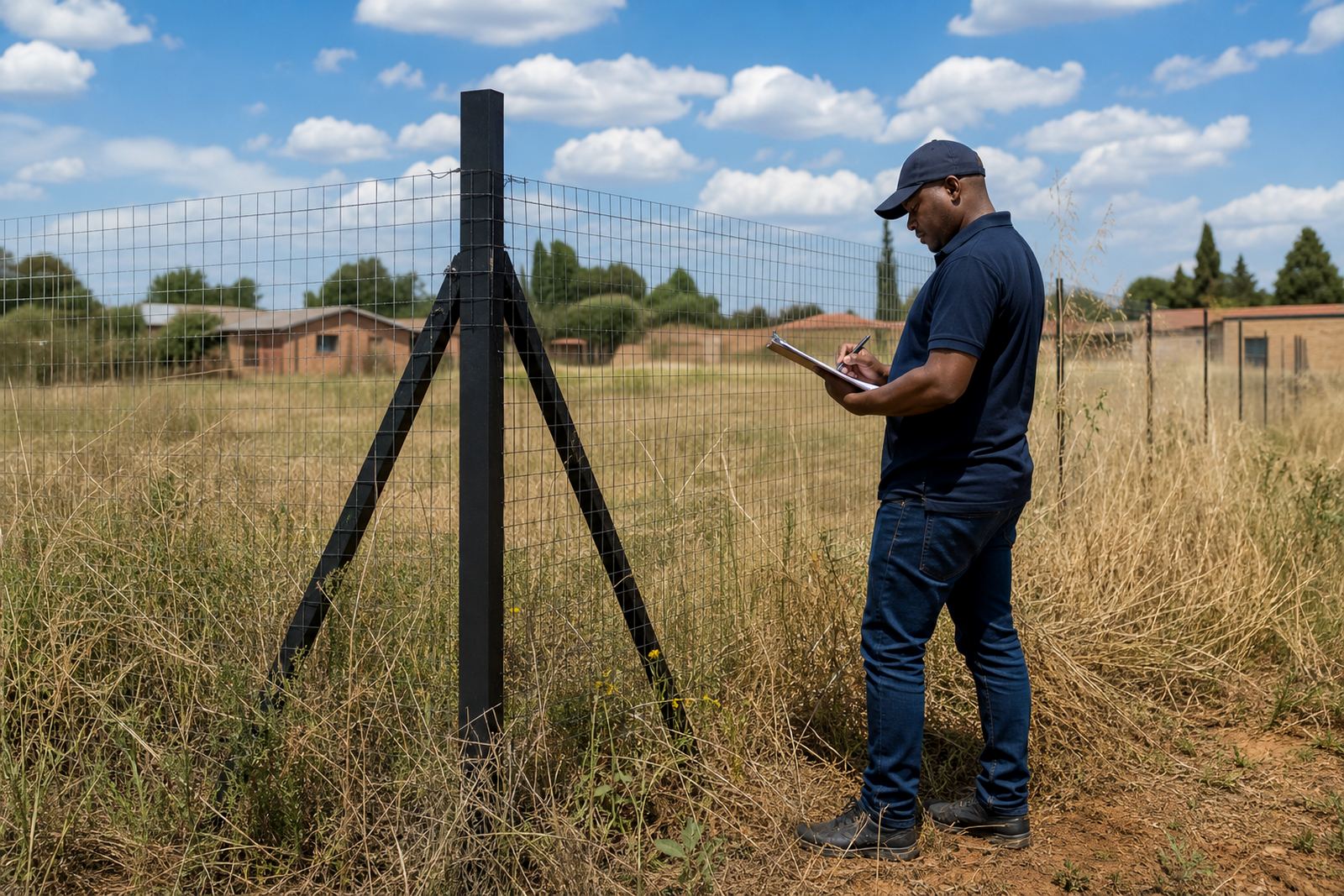
Our site verification looks at practical issues that affect trade. We check whether the property is visible from the main road, whether turning bays are workable, and whether loading, parking and pedestrian access make sense for daily trading. In some centres the best shop is the one closest to the entrance, while in others a corner unit has the strongest exposure. There is no one-size-fits-all answer.
We also consider surrounding roadworks, municipal changes and traffic patterns. A tenant may be trading well today but if a new road barrier, public transport route or neighbouring development alters access, the future value can change quickly. These are the sorts of details that are easy to miss in a selling pack but difficult to ignore after transfer.
Vacancy risk hides in plain sight
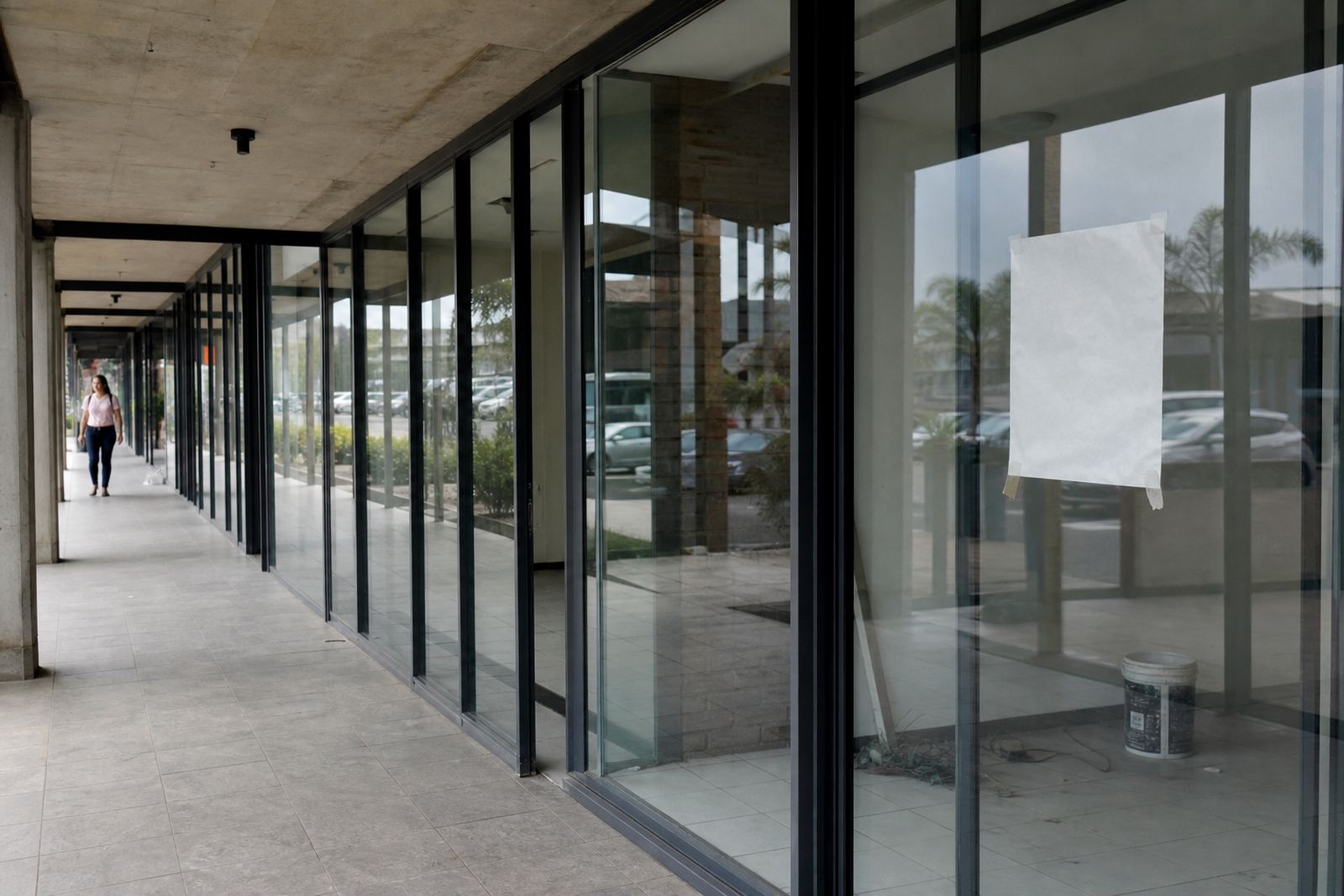
Vacancy risk is not only the current empty shop. It also includes the spaces that look occupied but are carrying weak leases, low footfall or unresolved arrears. A centre can show acceptable occupancy on paper while several tenants are already under strain. In that case the next six to twelve months may tell a very different story.
We review occupation, document gaps and available supporting records to see whether the property file is complete. If lease copies are missing, if rent escalations are unclear or if occupation does not match the listed tenants, that needs attention. A clean-looking statement is not enough when you are buying or lending against retail income.
- Occupancy checks help confirm who is actually trading from the premises.
- Document gap review shows where the file is incomplete.
- Site visit verification can reveal boarded shops, subletting or unlisted changes.
- Adverse media research may flag disputes, closures or reputational issues linked to a tenant.
For lenders, this matters because vacancy can shift repayment risk. For buyers, it matters because the purchase price often reflects an income stream that may not be as secure as it first appears.
A local example from Centurion and the Pretoria edge
Consider a small retail centre in the Centurion corridor with a mix of takeaway, hair care, services and a convenience tenant. At first glance the numbers may look solid. But if the convenience tenant holds the bulk of turnover, the service tenants have short lease periods and the parking is tight at peak times, the risk profile is less comfortable than the asking price suggests.
In one review, the property also had partial signage facing the road, and the main entrance was difficult to spot for first-time visitors coming from Pretoria. The site worked for regulars, but new customers had to slow down and circle back. That is a real trading issue, not a minor cosmetic point.
Once we compared the lease terms, occupation and surrounding activity, the picture changed. The asset was not unsound, but the buyer needed a lower price and a stronger plan for tenant retention. That is the value of proper retail checks: they do not only identify problems, they help shape the right deal structure.
What buyers and lenders should ask before transfer
Before you commit, ask whether the property can continue to trade if one key tenant leaves, whether the access works for daily customers and whether the leases support the income claimed by the seller. If the answer depends on hope, the deal needs more work.
Our retail property checks bring together property record searches, ownership verification, occupancy checks, site visit verification and transaction file audit work. We also look at director and company profiles where a tenant or owner entity needs a closer look. The aim is to give you a practical picture of the asset, not just a neat summary.
For buyers in Cape Town, Durban, Bloemfontein and across Gauteng, that means fewer surprises after transfer and more confidence when pricing the deal. For lenders, it means a clearer view of income reliability and vacancy exposure before funds go out.
If you need a retail due-diligence report with clear findings and local context, our team in Centurion works across South Africa and prepares reports for buyers and lenders who need straight answers.