
Why Empty Land Still Needs A Full Risk Check
Vacant land often gives buyers a false sense of certainty. There is no tenant to deal with, no roof to inspect, and no machinery to test, so the risk feels low at first glance. In practice, undeveloped land can hide planning restrictions, road access problems, servitudes, water limits and unpaid municipal issues that only show up once the deal is already moving.
For buyers and lenders, the main question is not whether the land is empty. It is whether the land can be used the way the transaction assumes. A stand that looks ideal in a viewing may still be tied up by agricultural zoning, a pipeline servitude, or a road reserve that cuts into the buildable area. That is where a proper due diligence report matters.
- Check the title and diagram before relying on any seller summary.
- Confirm zoning and land use rights with the local municipality.
- Review access, services and any registered restrictions early.
Title Deed Issues That Can Change The Deal
The title deed is the first place to look, because it sets out what the owner can and cannot do with the land. On vacant sites, restrictions are sometimes ignored until a buyer asks for transfer or finance. If there is a servitude, a right of way, or a condition that limits development, the plot may be worth far less than expected. I have seen buyers assume a full boundary line only to find the usable footprint is smaller once the registered records are checked.
Another common issue is ownership mismatch. The person marketing the land may not be the registered owner, or there may be multiple owners who all need to sign. Estate land can also take time to clear if the succession process is incomplete. These are not small admin points. They can stop a transaction cold.
- Confirm the registered owner and how many parties must sign.
- Look for servitudes, building lines and road reservations.
- Check for any unpaid rates, levies or legal notes tied to the erf or farm portion.
Zoning, Land Use And Municipal Rules Can Limit What You Build
Vacant land is only useful if the intended use is allowed. A buyer might want to build homes, storage yards or a small business site, but the municipality may allow only agricultural, residential or limited mixed use. In Gauteng, especially around Centurion, Pretoria and Midrand, zoning changes can take time and may need public participation. In Cape Town or Durban, coastal and environmental controls can add another layer of approval.
Municipal records should be checked early, not after the deposit is paid. If the land falls within a special planning area, flood line, heritage overlay or environmentally sensitive zone, the conditions may affect density, setbacks or the size of the footprint. That matters just as much as the asking price.
A practical due diligence review should include whether services can be connected at a reasonable cost. A stand that still needs a long sewer line, new water connection or upgraded power supply can become expensive very quickly, especially where load-shedding has already pushed buyers to plan for backup power. On some sites, the municipality may also require extra stormwater measures or road upgrades before any approval is issued.
Access, Services And Physical Constraints On Site
One of the biggest hidden risks on vacant land is simple access. A buyer may think the land fronts a public road, but the legal access may depend on a narrow servitude, a shared driveway, or a road that is not yet proclaimed. Without proper access, finance can be difficult and future development can stall. The same applies to construction access if trucks, cranes or earthmoving equipment cannot enter safely.
Physical constraints also matter. Some sites sit on steep ground, wet soil or fill material that increases building costs. In coastal towns, moisture, salt air and drainage issues can affect foundations and utility runs. Inland, clay soils and seasonal water movement can also create problems. These are the details that do not show up in a glossy advert but can change the budget by a large margin.
- Confirm legal and practical vehicle access to the site.
- Check whether water, sewer, power and stormwater can be connected.
- Ask about soil conditions, slope, flood risk and any known ground stability issues.
The Local Example: A Plot That Looked Ready But Was Not
Consider a buyer looking at a vacant stand outside Pretoria with plans to build rental units. The land appeared clean, the price looked fair, and the seller said services were nearby. A due diligence review found that the erf was affected by a servitude for underground services, the zoning allowed only one dwelling, and the water connection needed additional municipal approval. The buyer had also been told that access was direct from a public road, but the legal access passed over a separate portion not included in the sale.
That one review changed the deal. Instead of buying a site that could be developed straight away, the buyer either had to renegotiate the price or walk away. It is better to find those issues before transfer than after plans, deposits and consultant fees have already been spent. Small typo aside, that kind of problem is common enough to justify a proper check every time.
For lenders, the same example matters for security value. If the land cannot be developed as expected, the resale value can fall quickly. A lender needs confidence that the security is real, not just a bare piece of ground with unresolved constraints.
What A Proper Due Diligence Report Should Cover
A vacant land report should not be a short summary with a few copied records. It should bring together ownership, title conditions, property use, physical verification and transaction risk in one place. For buyers and lenders, that means fewer surprises and a clearer picture of what the land is actually worth and usable for.
At Around Report SA, our company and property due diligence work for South African transactions is built around practical checks that matter on the ground. From Centurion, Gauteng, we prepare reports for clients in Pretoria, Johannesburg, Sandton, Midrand, Cape Town, Durban and Bloemfontein. Our team includes property research, company analysis, field verification and compliance support, so the report reflects both the records and the site itself.
- Ownership verification and title record review.
- Zoning, servitude and land use checks.
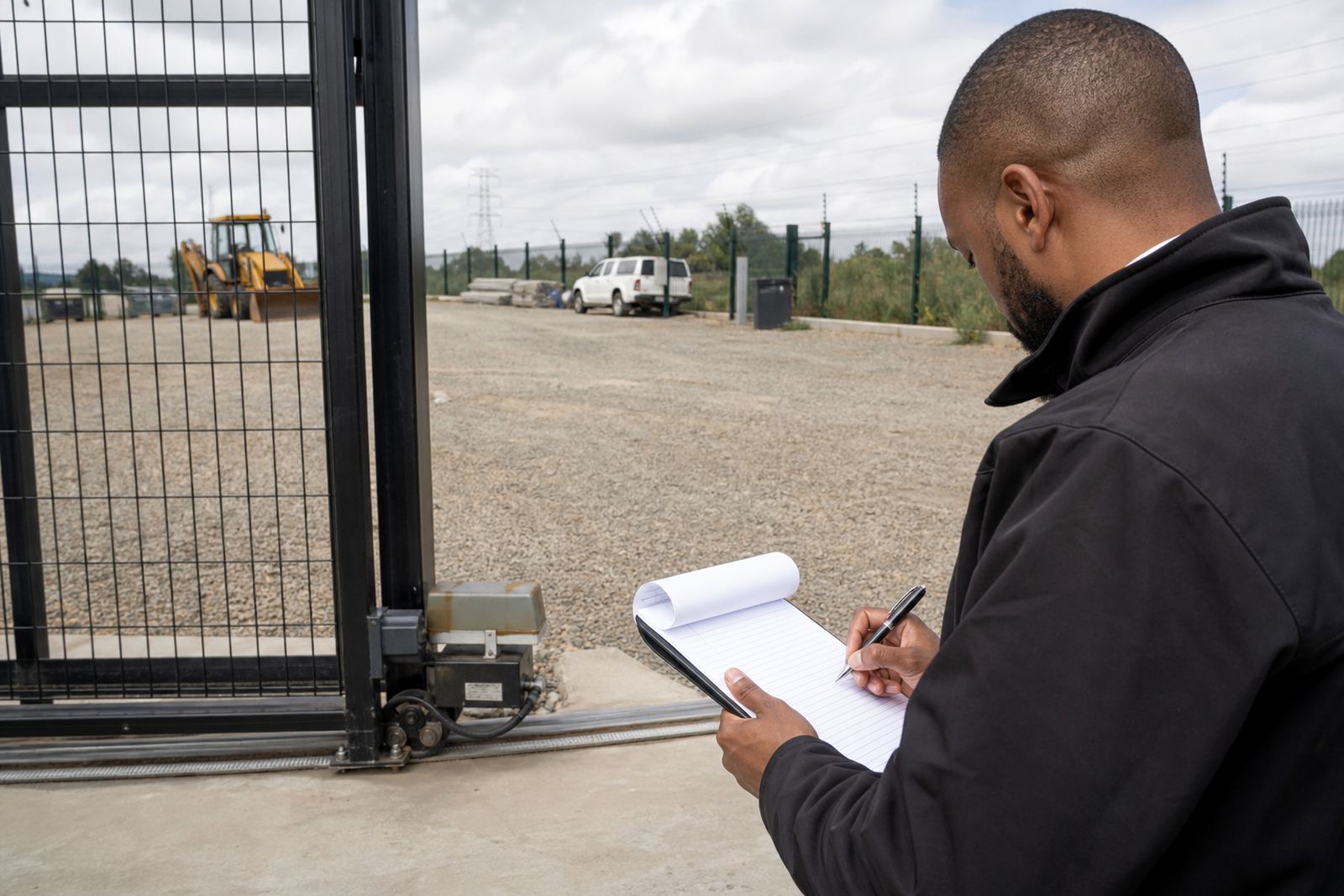
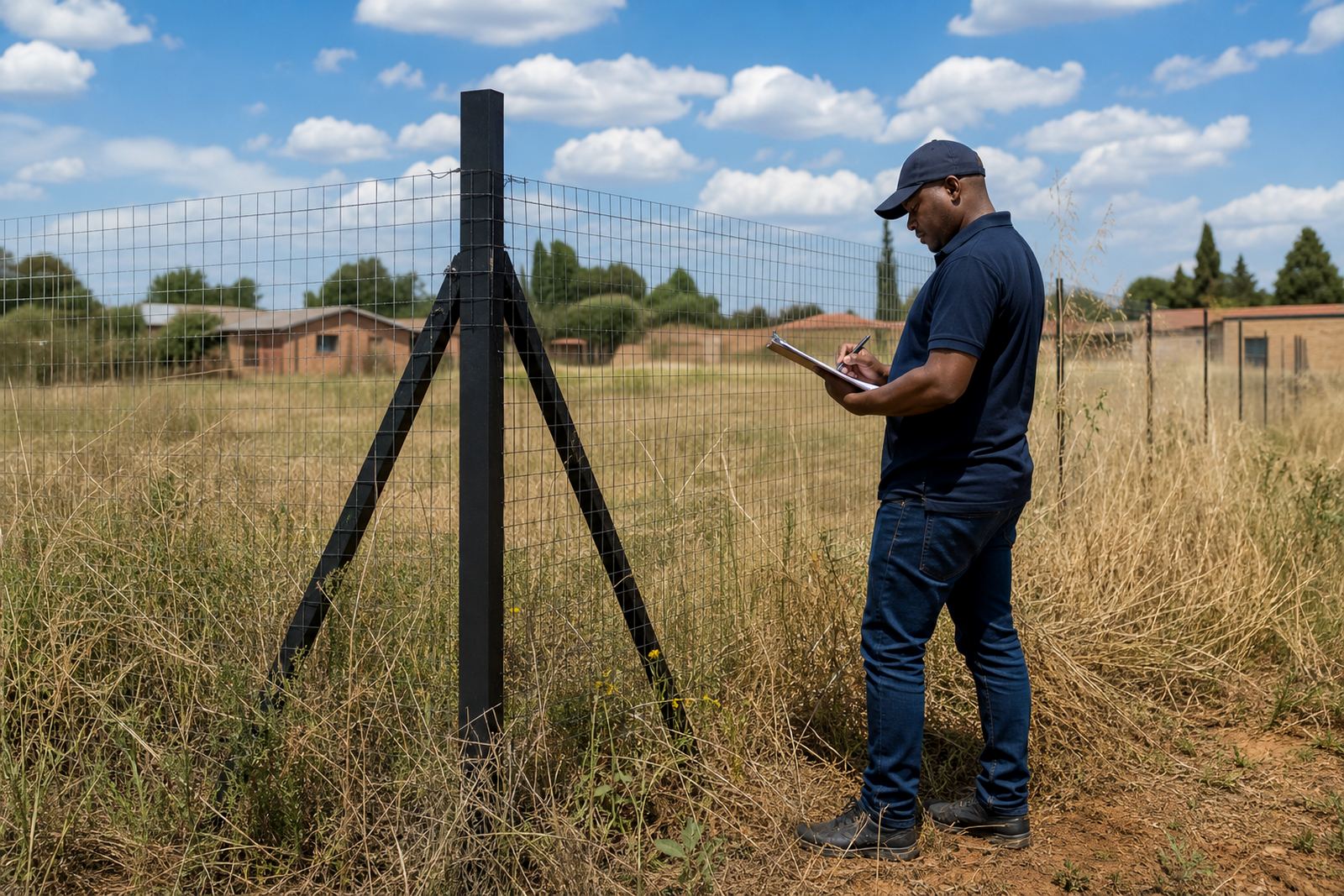
- Site visit verification and occupancy checks where relevant.
- Document gap review, adverse media research and transaction file audit.
If you are buying vacant land, the safest question is not what the stand looks like. It is what the records and site conditions are quietly telling you before you commit.