

Start with who actually owns the property
The first question is simple: does the person or entity offering the lease or bond authority actually control the property. In South Africa that means checking the registered owner, the property description, and whether the signatory has the right to bind the owner or landlord company. A mismatch here can cause delays, disputes, or a lease that is hard to enforce later.
For lenders, ownership checks also show whether the asset sits in the name of a company, a trust, or a private individual. That affects risk, security structures, and who must sign supporting documents. If the owner has changed recently, there may be unpaid transfer costs, incomplete paperwork, or unresolved conditions attached to the sale or lease.
- Confirm the registered owner against the property record.
- Check whether the landlord is a company, trust, or individual.
- Verify signing authority for leases, guarantees, and consent forms.
- Watch for recent ownership changes that may still be settling.
Read the title and record for hidden limits
A landlord risk check is not only about names and numbers. The title record can show restrictions that affect use, access, or future changes. Common issues include servitudes, rights of way, consent requirements, sectional title rules, and mortgage bonds that still sit over the property. Any of these can influence what the occupier may do and what the lender can rely on.
In older commercial stock around Pretoria and Johannesburg, it is not unusual to find records that have not been updated cleanly after subdivisions, extensions, or title changes. Coastal properties can also carry extra issues around access, stormwater, and maintenance obligations due to humidity and salt air. If the record is not clean, the deal may still go ahead but only after the risk is understood and priced properly.
- Look for servitudes, access rights, and usage restrictions.
- Check for bonds and other registered claims against the asset.
- Confirm that the description on the record matches the actual property.
- Identify anything that could limit alterations, signage, or expansion.
Check whether the landlord can carry the building costs
Even a well-located property becomes a problem if the landlord cannot meet ordinary costs. Lenders should review whether municipal accounts are current, whether maintenance has been kept up, and whether there are signs of deferred repairs. Broken lifts, leaking roofs, repeated power issues, and poor water management all point to cash flow strain or weak management.
For occupiers, this matters because a struggling landlord may pass the pressure through via service charge disputes, delayed repairs, or irregular management responses. In winter, when load shedding and backup power costs rise, some landlords stretch their budgets and service levels slip. A building that cannot handle outages, generator fuel, or inverter maintenance can create real trading losses for tenants.
- Review municipal account status where available.
- Check maintenance history and visible building condition.
- Ask about backup power, water storage, and security arrangements.
- Test whether the landlord responds quickly to faults and notices.
Occupancy patterns tell you more than the marketing brochure
Vacancy is not always a bad sign, but it needs context. A mostly empty building can mean poor location, weak management, or rental levels that are out of step with the market. On the other hand, a fully occupied property with short leases may still be unstable if tenants are rolling off soon or if renewals have not been secured.
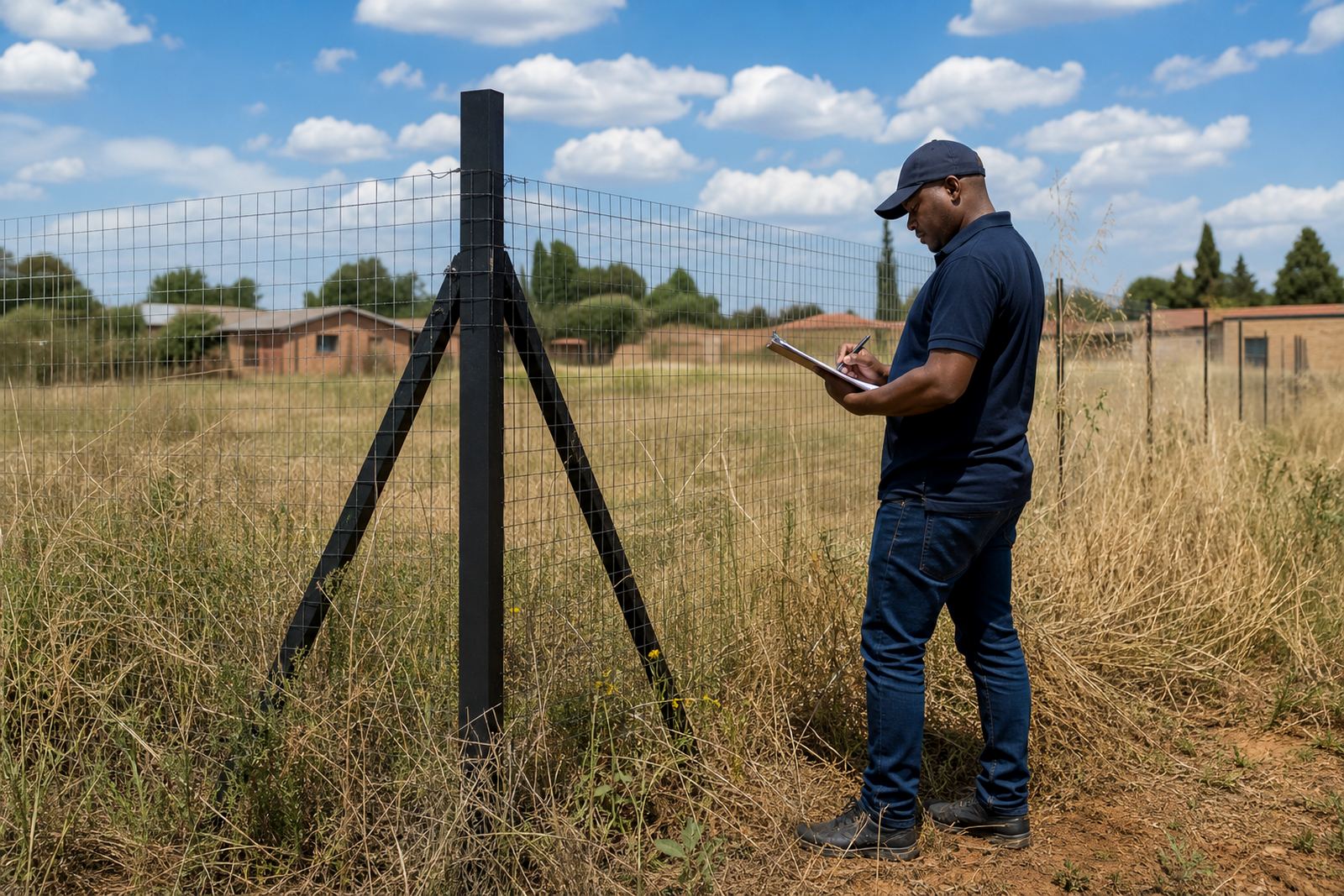
Site visit verification is especially useful here. It shows who is actually on site, whether the premises are in use, and whether the public-facing story matches reality. In a Centurion industrial park, for example, a lender might be told the landlord has a strong rental base, yet a visit can show half the units are shuttered, with utility issues and unclear signage. That changes the credit view fast.
- Compare stated occupancy with what is seen on site.
- Check expiry dates on key leases or trading agreements.
- Look for empty units, underused floors, or abandoned sections.
- Ask whether tenants have raised disputes or early exit notices.
Follow the paper trail for arrears, disputes, and missing records
Document gaps are often the place where risk hides. Missing leases, unsigned annexures, old municipal statements, broken chains of approval, and incomplete insurance records all make it harder to see the true position. A clean file helps a buyer or lender understand the obligations already in place and the ones still outstanding.
Adverse media research can also help to pick up public disputes, litigation, labour issues, or repeated complaints about the landlord or related parties. That does not mean the transaction must stop, but it does mean the parties should know what they are stepping into. The same applies to arrears. A landlord with repeated unpaid accounts may still be able to sell or lease, but the risk profile is very different.
- Review missing leases, mandates, approvals, and annexures.
- Check for arrears, disputes, and recurring payment issues.
- Look for public complaints, litigation, or regulatory matters.
- Confirm that the property file supports the story being told.
Use the local context before you commit funds
Landlord risk is not the same in every town or every asset class. In Sandton, a lender may focus on vacancy, tenant mix, and service charge recovery. In Durban, humidity, corrosion, and stormwater management may matter more. In Bloemfontein, the key concern may be whether the landlord can keep the asset let through colder months and slower trading cycles. The point is to match the checks to the property and the region.
A practical due-diligence report should bring the ownership record, occupancy findings, site verification, and document review together in one place. That gives buyers and lenders a clearer view of whether the landlord is stable, whether the building is operating as claimed, and whether the transaction can move forward without avoidable surprises.
For occupiers and funders alike, the safest approach is not to assume that a good address means a good landlord. Check the papers, inspect the premises, and test the numbers before you proceed.