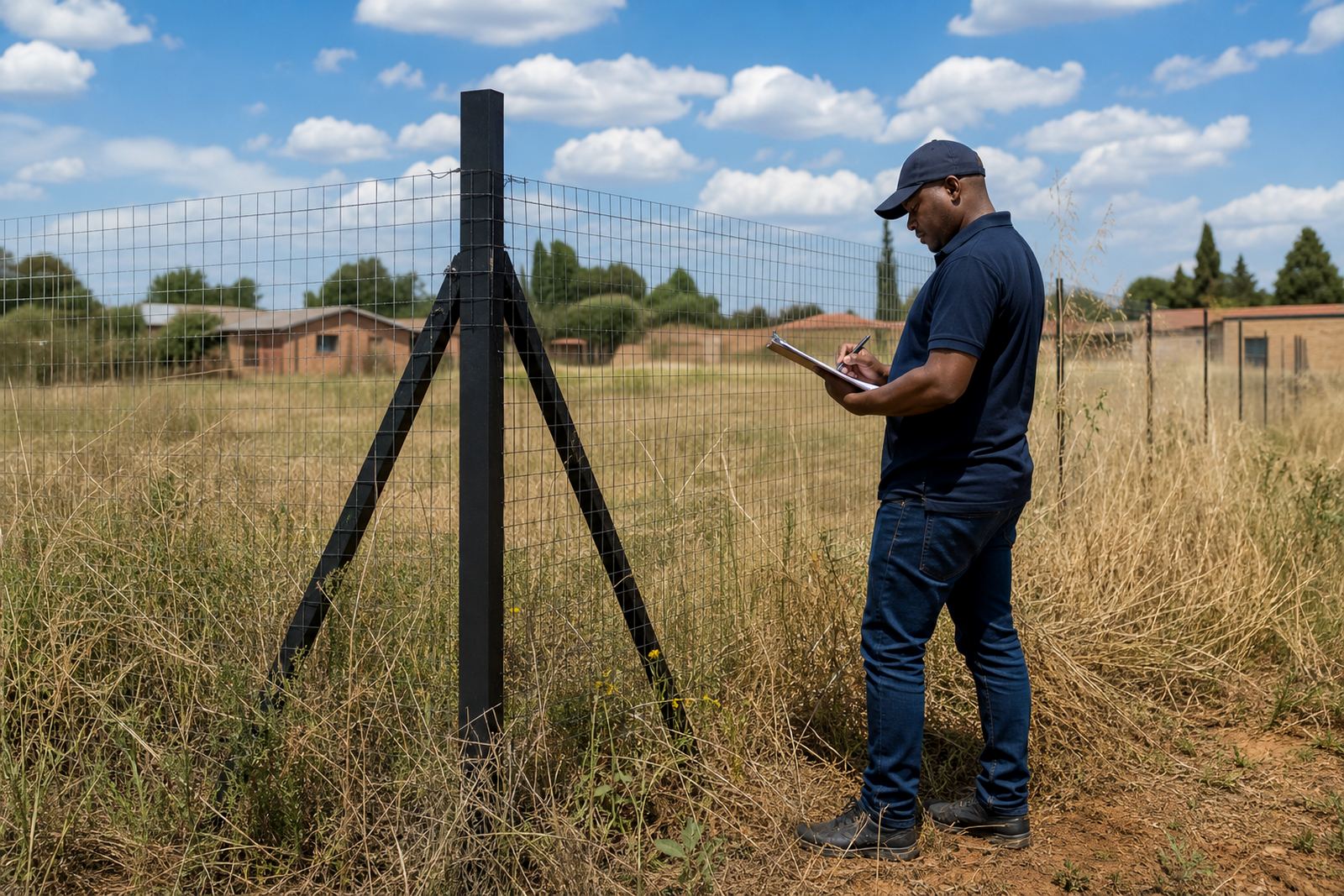


Why occupancy can change the real value of a property
Occupancy is not only about whether a building is full or empty. It affects rent received, service costs, security, maintenance planning and the buyer’s ability to take transfer with confidence. A property that is occupied by stable tenants with valid leases is usually easier to assess than one with unclear use, informal occupants or no current access.
For lenders, occupancy helps test whether the income shown on paper is likely to continue. For buyers, it shows whether there is real cash flow or whether there may be delays, disputes or immediate repairs. A vacant warehouse in Centurion may look like a bargain, but if it has been empty for months, has unpaid utilities, and needs new security fencing, the purchase price may no longer make sense.
Occupancy risk is also a timing issue. A transaction can stall if no one can confirm who occupies the building, who pays what, and whether the current use is lawful under municipal and zoning requirements. That is why occupancy needs to be checked early, before the pressure of exchange and finance approval starts to build.
The signals that tell you occupancy needs closer scrutiny
Some properties look ordinary on the outside but carry hidden occupancy risk. The warning signs often appear in the paperwork, the inspection or the responses from the parties involved.
- No current lease agreements or rental schedules
- Different names on the accounts, lease and title-linked documents
- Locked units, inaccessible areas or refusal of access during a site visit
- Signs of subletting, storage use or mixed use that was not disclosed
- Municipal accounts or utility records that do not align with the claimed occupation
- Occupants who cannot explain their right to be there
If a seller says the property is fully let but the site visit shows empty sections, that gap needs answering. If a buyer is told the building is owner-occupied, but separate businesses are trading from it, the risk profile changes. Small inconsistencies often point to bigger issues with control, income collection or legal standing.
How occupancy affects cash flow and lending decisions
Income-producing property depends on occupancy. Even a strong asset can become hard to finance if vacancy is high or if the rent roll is weak. Lenders want to know whether the income is recurring, whether tenants are current, and whether there are any arrears that may reduce the projected return after transfer.
Occupancy also affects running costs. Empty space still needs insurance, cleaning, security and sometimes climate control. In coastal areas, humidity can increase maintenance issues if units sit vacant for too long. In areas with load-shedding, vacant properties may be more vulnerable to theft or damage if alarms, lights and gates are not managed properly.
When occupancy is unclear, the financial model becomes less reliable. That means the borrower may need more equity, the lender may reduce the advance amount, or the deal may require extra conditions before approval.
- Confirm who occupies each unit and under what right
- Check whether rent is paid on time and in full
- Test whether vacancy is temporary or structural
- Match occupancy to the lease expiry dates and deposit records
- Review whether any tenant has a protection claim or informal arrangement
What to check before you sign or issue a facility
A proper occupancy review goes beyond a quick walk-through. It should tie together records, site observations and, where needed, follow-up with the relevant parties. The aim is to confirm that the property is occupied as stated and that the occupation supports the transaction, not threatens it.
For buyers and lenders, the most useful checks usually include document review, site visit verification and direct confirmation of the people on site. In some cases, you also need to check whether the use matches the approved zoning, whether trading activity is visible, and whether any portion of the property is being used in a way that could cause municipal compliance problems.
That matters in places like Johannesburg or Pretoria where a commercial building may contain a mix of offices, storage and informal occupation. It also matters in Cape Town and Durban, where a coastal environment or tighter municipal controls can expose weak maintenance and non compliant use faster than expected.
- Is the occupier named in the contract the same person using the property?
- Are the occupants current on rent, levies or utilities?
- Does the site visit match the floor plan and written description?
- Are there signs of abandoned space, illegal subdivision or overcrowding?
- Does the current use support the intended sale or loan purpose?
A local example from Centurion to the Cape and back
A commercial property in Centurion was presented as fully let, with steady monthly income and a clean handover date. During verification, the research showed that one large unit had been vacated months earlier, while another section was being used by a different operator than the one shown on the lease schedule. The utility account was also in another party’s name, which raised questions about control and arrears.
For the buyer, that changed the deal from a predictable income purchase to a higher risk transaction. The lender required updated occupancy proof, revised cash flow figures and confirmation of access arrangements before continuing. Without those checks, the purchase price would have been based on income that was not actually there.
The same pattern can show up in residential blocks, small retail centres or warehouses from Bloemfontein to Durban. Occupancy risk does not care whether the property is large or small. If the actual use does not match the paperwork, value and certainty both take a knock.
Why early verification protects value and reduces disputes
Occupancy issues are easier to manage before signatures than after transfer. Once a buyer has committed, it becomes harder to renegotiate rent assumptions, occupancy warranties or handover terms. Early verification gives the parties a chance to correct errors, request missing documents or walk away if the risk is too high.
For lenders, it helps reduce the chance of funding against income that cannot be supported. For buyers, it improves negotiating power and avoids surprises that can affect refurbishment, letting plans or immediate occupancy after transfer. In short, it gives everyone a clearer view of what is actually being bought.
At Around Report SA, occupancy checks sit alongside ownership verification, property record searches, site visit verification and document gap review. That mix helps show whether the property is occupied as claimed, whether the use is lawful and whether the transaction is ready to proceed with less uncertainty.