Why secrecy matters before a deal is signed
In South Africa, a deal can unravel quickly if word gets out too early. A seller may change position, employees may become anxious, tenants may withhold information, or competing buyers may use the news to their advantage. That is why confidentiality is not a side issue in due-diligence work, it is part of the risk control process itself.
When a buyer or lender asks for a company background check, property record search or ownership verification, the goal is to test what is true without creating a trail that invites speculation. A careful research process keeps the enquiry narrow, uses only relevant records, and limits who sees the findings. It also means the client receives information they can act on, instead of gossip dressed up as intelligence.
What confidential research looks like in practice
Confidentiality starts with the way the brief is handled. The scope should be clear, the people involved should be named only where necessary, and the document flow must be controlled from the beginning. If a report is being prepared for a lender in Pretoria or a buyer in Sandton, there is no need to circulate drafts across unrelated parties or ask open-ended questions that reveal the full purpose of the exercise.
Good practice also means separating what is essential from what is merely interesting. A due-diligence file may include director profile research, adverse media checks, document gap review and site visit verification, but each item should serve a specific decision point. The more focused the work, the lower the chance of oversharing. In many cases it is better to verify one critical issue properly than to chase ten loose ends that create confusion.
- Limit access to the report to the client and named decision-makers only.
- Use the least amount of personal and commercial data needed for the task.
- Record findings clearly so they can be understood without extra explanation.
- Keep field verification discreet, especially where tenants, staff or neighbours are involved.
How confidentiality protects buyers and lenders from avoidable risk
For buyers, the biggest danger is losing negotiating strength. If a seller learns that the property has title issues, that occupancy does not match the lease pack, or that the company has unresolved director disputes, the asking process can become defensive very quickly. For lenders, unnecessary disclosure can undermine credit assessment, affect borrower behaviour, or create pressure before the application has even been properly reviewed.
Confidential handling also reduces reputational risk. A lender does not want to be seen as leaking sensitive information, and a buyer does not want staff, partners or competitors hearing about a possible acquisition before due process is complete. In a market where relationships matter, one careless conversation can be more damaging than a weak balance sheet. That is why a private, disciplined research process is worth the effort.
There is also the legal side. South African transactions often involve personal information, commercial records, and property details that must be handled with care. A proper research process should respect privacy, avoid unnecessary copying, and keep a clean audit trail. That helps the client show that the enquiry was managed responsibly from start to finish.
A Centurion example from a property and lending review
A practical example helps. A lender in Centurion wanted a property and company due-diligence report for a commercial building being refinanced in Johannesburg. The file included an ownership search, occupancy checks, a review of transaction documents, and a visit to confirm that the building was being used as represented. The client needed fast answers, but not broad circulation of the review.
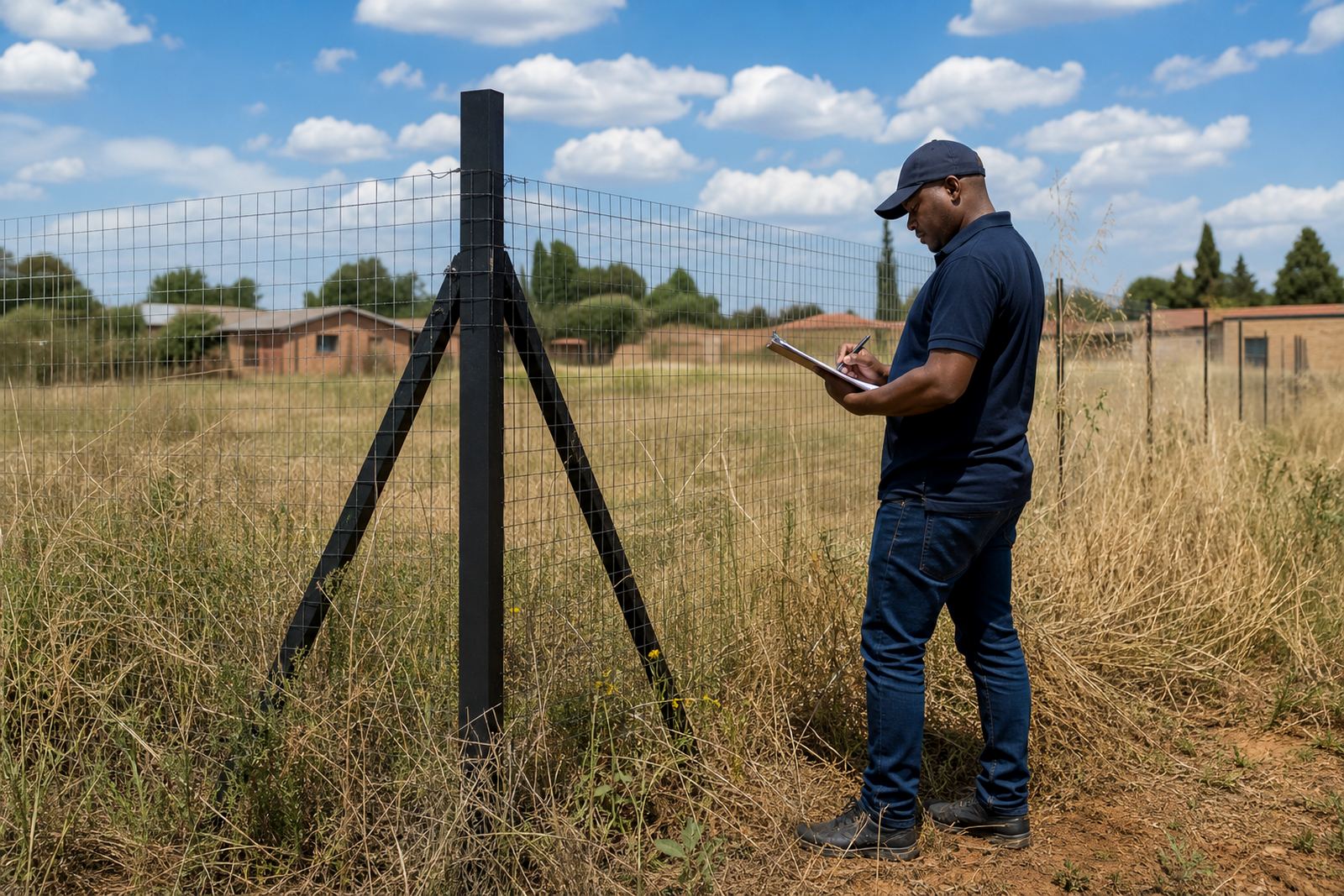
Only the necessary information was requested from the parties involved. The field verification was arranged quietly and the report was issued in a controlled way. The lender was able to see that the property use matched the stated purpose, but also that there was a gap in one supporting document and a discrepancy in the occupancy records. Because the process stayed discreet, the borrower was not alerted before the lender had enough information to decide how to proceed. That saved time, and probably a difficult conversation as well.
- Confidentiality protected the lender’s position during the review.
- The borrower was not exposed to unnecessary speculation.
- The factual gaps were identified before the transaction moved further.
- The decision-makers could act on evidence, not assumptions.
The research habits that keep information contained
Confidentiality is not only about secrecy, it is about method. Research teams should work from a defined scope, avoid casual sharing, and keep notes tidy enough that another professional can understand the file without asking for extra background. Reports should be written in plain language, with no loose comments that could be misunderstood if forwarded.
For South African conditions, this matters even more. Load-shedding can delay site visits and document retrieval, coastal humidity can affect records storage, and municipal processes may differ from one city to the next. In Cape Town, Durban or Bloemfontein, the route to the facts can change from one office to another, so the process has to be controlled and patient. Good research does not rush, but it also does not wander.
- Use secure storage for notes, scans and supporting documents.
- Avoid discussing active matters in public or shared spaces.
- Keep field questions brief and relevant to the purpose of the report.
- Issue the final report only when the review is complete and checked.
Choosing a due-diligence partner who handles trust properly
When selecting a research partner, ask how they protect sensitive information before you ask what they can find. A dependable provider should be able to explain who sees the brief, how findings are checked, how site verification is handled, and how completed reports are released. If those answers are vague, the risk is not only in the research, it is in the process around it.
At Around Report SA, confidentiality is built into the way company and property due-diligence work is managed for buyers and lenders across South Africa. From Centurion to Pretoria, Johannesburg, Sandton, Midrand, Cape Town, Durban and Bloemfontein, the aim is the same: gather the facts carefully, keep the process contained, and provide a report that supports a sound decision without creating unnecessary exposure.
That is what sensible confidentiality looks like. Not secrecy for its own sake, but disciplined handling of information when the stakes are high and the margin for error is small.