Why supplier checks matter before the first order
In trade, a supplier can look fine on paper and still create real problems once stock is ordered. Late deliveries, broken promises on quantities, hidden ownership issues and weak cash flow can all hit your margin, especially when you have already committed to your own customers. In South Africa, where transport delays, power cuts and weather can disrupt supply chains, it pays to know exactly who sits on the other side of the deal.
Supplier due diligence is not only for large groups. A family-run hardware shop in Pretoria, a food distributor in Johannesburg, a clothing wholesaler in Cape Town or a small import business in Durban all need the same basic answer: can this supplier deliver consistently, invoice correctly and stand behind the transaction? If the answer is unclear, the risk moves straight to your books.
- Check if the supplier is trading from a real operating address, not just a PO box or shared service office.
- Confirm the legal name, registration details and who controls the business.
- Look for warning signs such as repeated name changes, unpaid judgments or pressure for full upfront payment.
- Review whether the supplier has the staff, stock and systems to support your order volume.
What to confirm before you extend terms
Before you give a new supplier 30 days, 60 days or any form of trade credit, test the basics. A proper screening process should not be a box-ticking exercise. It should give you enough information to decide whether the supplier is suitable for your product range, delivery area and payment cycle. If you are buying from a Gauteng warehouse and the goods need to move to Bloemfontein or coastal towns, you need more than a WhatsApp promise and a price list.
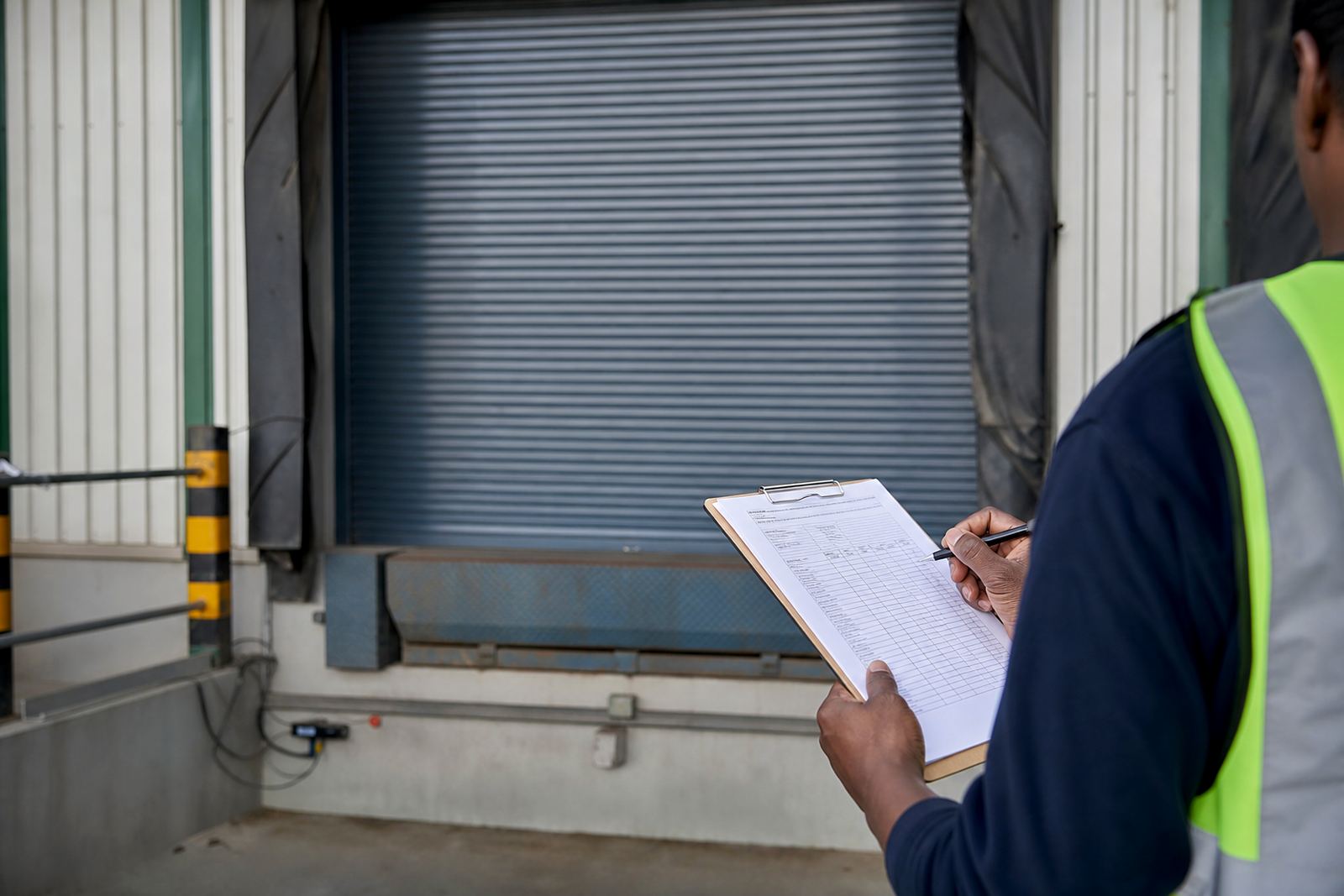
Useful checks include company background checks, ownership verification, director profile research and document gap review. These help confirm whether the business is active, who is behind it and whether the paperwork matches what you were told. If the supplier claims to have a strong track record, a site visit verification or occupancy check can show whether the premises are occupied, operational and fit for the work. In many cases, a short field visit says more than a polished profile ever will.
It also makes sense to review adverse media, especially where a supplier is handling high-value goods, regulated products or repeated delivery commitments. If there are signs of unpaid disputes, delivery failures, or complaints from other customers, you want to know before your stock goes on order.
The main risk areas South African traders should watch
Every supplier relationship carries some risk, but a few areas deserve close attention in local trade. Shortages are one thing. A supplier that cannot be traced, cannot prove ownership or cannot explain its payment terms is another. The goal is to avoid locking yourself into a relationship that looks cheap at the start and becomes expensive very quickly.
- Ownership risk: confirm who owns or controls the supplier, including any linked entities or trading names.
- Operational risk: check whether the supplier has the staff, stockholding and transport capacity to meet your order pattern.
- Credit risk: screen for signs that the supplier may struggle with payment to its own vendors or lenders.
- Delivery risk: verify the physical site and whether it matches the trading activity described.
- Compliance risk: review missing documents, unclear tax details and any gaps in signed agreements or proof of authority.
For businesses operating across Gauteng, Western Cape, KwaZulu-Natal and the Free State, regional pressure matters too. A supplier in Sandton may look reliable on paper, but if they rely on a single warehouse, no backup transport and unstable power, one interruption can affect every order in the month. Load-shedding still affects production and dispatch planning, so ask how the supplier manages packing, cold storage, systems uptime and dispatch when the lights go off.
A practical example from a Gauteng trading business
Consider a Midrand trader buying packaging materials for resale into Pretoria and Johannesburg. The supplier offered good pricing and 45-day terms, but the business requested a due diligence report before signing. The report confirmed the registered company details, reviewed the directors, checked the business address and identified that the supplier was operating from shared premises with limited on-site stock. It also flagged a history of late invoice settlement with other customers and a few missing documents in the transaction file.
That finding did not automatically end the relationship. Instead, the buyer reduced the opening order, asked for shorter payment terms and arranged a second visit after the first delivery. This is the value of proper screening. It does not just say yes or no. It gives you the facts needed to structure the deal properly and protect your margin. In a trade environment, that can be the difference between a manageable risk and a write-off.
For buyers and lenders, a clear report can also support internal approval. When a procurement manager, credit controller or lender needs to explain why a supplier was accepted, a documented assessment is far stronger than verbal reassurance from a sales rep.
How a supplier due diligence file should be used
A supplier due diligence file should help your team make one of three decisions: proceed, proceed with conditions, or stop. The report should be easy to use, with clear findings on company standing, property footprint, ownership links, document gaps and any adverse findings. It should also be tailored to your transaction, because a one-size report can miss the point.
When reviewing the file, ask your team to focus on the questions that affect your actual trade terms:
- Is the supplier trading from the address they gave us?
- Who signs off orders and who controls the company?
- Are there gaps in the paperwork that could affect enforceability?
- Does the supplier have enough capacity for the order size and delivery areas?
- Should we change payment terms, security or order limits before proceeding?
This process is particularly useful where a supplier is new, remote or operating in a sector with thin margins. It also helps when your business is expanding into Cape Town, Durban or Bloemfontein and you do not yet know the local market well. A careful review can save time later and avoid awkward conversations after the first missed delivery.
Using due diligence to protect stock, cash flow and relationships
Good supplier management is not about being difficult. It is about being consistent. If your business screens customers before granting credit, you should screen suppliers with the same discipline. A single bad supplier can cause stockouts, lost sales and extra admin for months. A reliable one can support growth, smoother planning and better service to your own clients.
When the checks are done properly, you can negotiate from a stronger position. You know whether to ask for deposits, smaller call-offs, stricter delivery milestones or a shorter trading trial. That kind of control is especially useful in South Africa, where transport costs, municipal interruptions and weather can all affect supply at short notice. The more visibility you have, the less you depend on assumptions.
At Around Report SA, supplier due diligence can include company background checks, property record searches, ownership verification, director profile research, site visit verification, occupancy checks, document gap review, adverse media research, credit risk screening, transaction file audit, portfolio risk mapping and report customisation. For buyers and lenders working in Centurion, Pretoria, Johannesburg, Sandton, Midrand, Cape Town, Durban and Bloemfontein, the aim is simple: give you the facts before money changes hands.