
Street Appeal Can Hide Real Trouble
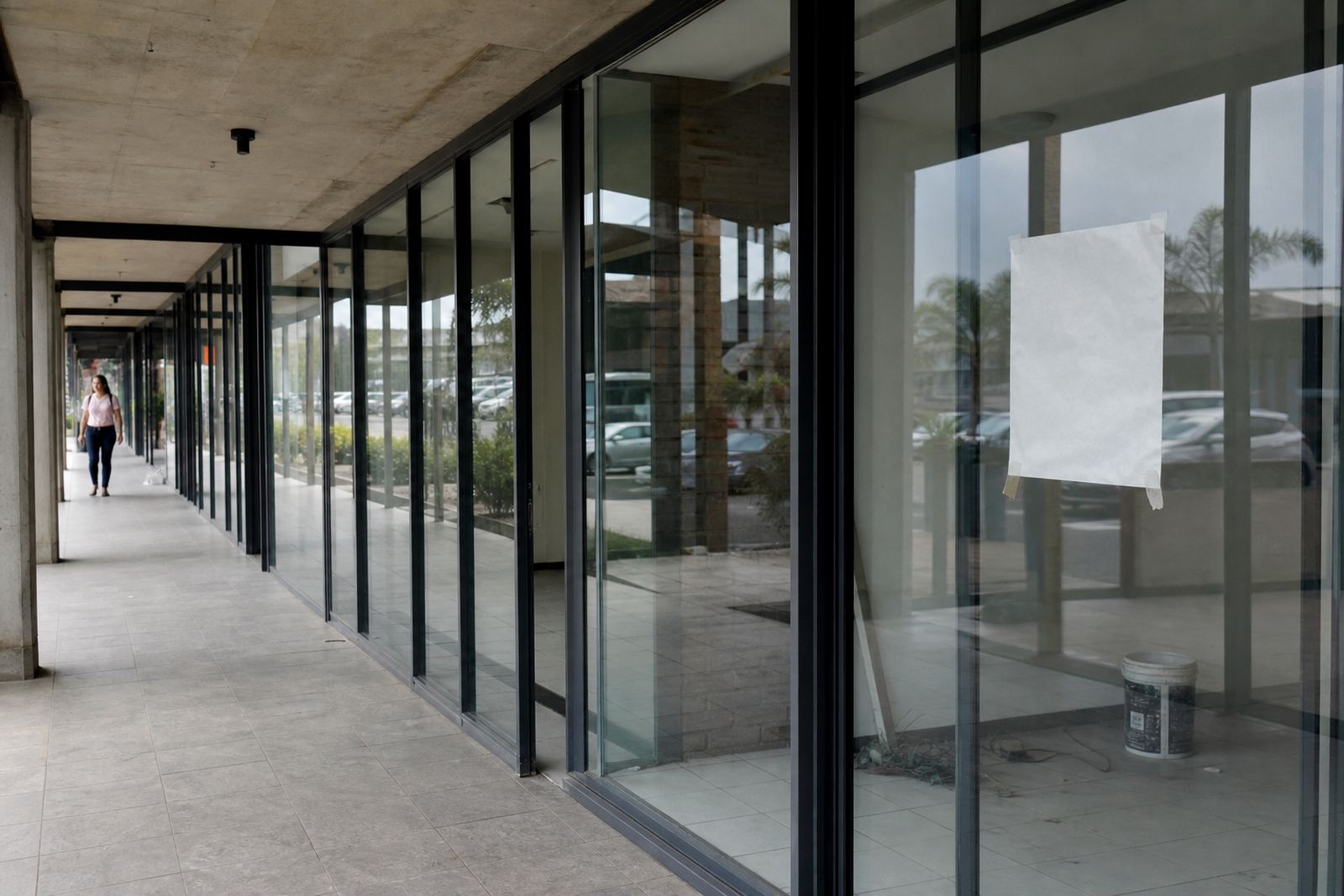
In city areas, first impressions can be misleading. A freshly painted frontage, neat boundary wall and a busy tenant mix may suggest a healthy asset, but the warning signs often sit behind the gate. Empty parking bays, broken security lights, a sagging roofline, or repeated for-sale notices can all point to stress that is not obvious in a viewing.
Urban stock in places like Pretoria, Johannesburg, Sandton, Midrand, Cape Town, Durban and Bloemfontein is often affected by high turnover, body corporate issues, municipal arrears and short lease cycles. If a property is trading below similar units nearby, there is usually a reason. It may be pricing pressure, but it can also be poor maintenance, unpaid levies, zoning trouble or a tenancy problem that has not yet shown up in the paperwork.
Ownership Mismatches and Paper Trail Gaps
One of the clearest warning signs is a mismatch between what you see on site and what the records show. If the occupier says they are the owner, but the title deed, municipal account, or company documents tell a different story, stop and check. The same applies where a seller cannot produce basic records such as rates statements, approved plans, sectional title rules or a recent utility account.
For lenders, missing documents should never be treated as a small admin delay. It can point to a suspended transfer, an estate dispute, unauthorised alterations, or a party that does not have proper authority to deal with the asset. In a city transaction, that kind of gap can slow down registration and create expensive follow-up work later.
- Compare the named owner with the person occupying or marketing the property
- Check whether the company, trust or estate records are current and consistent
- Ask why rates, levy or utility statements are missing or out of date
- Confirm whether building plans and zoning use match the actual layout
Occupancy Signs That Need A Second Look
Urban properties often have a mixed occupancy pattern. That is normal, but the detail matters. A building with one unit locked up, another sublet informally, and a third occupied by a business not shown on the lease deserves attention. Frequent movement of occupants, disconnected services, or a guard who cannot explain who runs the premises can also be a flag.
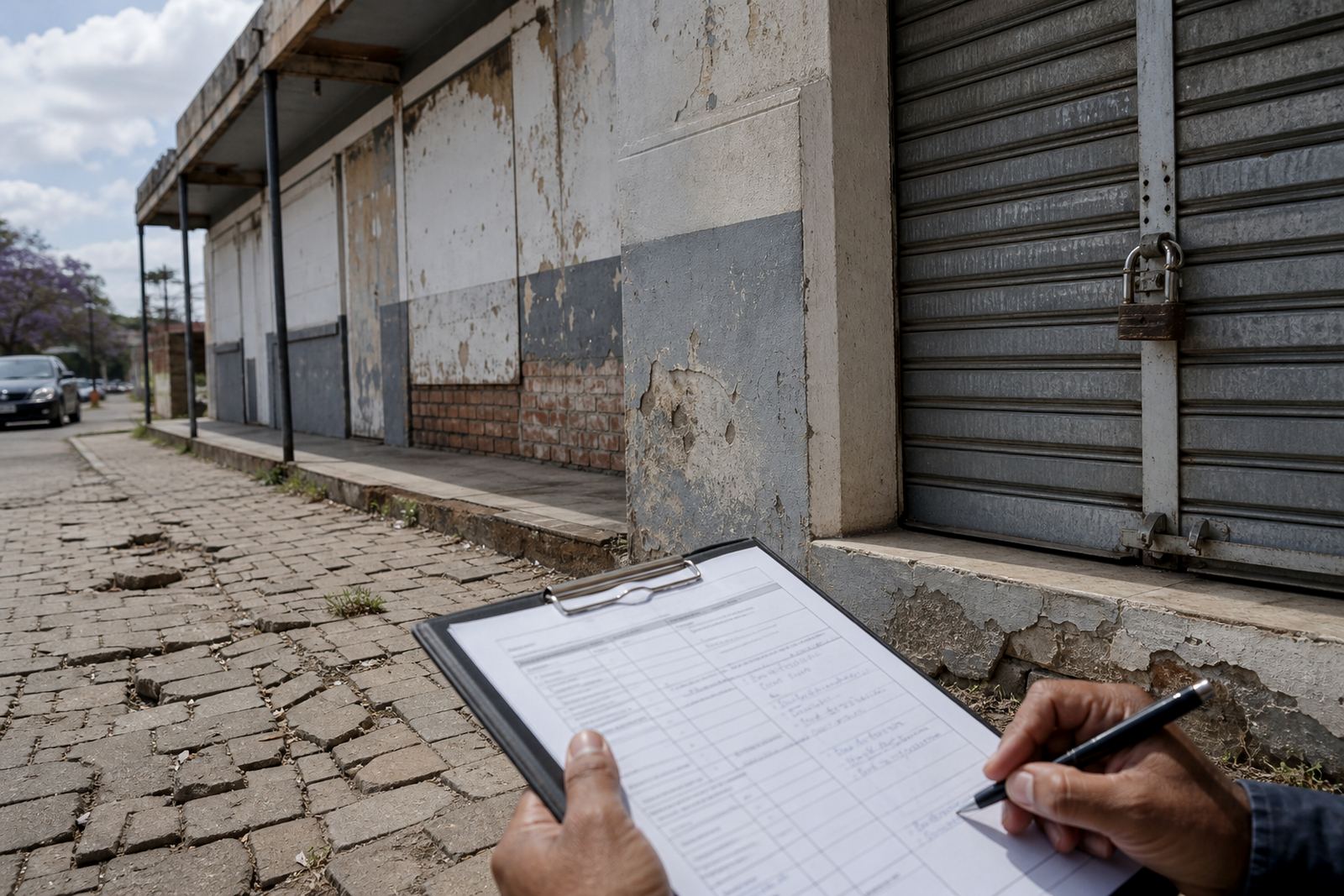
On the ground, a site visit often reveals more than a file review. Broken letterboxes, stacked delivery crates, damaged access control, or signs of forced entry may show that the property has been under pressure. In high-density areas, a lender needs to know whether the occupancy is stable, legal and supported by proper agreements. In our experience, a quick physical check can save a lot of time later because the story on paper and the story on site do not always match.
Financial Stress Shows Up In Small Ways
Some of the strongest warning signs are subtle. A property that is sold urgently after a short holding period, a company with repeated address changes, or a seller that will not discuss arrears can indicate financial strain. If the current income is being used to support the sale price, but the rent roll is weak or unverified, the asset may not be as stable as it appears.
Buyers and lenders should also watch for the way an urban property is maintained during a load-shedding cycle. Poor lighting, dead security systems and unserved common areas can affect tenant retention and risk. In coastal cities like Durban and Cape Town, humidity and salt air can worsen corrosion, mould and roof damage, so a neat paint finish may hide bigger repair needs. The figures may look fine at first glance, but small operational issues can turn into costly repairs if they are ignored.
- Check whether rental income is supported by signed leases and recent payments
- Look for repeated arrears on rates, levies or utilities
- Review whether the building is holding its value through normal use
- Ask why the asset is being sold quickly or below market comparables
A Local Example From Centurion To Pretoria
A Centurion investor once considered a small mixed-use property that looked well kept from the road. The shopfronts were active, the roof had been painted recently, and the asking price seemed fair. A deeper check, however, showed that the owner was a different entity from the one signing the sale documents, two tenants had no written leases, and the municipal account had overdue charges that had not been disclosed. The site visit also found that the upper floor was being used differently from what the plans reflected.
That combination of issues changed the deal. The buyer could still proceed, but only after the ownership trail, occupancy status and document gaps were fully clarified. Urban property often works like that. What looks like a straightforward asset in Pretoria, Johannesburg or Sandton can carry extra risk once the records are checked properly.
What A Proper Due Diligence Check Should Cover
When a property raises concern, the answer is not guesswork. It is a structured due diligence process that checks ownership, occupancy, records and risk. Buyers and lenders need a clear picture of the asset, the people behind it, and any matter that could delay transfer or reduce value. A short site visit, careful document review and independent verification often reveal what the standard brochure leaves out.
At Around Report SA in Centurion, we prepare company and property due diligence reports for buyers and lenders across South Africa. That includes property record searches, ownership verification, site visit verification, occupancy checks, document gap review, adverse media research, credit risk screening, transaction file audit and report customisation. If an urban property shows warning signs, the right report helps you decide whether to proceed, renegotiate or walk away.
For city assets, clarity matters. The earlier the risk is identified, the easier it is to protect both capital and timing.