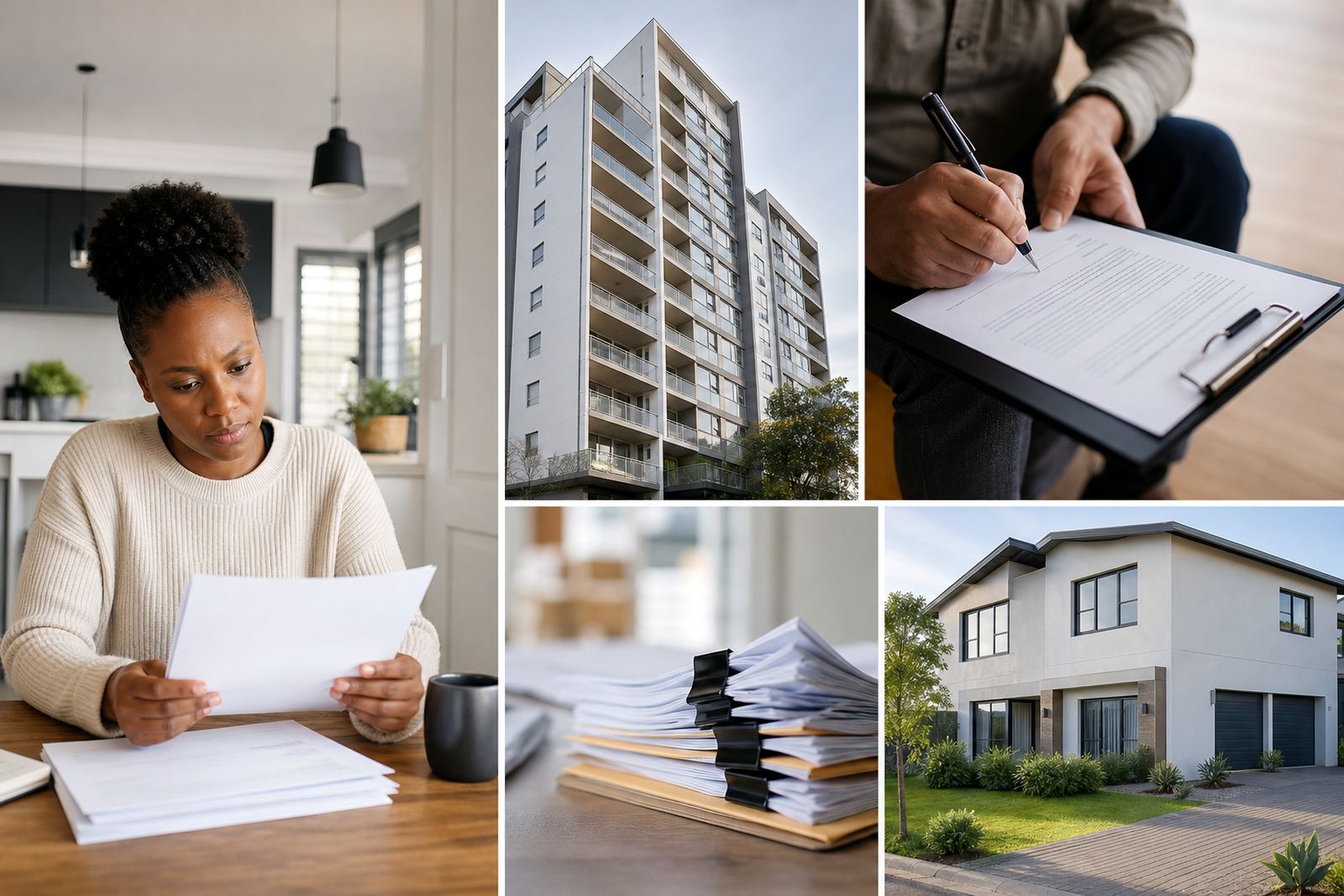

Why a site visit still changes the decision
In South Africa, a clean set of records does not always tell the full story. A title deed may be current, company documents may be in order, and yet the building could be vacant, sublet without disclosure, or used in a way that affects value and risk. That is why a physical verification step still carries weight in any proper due-diligence process.
A visit gives context that searches alone cannot provide. It shows whether the premises are occupied, whether the business is operating as described, and whether the location matches the claim made in the transaction file. For buyers and lenders, that can be the difference between a sound decision and a costly surprise.
At Around Report SA, our work in Centurion, Pretoria, Johannesburg, Sandton, Midrand, Cape Town, Durban and Bloemfontein often starts with records, but it does not end there. A site visit helps us confirm what is actually happening on the ground, especially where there are multiple tenants, informal occupancy, or a property that changes hands often.
What a proper site visit should verify
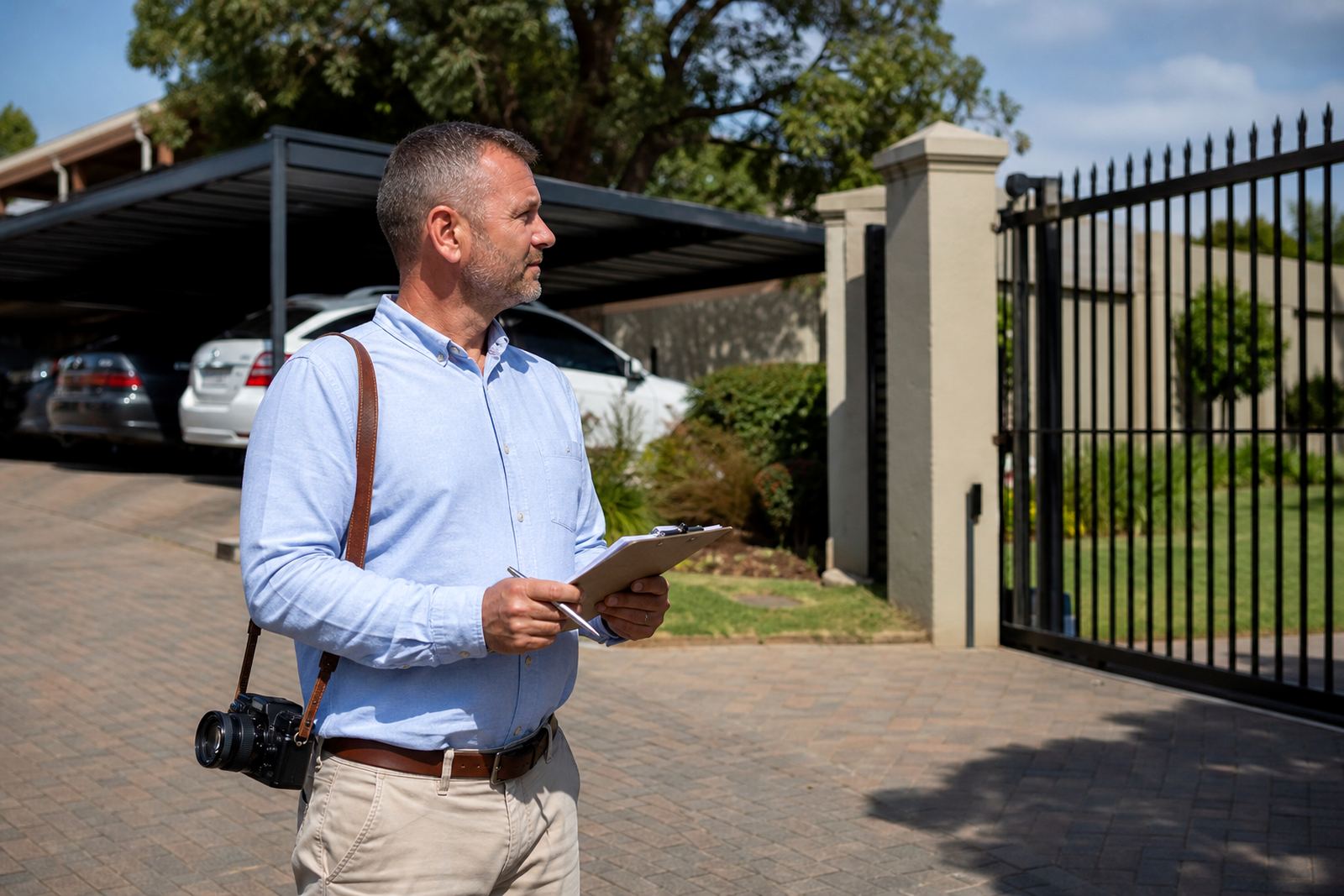
A useful site visit is not just a drive-by. It should test the basic facts that affect ownership, use, and transaction risk. The aim is to compare the real-world position with the documents supplied by the seller, borrower, or intermediary.
- Does the stated business still operate from the property?
- Is the building occupied, vacant, or partially let?
- Are there signs of unauthorised use, subletting, or abandoned stock?
- Does the street address, signage, and access point match the record?
- Are there visible condition issues such as water damage, broken fencing, or neglected maintenance?
- Is there evidence of load-shedding damage, security problems, or repeated interruptions to operations?
These checks matter because physical conditions can affect both value and recoverability. A lender wants to know whether an asset is easy to locate and inspect. A buyer wants confidence that the premises are being used in a way that supports the intended transaction. In coastal areas, for example, humidity and salt air can speed up corrosion, while inland properties may show different wear from dust, drainage or storm damage.
Where paper records can fall short
Many risks appear only when someone stands outside the property and looks closely. A company may list one trading address but operate elsewhere. An owner may say the site is fully occupied, yet the units are empty or used by unrelated tenants. A registered company may have directors on file, but the people present on site may not be linked to the business at all.
Documents can also lag behind reality. Municipal information, lease schedules and occupancy details may be out of date by the time a transaction is reviewed. If the file was assembled months earlier, there may already have been a change in use, a move to another address, or a shutdown of part of the operation. That is why a field check remains useful even where many searches are available digitally.
For lenders, this is especially important when the transaction depends on the quality of the underlying asset. For buyers, it helps test whether the asset is being marketed honestly and whether any hidden operational issue could affect the deal. In our experience, a short visit often saves time later because it reveals mismatches early.
A Centurion example that shows the difference
A buyer recently requested a company and property review for a business operating from a light industrial site in Centurion. The company documents were in order and the ownership trail was straightforward. On paper, the file looked tidy. The site visit told a fuller story.
The premises were occupied, but only part of the building was being used by the named business. The rest had been handed to another operator, with no clear supporting documents on the file. There were also storage issues at the back of the yard, and the security gate had been left open during part of the day. None of that would have been obvious from the records alone.
Because the field verification was done early, the client was able to ask the right follow-up questions before proceeding. That is the value of on-the-ground work. It does not replace searches, it strengthens them.
- It confirms current occupancy, not just historic occupancy.
- It tests whether the trading activity matches the stated business purpose.
- It highlights access, security, and maintenance concerns that affect use and value.
How lenders and buyers can use site visits better
The best results come when a site visit is planned as part of the wider due-diligence process, not as an afterthought. The field report should link back to ownership checks, company background checks, document gap review, and any adverse media or credit risk findings. That way the client sees one clear picture, not a pile of separate notes.
For buyers, this can support negotiation. A property with tenant instability, signs of poor upkeep, or unclear occupation may justify a lower offer or a condition precedent. For lenders, the same evidence can shape credit decisions, security requirements, and portfolio monitoring. In both cases, the visit should be documented clearly with dates, observations, and if needed photographs or verification notes.
- Use the visit to confirm the trading name, street address and access control.
- Check whether the stated use is consistent with zoning and visible activity.
- Look for evidence of vacancy, deterioration, or informal occupation.
- Match what is seen on site against the transaction file and supporting documents.
In towns and cities across South Africa, a site visit is often the practical step that turns a paper review into a reliable decision. It is simple, but it is rarely wasted.
Why local field knowledge matters
South African transactions carry local realities that do not always show up in a search result. A property in Durban may face moisture and corrosion concerns. A business park in Johannesburg may have access control issues after hours. A mixed-use building in Pretoria might have several occupiers, each with different arrangements. In Bloemfontein, the question may be less about coastal wear and more about visible upkeep, vacancy and long term use.
That is why a good site visit depends on local judgement as much as procedure. It is not only about arriving at the address. It is about knowing what to look for, what to query, and what to record for the client. When this is done properly, it gives buyers and lenders a clearer basis for action and reduces the chance of surprises later in the deal.
At Around Report SA in Centurion, we prepare company and property due-diligence reports for clients across South Africa, with site visit verification forming part of a practical, risk-focused process. For many transactions, that on-the-ground check is the piece that confirms whether the story in the file matches the reality at the gate.