Why the procurement team asked for a pre-award review
The client was a mid-sized procurement team in Randburg that had narrowed a tender down to one preferred service provider. The proposed supplier had presented well on price and turnaround times, but the team wanted more than a polished proposal before signing. They needed a proper due diligence review that could support an internal procurement committee and stand up to lender or audit questions later on.
The brief was clear: verify the company details, check who controlled the business, confirm the trading address, and look for anything that could affect contract performance. The team also wanted to know whether there were warning signs in the supplier's past work, director history, or public record. This was not a box-ticking exercise, it was about making sure the appointment would not create a problem six months into the contract.
- Client type: procurement team at an established organisation in Randburg
- Decision point: pre-contract award review
- Main concern: supplier credibility, capacity and risk
- Secondary concern: whether the quote matched the real operating profile
What we needed to prove, and what could not be assumed
In a supplier review like this, the obvious risk is assuming a clean proposal means a clean business. We had to test the company from several angles, including registration details, ownership, director profiles, property links and any adverse media that may affect service continuity. Because the work touched both corporate and operational matters, we also checked whether the supplier's trading footprint made sense for the scale of the contract.
There were a few constraints. The procurement process was moving on a fixed timeline, and the client needed findings before the award meeting. In addition, the supplier operated across different sites and did not have one simple paper trail. Some documents were current, others were missing or out of date, so we had to reconcile what was supplied against public records and field findings. Load-shedding also meant the client wanted communication and document handling kept efficient, with no unnecessary back-and-forth.
- Needed: company background checks and director profile research
- Needed: ownership verification and document gap review
- Needed: site visit verification and occupancy checks
- Needed: adverse media research and credit risk screening
How the due diligence was carried out over three weeks
We completed the review over three weeks. Week one focused on company background checks, registration history, director profiling and a first pass on the document file. Week two covered property record searches, ownership verification, occupancy checks and site verification where the declared trading address needed confirmation. Week three brought the findings together into a transaction-style file audit and a practical report that procurement could use immediately.
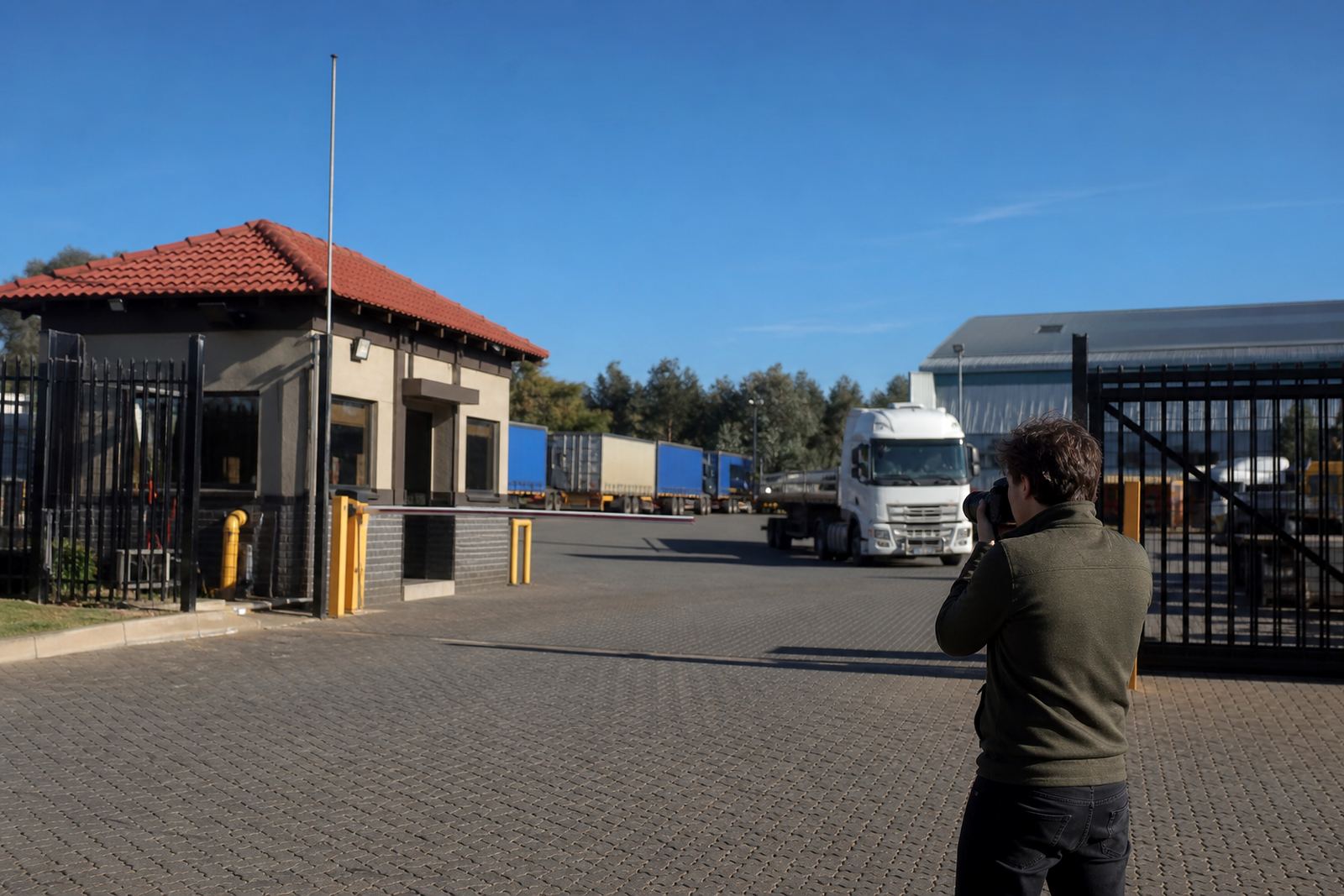
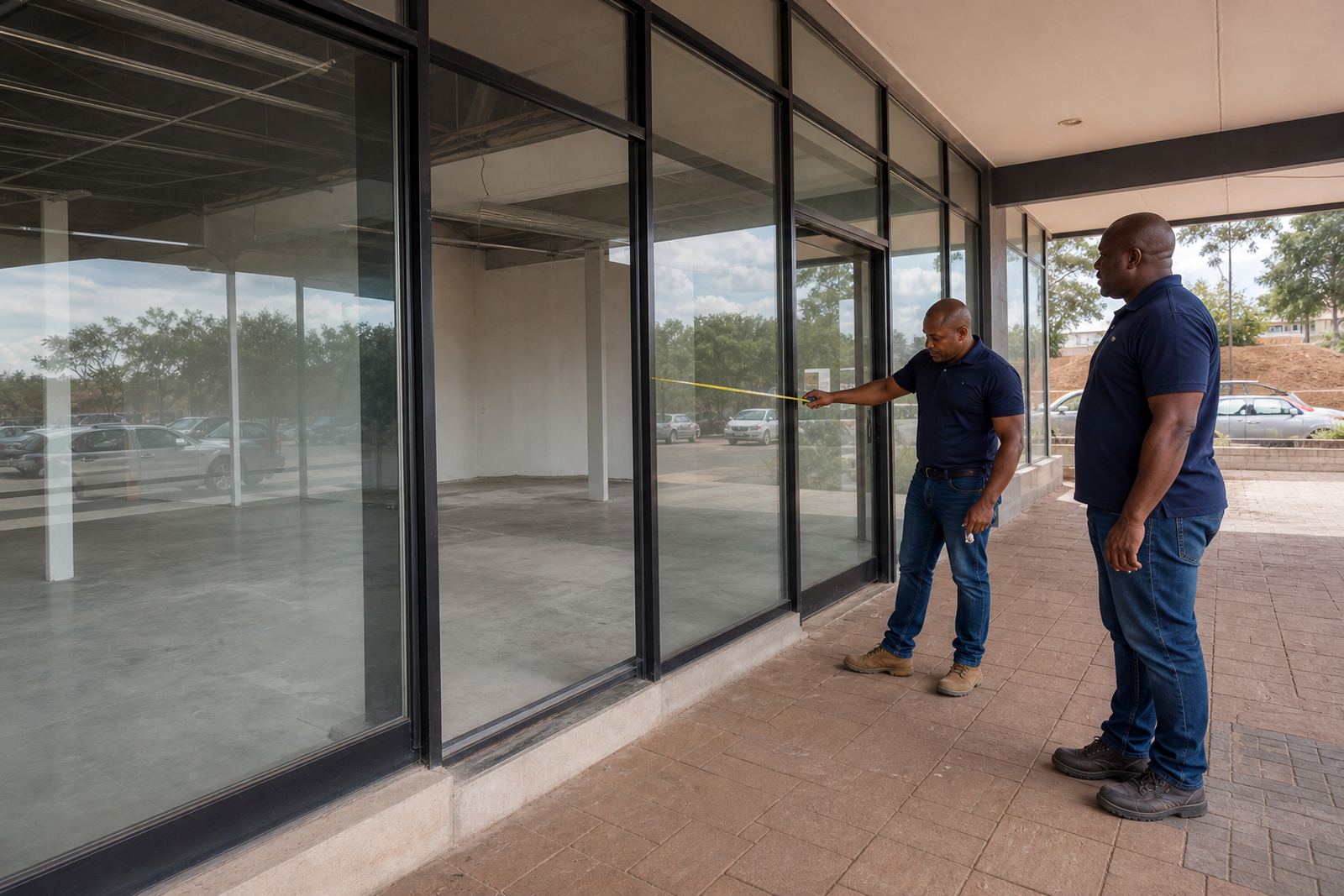
The site work mattered. In Gauteng, it is common for a business to list an address that sounds right on paper but does not reflect where staff, stock or equipment are actually kept. Our field verification lead checked the premises, took note of access control, visible operating activity and whether the address matched the claimed business function. We also checked for any signs that the supplier was sharing space in a way that could affect service continuity or contract responsibility.
- Timeline: 3 weeks from instruction to final report
- Research areas: Randburg, Sandton and Midrand trading footprint checks
- Verification steps: site visit, occupancy check, public record review
- Output: report customised for procurement committee review
What we found in the paper trail and on the ground
The review showed that the supplier was a real operating business, but not every claim in the proposal was fully supported by documentation. The company structure was broadly consistent, though there were gaps in the file around supporting proofs for certain service claims and older contract references. A few items had to be chased down because the submitted pack did not align neatly with the public record. That is common enough, but it still needs to be recorded properly.
The site visit confirmed active occupancy at the stated premises, with normal weekday business activity and enough signs of day-to-day operations to support the supplier's claim that they were trading from the address. We did not find anything that suggested the business was a front or that the premises were being used for something unrelated. However, the scale of operations appeared more modest than the proposal implied, so the client needed to treat capacity claims carefully.
Our adverse media and credit screening did not uncover a single issue that would automatically rule the supplier out, but it did highlight areas where the procurement team should tighten terms before award. These included milestone-based payments, delivery standards, and a clearer right to request updated compliance documents during the contract period.
The result for the Randburg procurement team
The client was able to move into the award meeting with a fuller picture of the supplier, not just a sales presentation. The report gave them enough detail to compare the vendor against the risk appetite set by internal policy. It also helped the team explain, in plain language, why some claims were accepted, some were qualified, and some needed follow-up before signature.
In practical terms, the due diligence helped the client avoid locking into a contract based on incomplete information. The review supported a cleaner negotiation on service levels, proof of insurance, updated company documents and the right to request regular compliance refreshes. That kind of structure matters when the contract value is material and the work is tied to time-sensitive procurement cycles.
- Clearer view of supplier credibility before award
- Identified document gaps that needed follow-up
- Confirmed operating presence at the declared address
- Supported stronger contract conditions and controls
What we would repeat for a similar supplier review
For a similar case, we would follow the same sequence: confirm the company first, then test the people behind it, then verify the operating footprint before procurement signs anything. That order matters because a nice-looking proposal can hide small but important gaps in ownership, capacity or compliance. We would also keep the report format tight and decision-ready so the procurement team can use it without reworking the content into another file.
We would repeat the field verification, especially where the trading address is in a mixed-use area or where the supplier claims to service clients across Gauteng from one base. In Randburg and nearby areas, that can be a useful reality check. If a supplier is active, the site should show it. If the document pack is complete, it should match the records. If something does not line up, it should be stated plainly.
- Start with company and ownership checks
- Verify premises before final award
- Audit the file for missing or inconsistent documents
- Use report findings to shape contract terms
Specs and project facts
This review was prepared by Around Report SA from our Centurion, Gauteng base for a procurement team in Randburg. The assignment was completed in three weeks and covered company background checks, property record searches, ownership verification, director profile research, site visit verification, occupancy checks, document gap review, adverse media research, credit risk screening, transaction file audit and report customisation. The final output was written for internal procurement use, with enough detail for award consideration and contract controls.
Our team on the project included Mpho Sekgobela on overall oversight, Naledi Mokoena on property research, Johan van der Merwe on company analysis, Zanele Khumalo on client coordination, Themba Ndlovu on field verification and Ayesha Ismail on quality and compliance review. The work was carried out with South African business conditions in mind, including practical timing, document availability, municipal address realities and the need for clear findings that a procurement committee can act on without guesswork.
Key facts
| Project town | Randburg, Gauteng |
|---|---|
| Client type | Procurement team at a mid-sized organisation |
| Timeline | 3 weeks |
| Main brief | Pre-award due diligence on a proposed service provider |
| Key checks | Company background, ownership, site verification, adverse media and credit risk |
| Outcome | Confirmed operating presence, identified document gaps and supported tighter contract terms |