
Lender Brief For An Industrial Yard In Polokwane
The brief came from a lender funding an asset-backed transaction involving an industrial yard on the outskirts of Polokwane, Limpopo. The site was being used for truck parking, light maintenance and storage, so the lender needed a clear view of whether the physical asset, occupancy and documentary record all matched the borrowing proposal.
The property sat in an industrial area with mixed yard users, frequent heavy vehicle movement and exposure to dust, security pressure and patchy service delivery. In this kind of setting, the gap between what is on paper and what is actually on the ground can be material, so the instruction was to confirm the basics before any exposure was approved.
Our task was to assess whether the yard was occupied as claimed, whether the right party controlled it, and whether there were any obvious red flags that could affect enforceability or value. We also had to work around the normal limits of site access, because operating yards do not stop running for a report. Trucks were coming and going, staff were on shift, and the client needed usable findings without delay.
What We Tested On The Ground
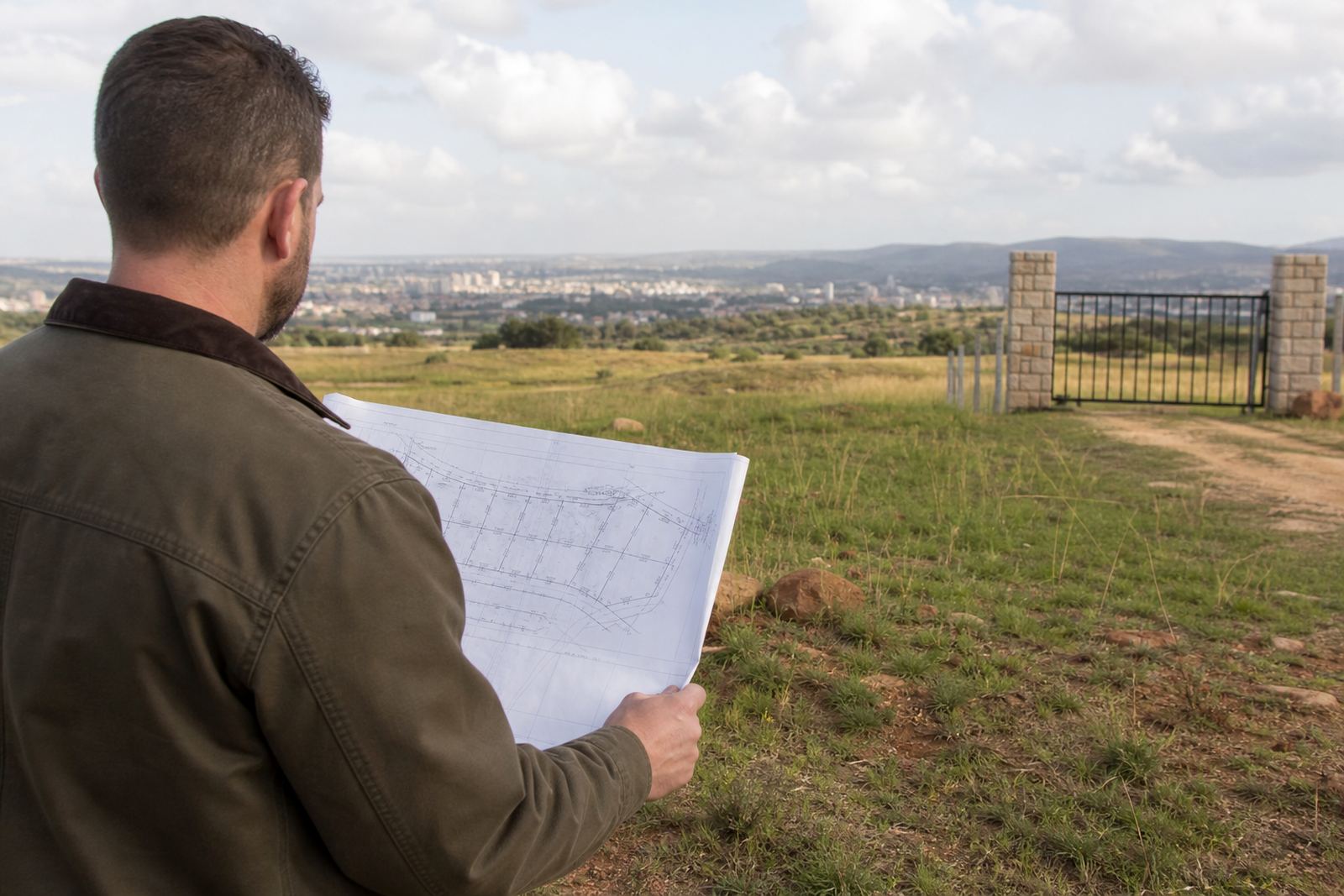
We combined property record searches, field verification and transaction file review. That meant checking ownership information, looking for mismatches in occupancy and use, and comparing what was seen on site with the documents provided by the applicant and the lender. We also carried out basic adverse media and risk screening on the parties connected to the transaction.
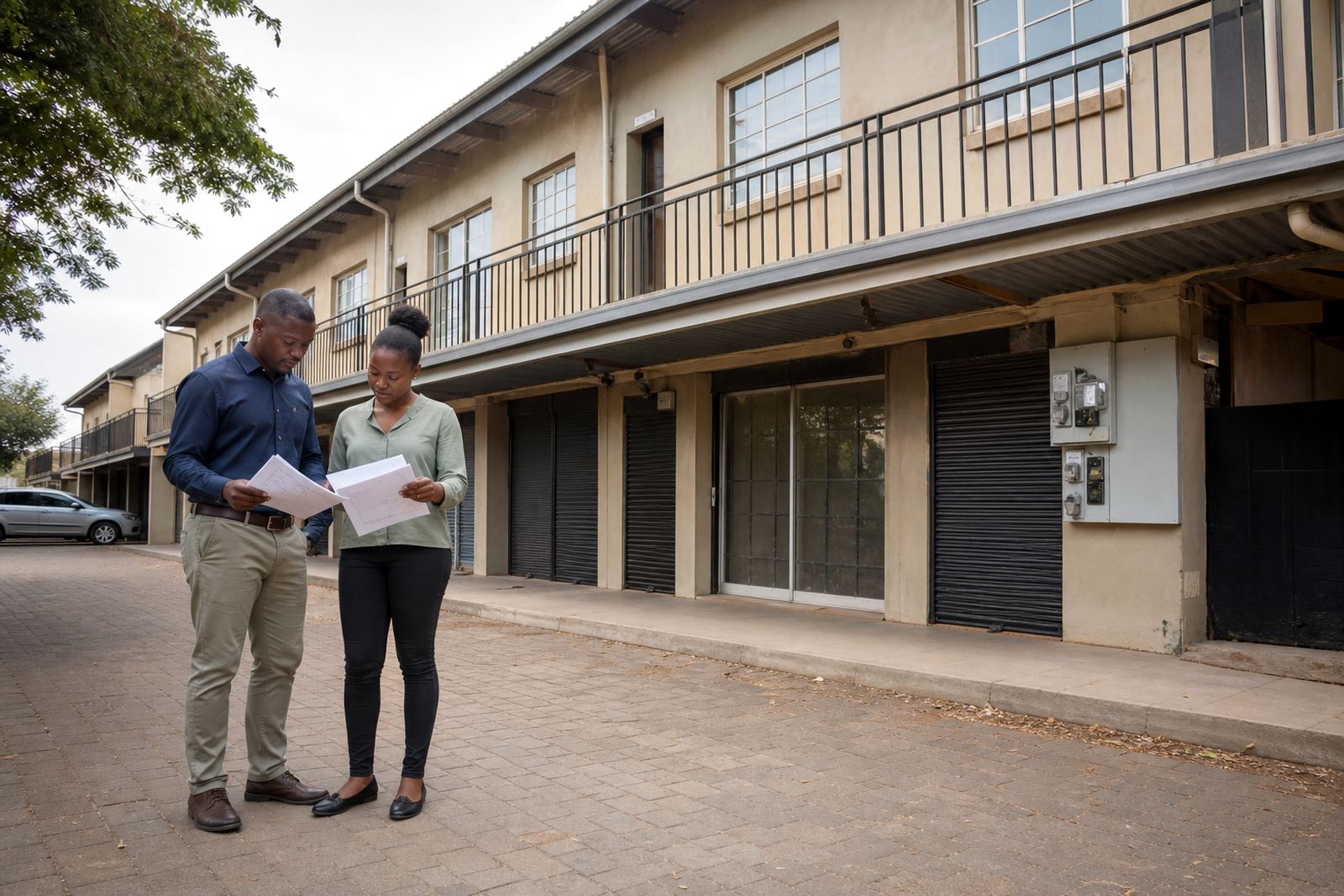
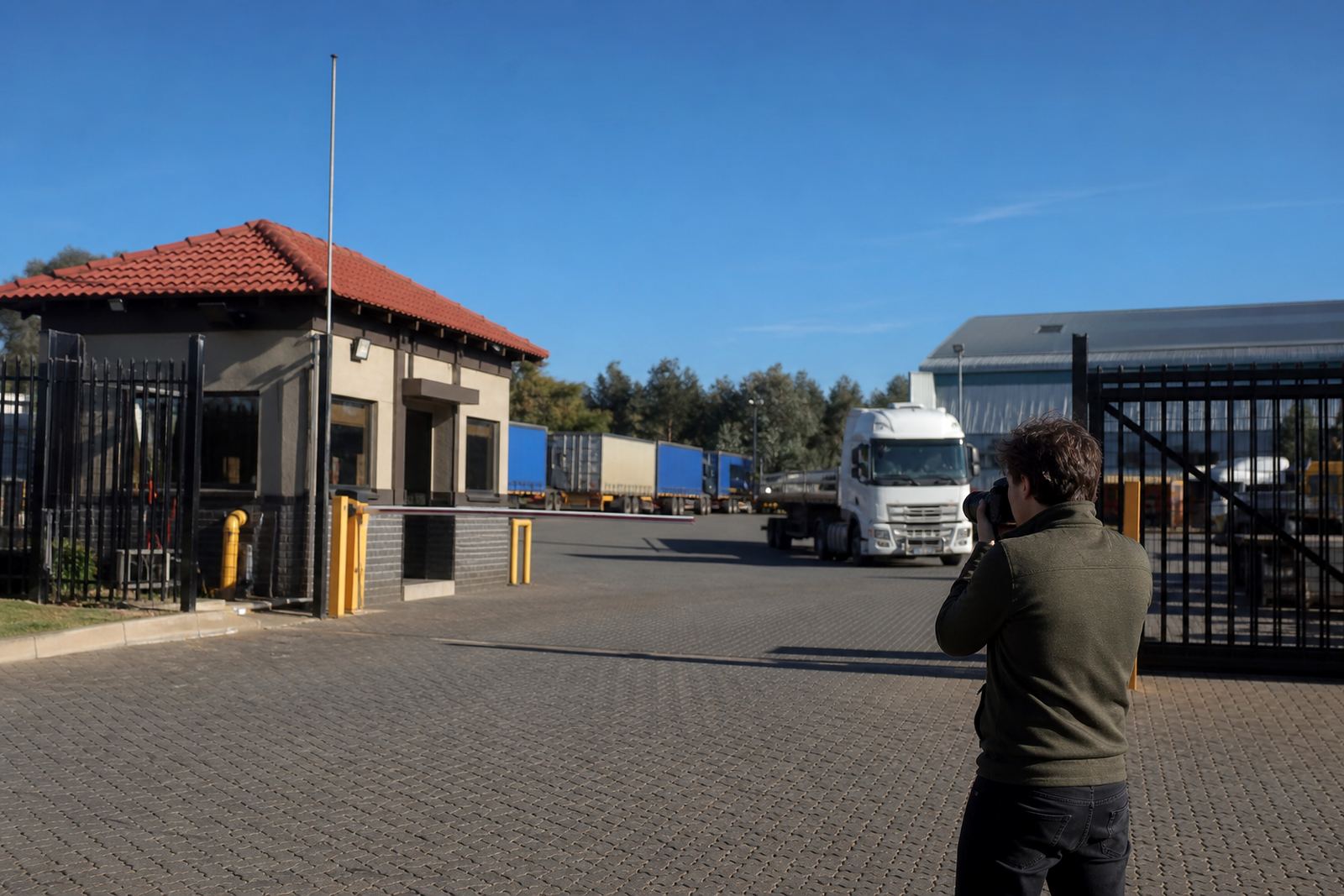
The site visit focused on practical details that matter to a lender. Was the yard fenced and controlled? Was there evidence of active use by the stated operator? Were the trucks, equipment and storage areas consistent with the stated business purpose? Was the boundary readable and the access point secure enough for an industrial asset that would be relied on as backing for finance?
- Ownership and title related checks against the available record set
- Occupancy confirmation and use verification on site
- Site photos and field notes covering access, fencing and general condition
- Document gap review to flag missing or inconsistent items
- Party screening for adverse media and obvious credit risk signals
Polokwane conditions also mattered. Summer heat, dust and long vehicle queues can hide wear on hardstand areas, while load-shedding can affect gate control, lighting and security routines. We therefore paid attention to practical operating conditions rather than only the paper trail.
Constraints That Shaped The Assignment
The main constraint was timing. The lender wanted the report fast enough to keep the funding process moving, but not so fast that the site picture became thin. We completed the assignment over two weeks, with research and document review running alongside the site visit and verification calls.
There was also the normal constraint of limited on-site cooperation. Industrial yards tend to be busy, and staff may not be briefed on every financing detail. In this case, access was enough to confirm the operational layout, but some documents had to be chased separately. That is common in asset-backed matters, especially where the borrower and site operator are not exactly the same party.
Another issue was making sure the lender had a report they could actually use. A site report that is too general is not helpful when credit teams need to make a call on occupancy, control and enforceability. We kept the findings practical and pointed, with enough detail for the credit file and enough structure for internal sign-off.
Findings That Helped The Credit Team
The report showed that the yard was operational and consistent with an industrial trucking use, but we also picked up the sort of issues that lenders should not ignore. The key value of the assignment was not just confirming that a truck yard existed. It was showing how the site was managed, how reliable the occupation appeared to be, and where the transaction still needed tightening before funding.
The lender received a clear view of the property control position, plus the supporting record trail. Where documents were missing or did not fully align, we flagged those gaps so the credit team could ask for follow-up before drawdown. That included practical concerns around access, evidence of use and whether the business party on record was the same one actually operating from the yard.
- Occupancy was confirmed on site, with active industrial use visible
- The yard layout and access control supported the stated truck-related activity
- Several document gaps were identified and returned to the lender for follow-up
- No immediate sign of a vacant or abandoned asset was found
- The report gave the credit team a stronger basis for conditional approval
For a lender, that difference matters. A funding request backed by an active truck yard is not the same as a clean, fully documented security position. Our role was to separate the two and show where the real risk sat.
Why This Kind Of Report Matters In Limpopo
Industrial assets in Polokwane and the wider Limpopo market can be highly useful security, but only when the underlying facts line up. Truck yards are often practical assets with visible activity, yet they can still carry risks around informal occupation, incomplete paperwork, maintenance backlogs and control of the land itself. Those risks can be easy to miss if only the application form is reviewed.
We have found that regional work of this kind is most helpful when it is done before the lender commits, not after problems surface. In Polokwane, distance can also make follow-up slower than in Gauteng, so a clean first report saves time later. It helps the lender ask the right questions early, rather than chase missing facts after the deal is already in motion.
This project reinforced the value of combining record searches with real world verification. A yard may look active from the road, but the questions that matter are who controls it, how it is used and whether the transaction files can support the funding request. Those are the points that make or break a proper due-diligence decision.
What We Would Do Again On A Similar Instruction
For the next lender instruction on a truck yard or similar industrial asset, we would follow the same sequence. Start with the record review, then test the site facts quickly, then close the document gaps while the credit decision is still open. That order keeps the process practical and avoids wasting time on information that does not move the file forward.
We would also recommend the same approach where the site is in a provincial centre and the business is linked to transport, logistics or asset-backed lending. In these matters, a concise report with verified facts is worth more than a thick file full of assumptions. The lender needs to know whether the asset exists, whether it is occupied, and whether the paperwork can stand up to scrutiny.
- Confirm the site use early, before documents are finalised
- Match the borrower, operator and security party carefully
- Check access control, occupancy and maintenance conditions on site
- Allow enough time for follow-up where records are incomplete
- Issue a lender-ready report with clear risk points and next steps
That is the approach we use across South Africa, whether the matter is in Centurion, Pretoria, Johannesburg, Cape Town, Durban, Bloemfontein or Polokwane. The towns change, but the need for clear evidence stays the same.
Key facts
| Project type | Industrial site report for lender due diligence |
|---|---|
| Town | Polokwane, Limpopo |
| Asset | Truck yard linked to asset-backed funding |
| Timeline | 2 weeks |
| Core checks | Ownership, occupancy, site verification, document gap review |
| Outcome | Clear lender-ready findings with follow-up items flagged |