
Why the buyer asked for a land report in Bloemfontein
The client was a private buyer based in Bloemfontein looking at a vacant stand on the edge of the city for future development. The land looked straightforward on paper, but the buyer wanted a proper read on what could be confirmed on site, what still needed to be checked, and where the hidden risks sat before signing anything further.
In this kind of purchase, the gap between a title description and the real ground conditions can be larger than people expect. Access may depend on an informal track, boundary pegs may not be visible, and drainage or servitudes can affect buildability. The brief was simple: confirm what could be confirmed, flag anything uncertain, and give the buyer a practical basis for negotiations.
- Town: Bloemfontein, Free State
- Client type: private land buyer
- Asset type: vacant land
- Main concern: boundaries, access and visible constraints
What we were asked to verify before transfer
The buyer needed more than a quick benchtop summary. They wanted a report that brought together title information, ownership checks, location context and a physical assessment of the stand. The instruction was to identify whether the land matched what had been presented in the sale discussion, and whether there were any signs of encroachment, unauthorised use, or site conditions that could complicate development later.
We also had to look at practical issues that matter in Bloemfontein conditions, where dry winters can hide erosion lines and summer stormwater run-off can reshape edges of a stand. Access from the public road, visibility of corner markers, and any obvious municipal or servitude related constraints were all part of the brief.
- Ownership verification and record review
- Boundary and access assessment
- Visible site constraint review
- Document gap review for missing or unclear items
How we handled the site and records work
We started with a property record search and ownership verification to confirm the basics attached to the stand. From there, we checked available transaction documents and compared the description against the location supplied by the client. The file showed a few gaps, so we treated those as active issues rather than leaving them for later.
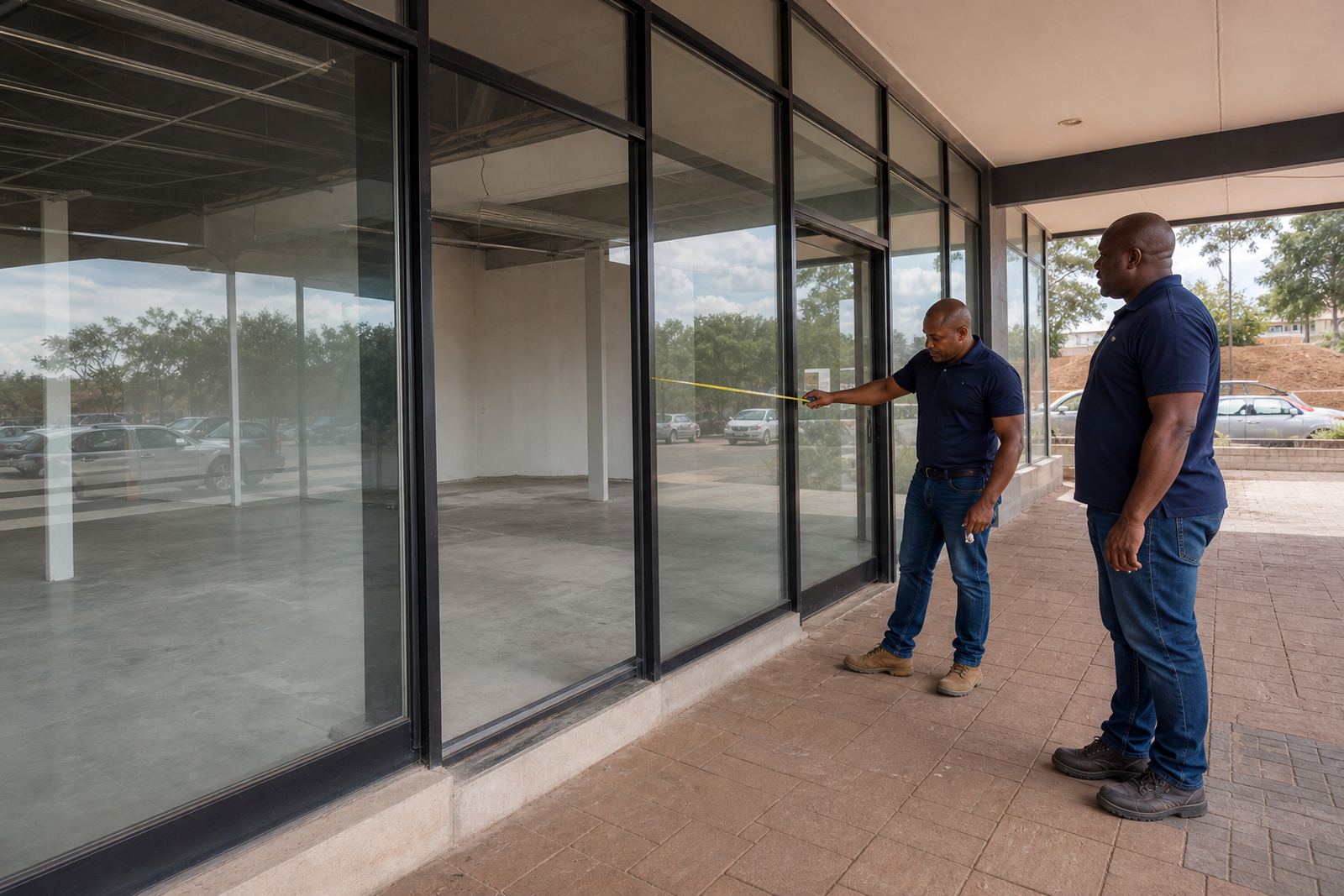
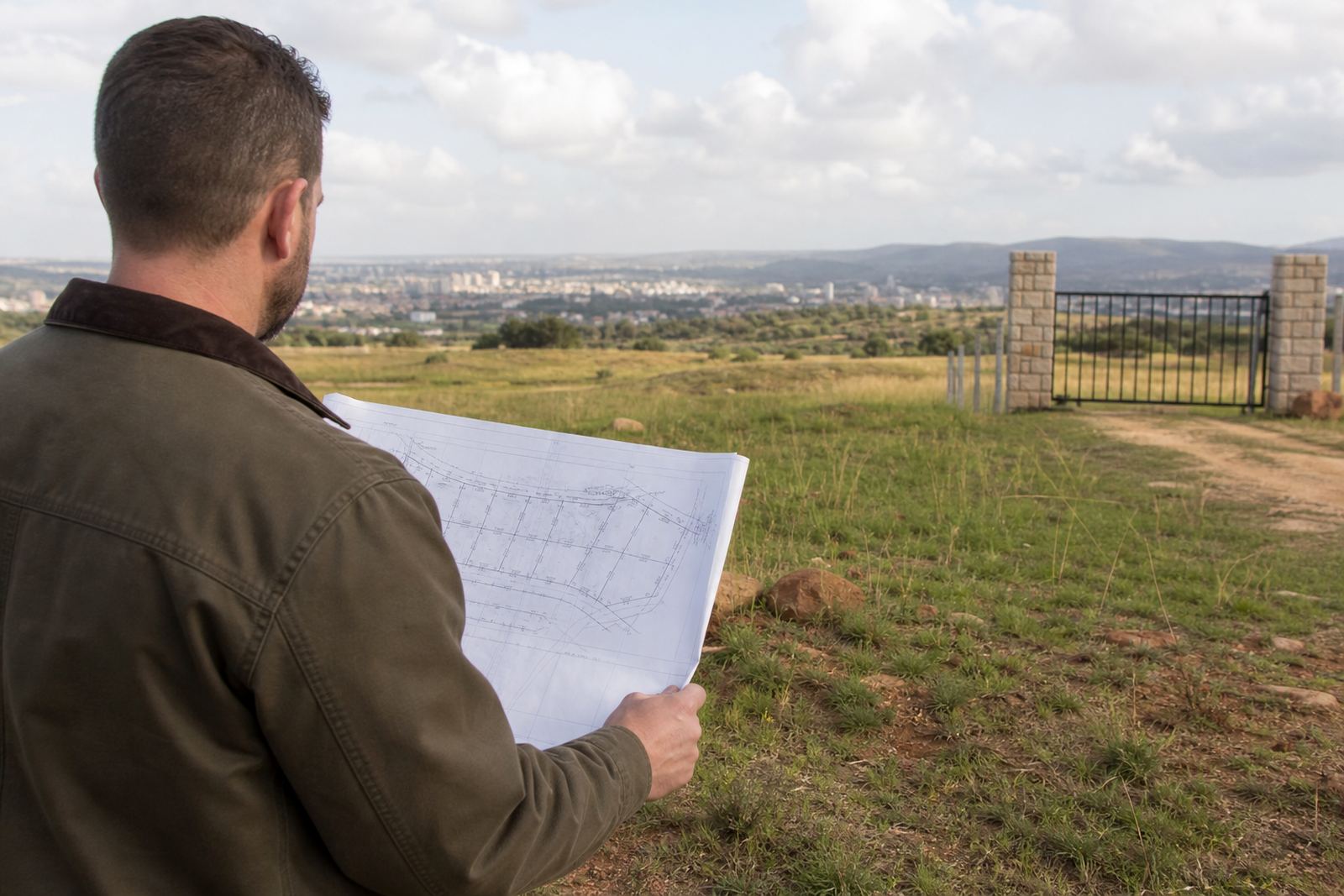
Our field verification lead attended the site to confirm what could be seen from ground level. The stand was open and undeveloped, but the boundary pegs were not easy to spot, and the access road was a gravel lane with limited turning room at the entrance. Nearby activity suggested occasional informal use of the edge, so we noted that the buyer should not assume the visible space reflected the full legal extent. The area was dry at the time of inspection, which helped with access, but it also meant erosion and drainage lines were less obvious than they would be after heavy rain.
- Field visit completed within the agreed inspection window
- Photo-backed notes taken on access, edges and visible use
- Document set reviewed for missing or unclear land details
- Risk items recorded in plain language for the buyer and lender
Four-week turnaround and what the report contained
The assignment ran over four weeks from instruction to delivery. Week one covered the initial file review and ownership checks. Week two focused on document follow-up and local site planning. Week three included the field visit in Bloemfontein and the photo record. Week four was used to cross-check findings, write the report and prepare the final summary for decision-making.
The finished report was structured so that a buyer or lender could move through it quickly. It included the key facts, the items confirmed on record, the items confirmed on site, and the points that still required caution. That made it easier to decide whether to proceed, renegotiate, or request more information before transfer.
- Four-week timeline from instruction to final delivery
- Clear summary of confirmed facts and open issues
- Practical comments for buyers and lenders
- Report format suitable for transaction file review
What the buyer learned before committing to the stand
The report gave the buyer a clearer picture of what they were actually buying. The main value was not just confirming that the stand existed, but showing where the practical risks were. Access appeared workable, yet not ideal for larger vehicles without some care. The lack of visible boundary markers meant the buyer could not rely on appearance alone. The site itself looked usable, but the report highlighted that any future development should allow for site cleaning, boundary confirmation and a proper check of drainage before building plans were finalised.
That information mattered because the buyer was weighing the land as a medium term hold rather than a quick flip. With a vacant stand, small issues can become expensive later if they are ignored at purchase stage. The report helped the client decide on a more measured approach, and gave them specific points to raise with the seller and their conveyancing team.
- Boundary uncertainty was identified early
- Access conditions were described as practical but limited
- Visible site constraints were logged before commitment
- The buyer had a stronger base for negotiation
What we would repeat on a similar Bloemfontein purchase
For a similar land purchase in Bloemfontein, we would follow the same sequence: record search, document review, field verification and a final risk summary written in plain terms. That approach works well where the land is vacant, the markers are not obvious, and the buyer needs a clean view of what can and cannot be proven before transfer. It also helps when a lender wants a practical note on access, site condition and any obvious risk to value or development potential.
We would again recommend early attention to access and boundary proof, especially on stands where the road surface is loose, turning space is tight, or neighbouring use may blur the edge of occupation. In a market like Bloemfontein, where weather and open plots can hide detail, the best time to test assumptions is before money changes hands.
- Repeat the record check before relying on the sale description
- Confirm boundaries and access on the ground
- Look for drainage, encroachment and informal use
- Keep the report tied to the transaction timeline