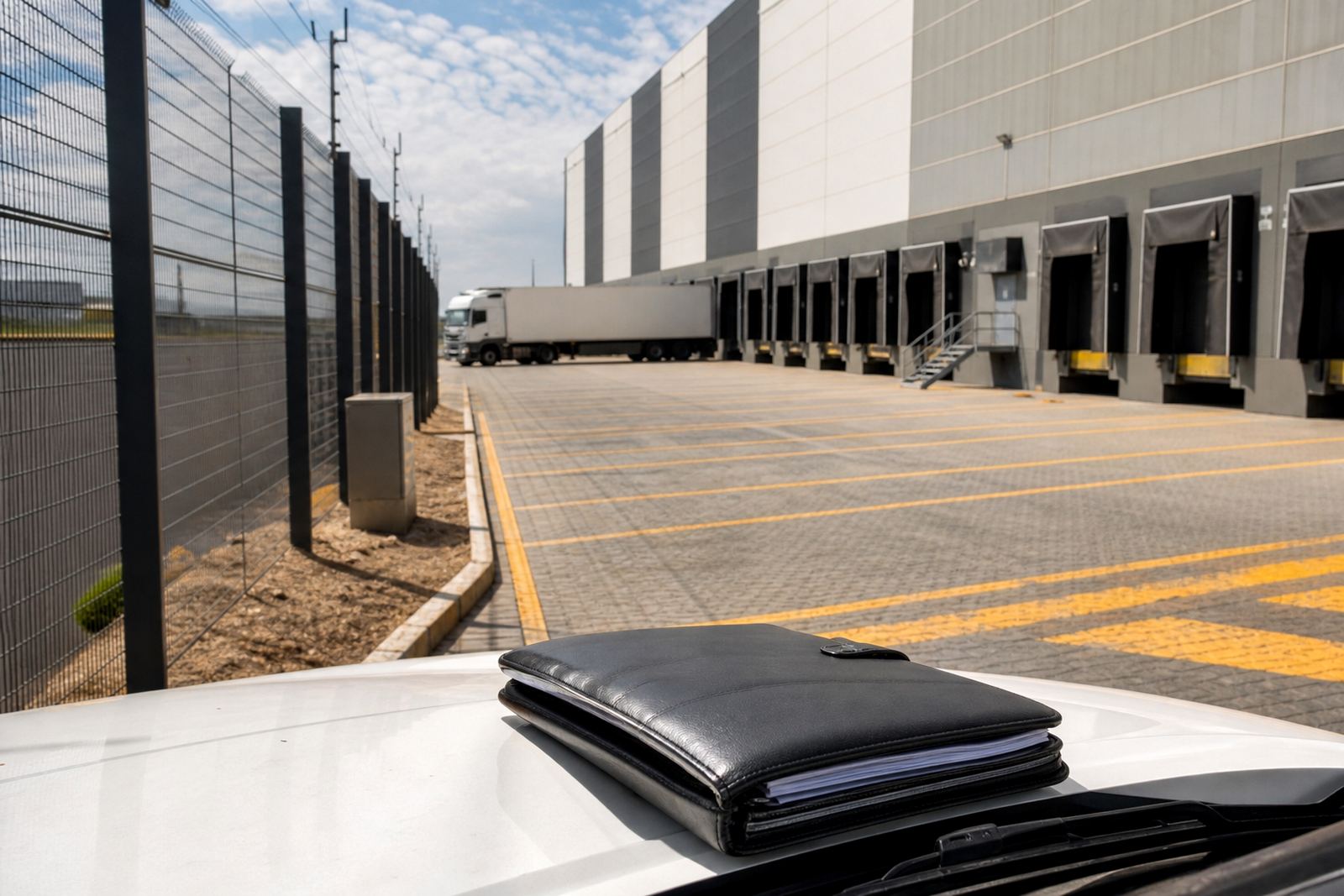
Buyer Brief for a Small Office Asset in Centurion
The buyer was looking at a compact office property in Centurion with the aim of holding it as an income asset. The concern was not only the asking price, but whether the building was fully occupied, whether the lease trail matched the current use, and whether there were any title or record issues that could affect transfer later on. In a market where office stock can sit vacant for months, those details matter.
The property was a modest sectional title office unit of about 220 square metres, with allocated parking and shared common areas in a low-rise business complex. The location was convenient for access to Pretoria and Midrand, but the buyer wanted clear proof of occupancy, current tenancy arrangements, and any red flags around ownership or municipal paperwork before moving ahead. The brief was straightforward: check the facts and reduce the risk of surprises after signature.
Constraints We Had to Work Within
The main challenge was timing. The buyer needed a decision within two weeks, while the seller was pushing for quick acceptance. There was also limited documentation available at the start, which meant some of the usual supporting papers had to be requested and matched against public records and field findings. That made the file more useful, but it also meant we had to work carefully and keep the process tight.
- Short decision window of 2 weeks
- Partial document pack at the start
- Need to confirm occupancy on site
- Need to check title-linked and municipal details
- Buyer wanted plain findings, not a long generic summary
There was also a practical issue common to Gauteng office assets: power interruptions and building access arrangements can affect what can be checked and when. We planned the field visit around business hours, made sure the visit could be completed with suitable access, and kept the report format clear so the client could use it in a negotiation without digging through pages of background material.
What We Supplied and Checked
We combined company and property due diligence so the buyer could assess both the asset and the parties involved in the transaction. Our review covered ownership verification, property record searches, director profile research where relevant, occupancy checks, document gap review, adverse media research and a transaction file audit. We also included field verification to confirm what was actually on site.
On the property side, we checked the title-linked information against available records, the sectional title setup, occupier details, and whether the unit’s practical use matched the paper trail. On the company side, we reviewed the seller entity and its registered profile to identify anything that could slow transfer or complicate contract handling. The report was customised so the buyer could read it quickly and still see the supporting detail behind each conclusion.
- Ownership and record review for the office unit
- Occupancy check to confirm who was using the space
- Field verification at the Centurion address
- Document gap review to flag missing papers
- Adverse media and risk screening on the parties involved
- Custom summary for an offer decision
Field Verification in Centurion and Surrounds
Our field verification team visited the property and confirmed the day-to-day condition of the office space, the visible occupancy pattern, parking allocation, and whether the unit appeared active as a working office. That mattered because the buyer had been told one thing verbally, but the signage, access control and practical use on site did not fully match that picture. The site visit gave the client a clearer view of what was actually happening.
The building was a small, well-located office complex with shared circulation areas and a simple fit-out. We noted that the unit was occupied in part, but not in the full way implied during the early sales discussions. There were also signs that some of the support documentation had not been kept in a tidy sequence, which could create delay during transfer or when a lender asks for a clean file. Nothing dramatic, but enough to warrant caution and proper follow-up.
Because the buyer was coming in from a lending perspective as well, we paid attention to the sort of matters that can hold up bond approval or legal processing: lease alignment, ownership clarity, and whether the transaction file had missing pages or mismatched details. A small office asset can look simple on paper, yet one gap in the file can cost time and money.
Timeline, Output and Key Result
The work was completed over 2 weeks from instruction to delivery. The first phase covered record retrieval and document comparison, followed by the field visit and then the final consolidation of findings into a client-ready report. The buyer received a concise report with a risk summary, supporting notes, and a practical recommendation on what required attention before acceptance. It was not a generic yes or no. It was the kind of document a buyer can take to an attorney or funder and use immediately.
- Week 1: file review, record checks and document gap scan
- Week 1 to 2: site verification and occupancy confirmation
- Week 2: report consolidation and risk summary
- Final output: customised due-diligence report for buyer decision-making
The main result was that the buyer was able to separate the real issues from the sales talk. The occupancy position needed clarification, and the title-linked paperwork required a bit more care than first expected. That allowed the buyer to tighten the offer conditions and avoid accepting the asset on incomplete assumptions. In practical terms, the report helped the client negotiate from a stronger position and avoid a messy surprise later on.
What We Would Do Again on a Similar File
If we handled a similar Centurion office purchase again, we would use the same approach: start with the records, verify the people and the property, then test the facts on site before the buyer commits. For office assets in Pretoria, Johannesburg or Sandton, that combination is often the difference between a clean purchase and a costly delay. The earlier the checks start, the more room there is to fix gaps without pressure.
We would also keep the report format tight and practical. A buyer does not need a broad lecture on the market, they need the facts that affect transfer, value and occupancy. That means clear findings on ownership, use, document gaps and any signs of risk. Where possible, we would add a short action list so the buyer knows what to ask for next.
- Start with record checks before the offer is finalised
- Confirm occupancy with a site visit, not only verbal assurances
- Review title and file completeness early in the process
- Keep lender-ready notes in the report where funding is involved
For this Centurion buyer, that approach worked well. The report gave enough detail to make a sound call without slowing the transaction unnecessarily, and it highlighted exactly where the buyer needed more protection before moving forward.
Key facts
| Client type | Private buyer of a small office asset |
|---|---|
| Town | Centurion, Gauteng |
| Asset size | About 220 square metres |
| Project duration | 2 weeks |
| Core checks | Ownership, occupancy, document gaps, adverse media |
| Outcome | Buyer clarified risks before offer acceptance |