A tight Midrand credit decision with little room for delay
The instruction came from a lender assessing a warehouse facility in Midrand, Gauteng, where the approval window was short and the credit team needed current, practical information rather than a broad marketing summary. The property sat in a busy logistics corridor with truck movement, security controls and tenant activity all affecting the lending view. The lender needed to know whether the asset, the ownership trail and the occupier profile all lined up before the file moved to committee.
The brief was simple on paper but demanding in practice: verify the warehouse, test the paper trail, check for obvious gaps, and flag anything that could affect enforceability or recoverability. The team wanted a report that could be read quickly, yet still give enough detail for a senior credit officer to defend the decision. That meant the work had to be accurate, current and neatly structured, not padded with irrelevant commentary. In Midrand, where industrial stock ranges from older light manufacturing units to newer distribution spaces, the details matter a great deal.
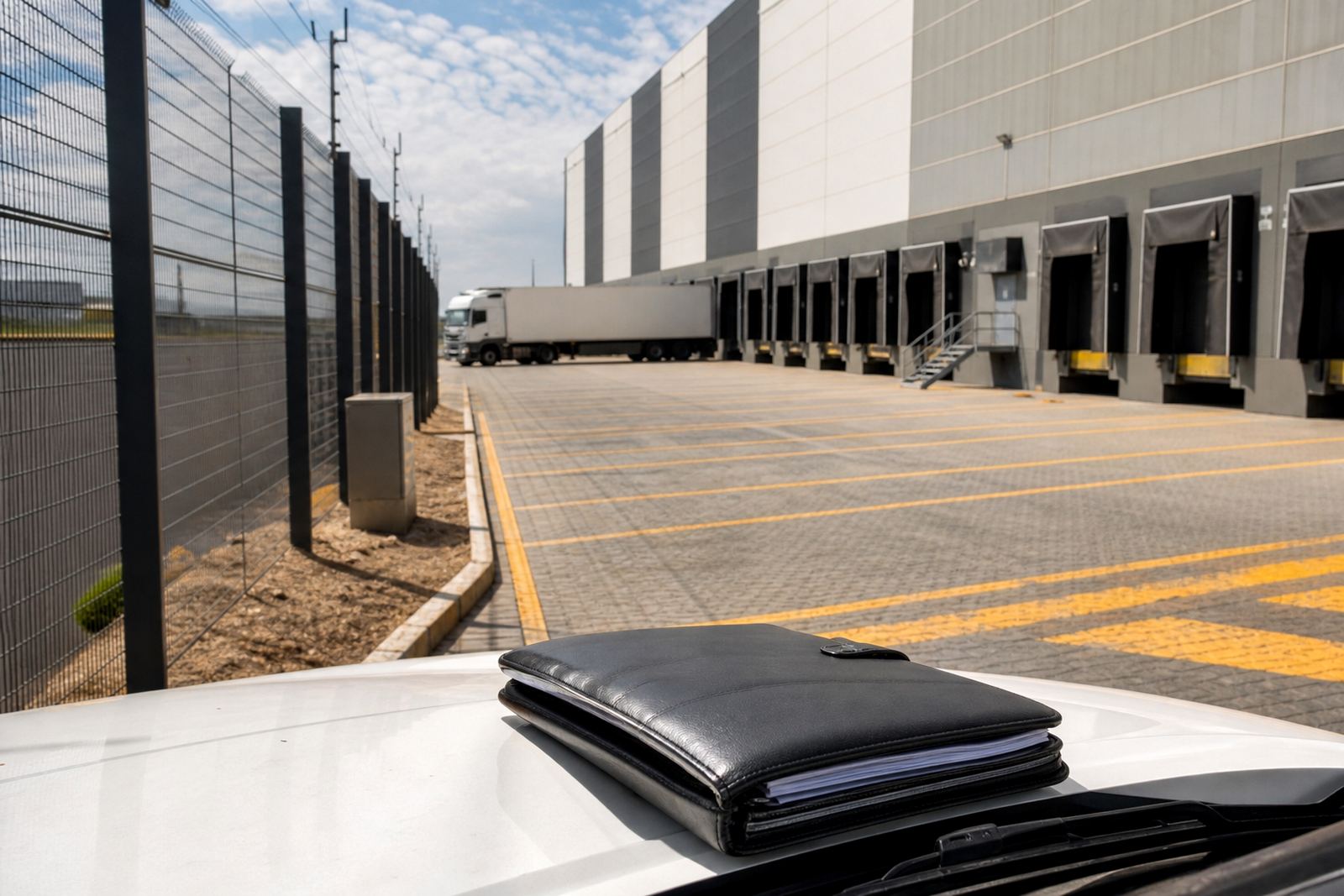
The property was used as a storage and distribution warehouse, with the main elements including a steel portal frame structure, roller shutter access, yard space for delivery vehicles and basic office support areas. The lender wanted confirmation on whether the facility matched what was stated in the application and whether the occupier appeared stable enough for the proposed finance terms.
What slowed the file down and what had to be tested
The main constraint was time. The lender needed the report within weeks, not months, and the decision could not wait for a slow, open-ended investigation. At the same time, the property sat in an area where change happens quickly, so older records alone would not have been enough. A warehouse can look sound from the road but still carry title, occupancy or compliance issues that only show up once the paperwork and on-site facts are compared.
We focused on the points most likely to affect a lender’s exposure. That included ownership verification, the company profile linked to the occupier, any adverse media connected to key parties, and whether the property use matched the stated business activity. We also checked for gaps in the transaction file and looked for signs that the site might be underused, sub-let or differently occupied than first presented. In a credit file, these are not small issues, they change the risk picture fast.
- Ownership and deed-linked checks to confirm the recorded holder and any mismatch in the file
- Director profile research for the operating entity where relevant
- Occupancy checks to confirm who was using the warehouse at the time of review
- Document gap review to identify missing or outdated supporting records
- Adverse media screening on the relevant parties and entity names
Field verification in an active logistics area
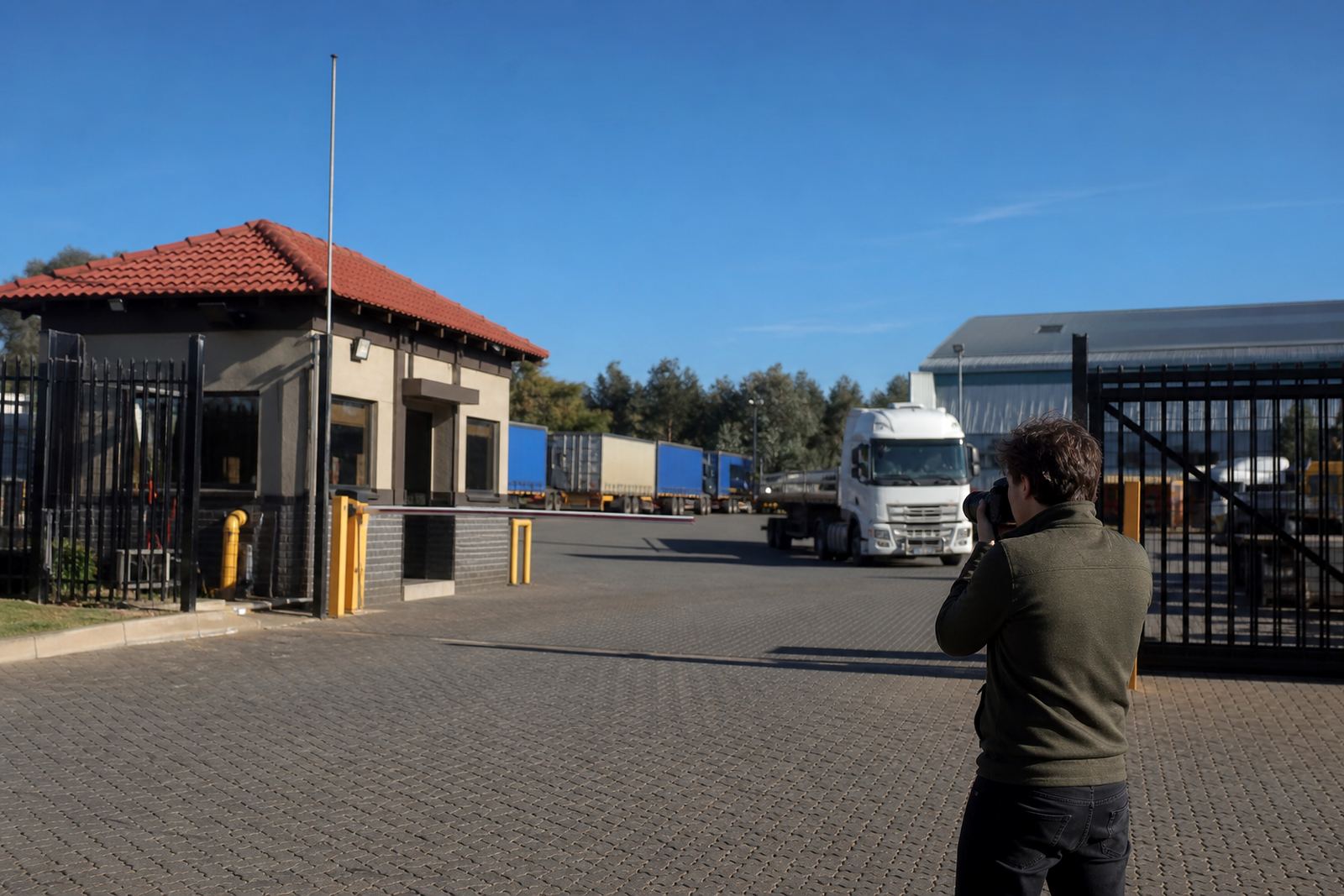
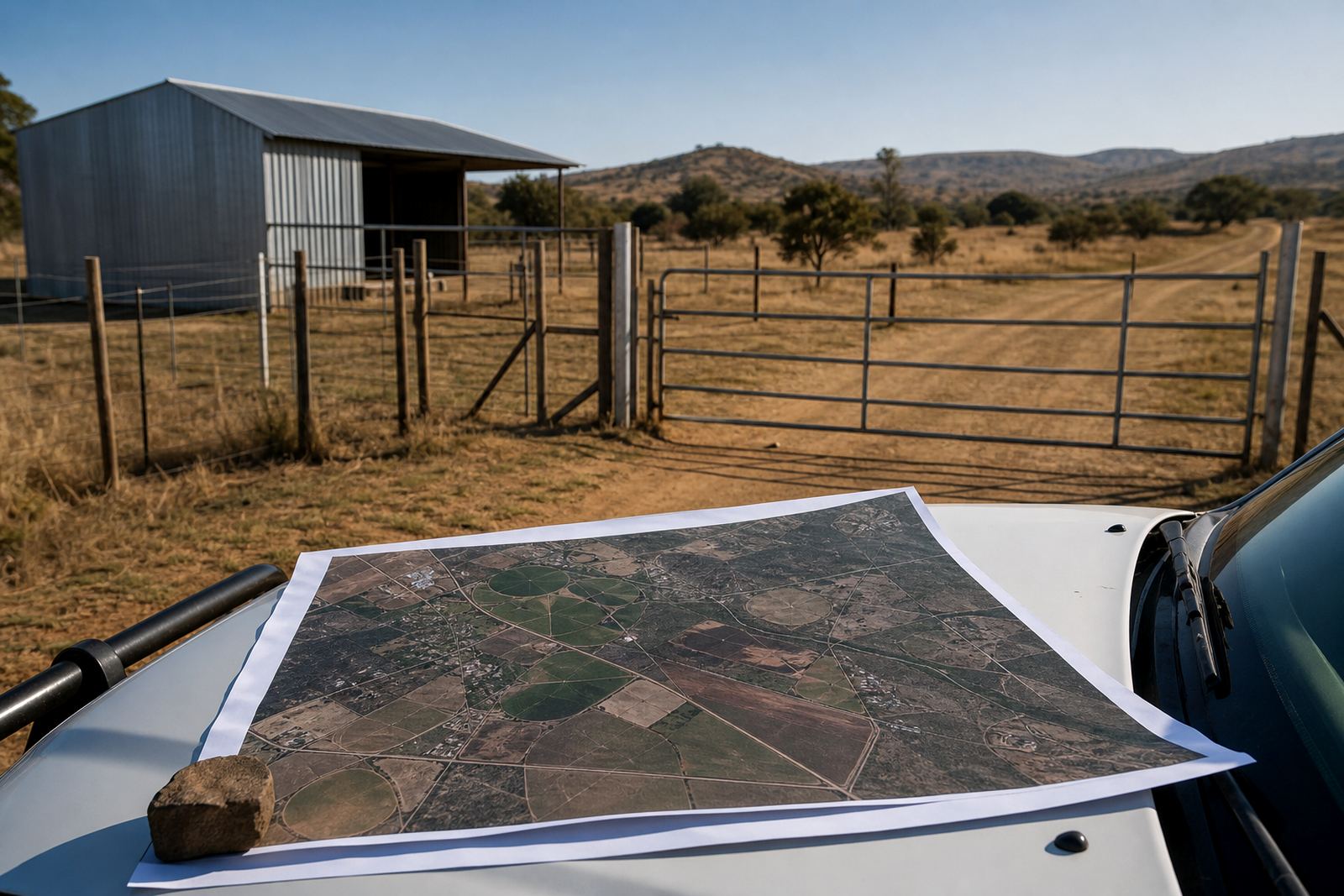
For the physical side of the instruction, we arranged field verification in Midrand and checked the site against the facts supplied. The warehouse was assessed for access, visible occupation, activity levels and whether the building presented as a functioning logistics asset. We also looked at the surrounding context, because in that part of Gauteng the road network, parking pressure and tenant mix can all influence operational performance.
The property showed the usual practical features expected of a working warehouse: clear vehicle access, loading movement, basic perimeter controls and signs of active use. The site visit helped confirm that the asset was not a dormant shell and that the occupier’s activity aligned with the lending brief. Where something did not match neatly, it was captured in plain language so the credit team could see what was verified and what still needed caution.
Because the lender was making a time-sensitive call, we kept the field output direct. No grand claims, no loose assumptions. Just the facts that matter when you are deciding whether a warehouse in Midrand supports a workable lending position or introduces avoidable risk.
How we turned the raw checks into a usable credit report
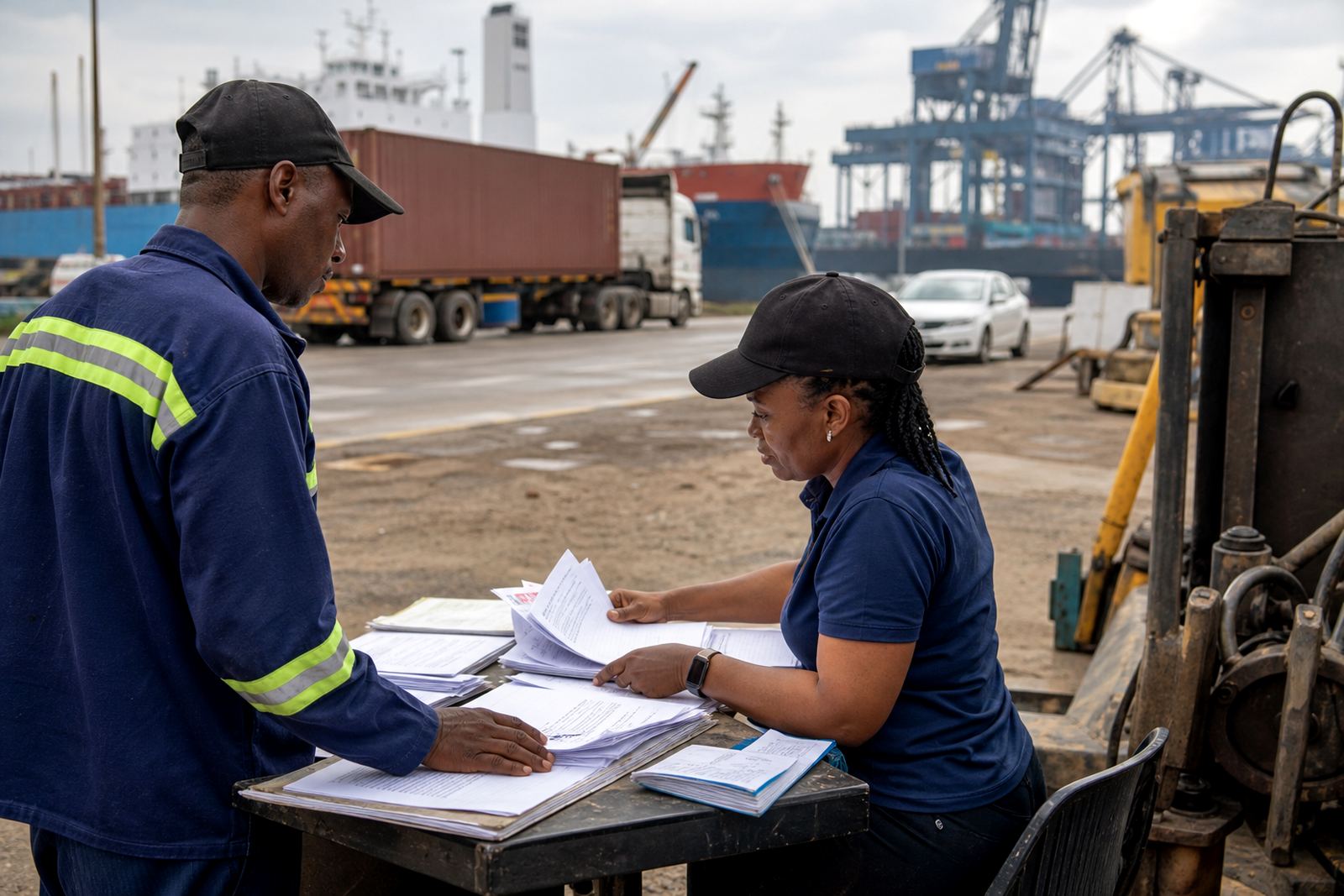
The report had to work for a lender, not a general reader. That meant we organised the findings into a format that could be reviewed quickly by credit, legal and risk staff without losing the underlying detail. We combined the ownership search results, company background checks and site verification notes into one file, then added clear risk flags where the evidence called for it.
We also used report customisation so the lender received the level of detail they needed for internal approval. Some clients want a short executive summary, others need a fuller annexure with support notes. In this case, the brief called for enough substance to support a committee pack while still keeping the report practical for day-to-day use. The final document was structured so the key call points stood out at the top and the supporting material sat underneath.
- Property record search and ownership verification
- Company background checks on the linked entity
- Site visit verification and occupancy checks
- Transaction file audit for missing supporting documents
- Risk notes written in lender-friendly language
Timeline, outcome and what the lender got from it
The assignment was completed over a short three week period, which included benchtop research, verification steps and final quality review. That timeframe suited the credit deadline and gave the lender enough substance to move the file forward without waiting on late information. The value of the exercise was not only in confirming what was present, but in showing where the file needed caution before approval.
The final outcome was a clearer credit view of the warehouse and the parties involved. The lender received a report that made the main exposures easy to identify, including ownership consistency, occupancy position and any file gaps that could affect future enforcement. It helped the decision team reduce uncertainty and gave them a cleaner basis for either approval, conditional approval or further enquiry. That is often the difference between a rushed decision and a properly tested one.
One useful result was that the lender could see the property as a live asset rather than just a line in an application. That matters in warehouse finance, especially in Midrand where tenants can move quickly and operating conditions can change with load-shedding, transport pressure and local municipal process delays. A report that is current and practical gives the credit team something they can actually use.
What we would repeat on the next warehouse instruction
If we handled the same instruction again, we would follow the same pattern because it worked well under pressure. Start with the ownership and company checks, confirm the occupier on site, then build the report around the points that affect recoverability and lending risk. That sequence keeps the work focused and avoids wasting time on details that do not change the credit call.
For warehouse due-diligence work in Gauteng, especially in active nodes like Midrand, Pretoria East and Sandton fringe industrial areas, the same principles apply: verify first, write plainly, and keep the report usable for the people who must sign off the deal. Our team in Centurion is set up to support buyers and lenders across South Africa with this kind of practical file work, whether the need is a company background check, a property record search or a full transaction file audit.
In this case, the lender got a concise, reliable report at speed, with enough depth to support a real approval decision. That is the standard we aim for on every warehouse instruction, and it is why these reports continue to be useful long after the first committee meeting.
Key facts
| Project | Midrand warehouse lender due-diligence report |
|---|---|
| Client type | Commercial property lender |
| Town | Midrand, Gauteng |
| Timeline | 3 weeks |
| Property type | Warehouse with yard and office component |
| Key outputs | Ownership verification, occupancy checks, site visit, risk notes |