What the buyer needed before signing
The client was a private buyer based in Pretoria looking at an agricultural holding outside Nelspruit for mixed-use farming and future improvements. Their lender needed a clear picture of the asset before final approval, because the deal involved a sizeable land parcel, outbuildings and a transfer process that depended on clean records and practical site knowledge.
The brief was straightforward: confirm who controlled the holding, what stood on the land, whether access was fit for purpose, and if there were any issues that could slow transfer or affect value. The property sat in a part of Mpumalanga where distances can be long, cell signal can vary, and roads after rain can tell you more than a brochure ever will.
- Buyer type: private agricultural purchaser
- Area: Nelspruit, Mpumalanga
- Asset: farm holding with structures and access tracks
- Purpose: transfer support for buyer and lender
Why this holding needed extra checking
Agricultural transfers need more than a title reference and a copy of the seller pack. Access points, boundary understanding, water use indicators, staff occupancy and old improvements can all carry risk. On this holding there were also practical concerns around seasonal road condition, whether the main gate line matched the occupation pattern, and if any structures had been added over time without tidy paper trail.
We found that the site had a working access route, but the usage did not match every point shown in the file set, so the team had to verify the on-ground position carefully. The holding also had a mix of permanent and lightweight structures, which made it important to record what was in use and what looked dormant. In our experience, that kind of detail often makes the difference between a smooth transfer and a messy one, especially when there is pressure to conclude within a fixed finance period.
- Access route and gate position checked against file information
- Structures recorded by type and apparent use
- Occupancy indicators noted for lender review
- Holding-specific risks logged for transfer decisioning
How we handled the file and field work
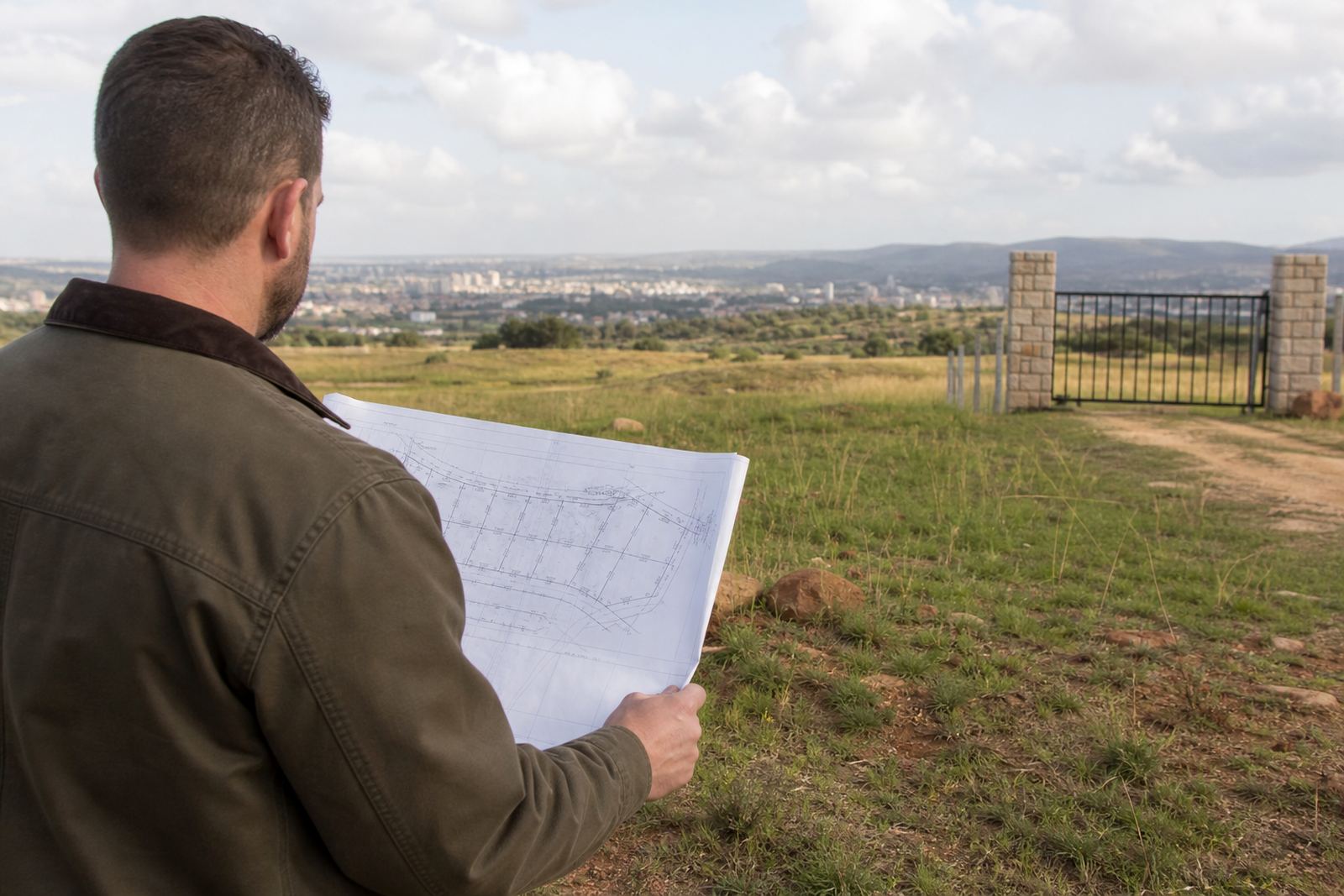
We split the work into record review and field verification. The records phase covered ownership clues, registered and unregistered references supplied by the client, and any obvious gaps in the transfer pack. We also checked for concerns that would matter to a lender, such as incomplete supporting documents, unclear occupier status, or inconsistencies between the transaction story and the site layout.
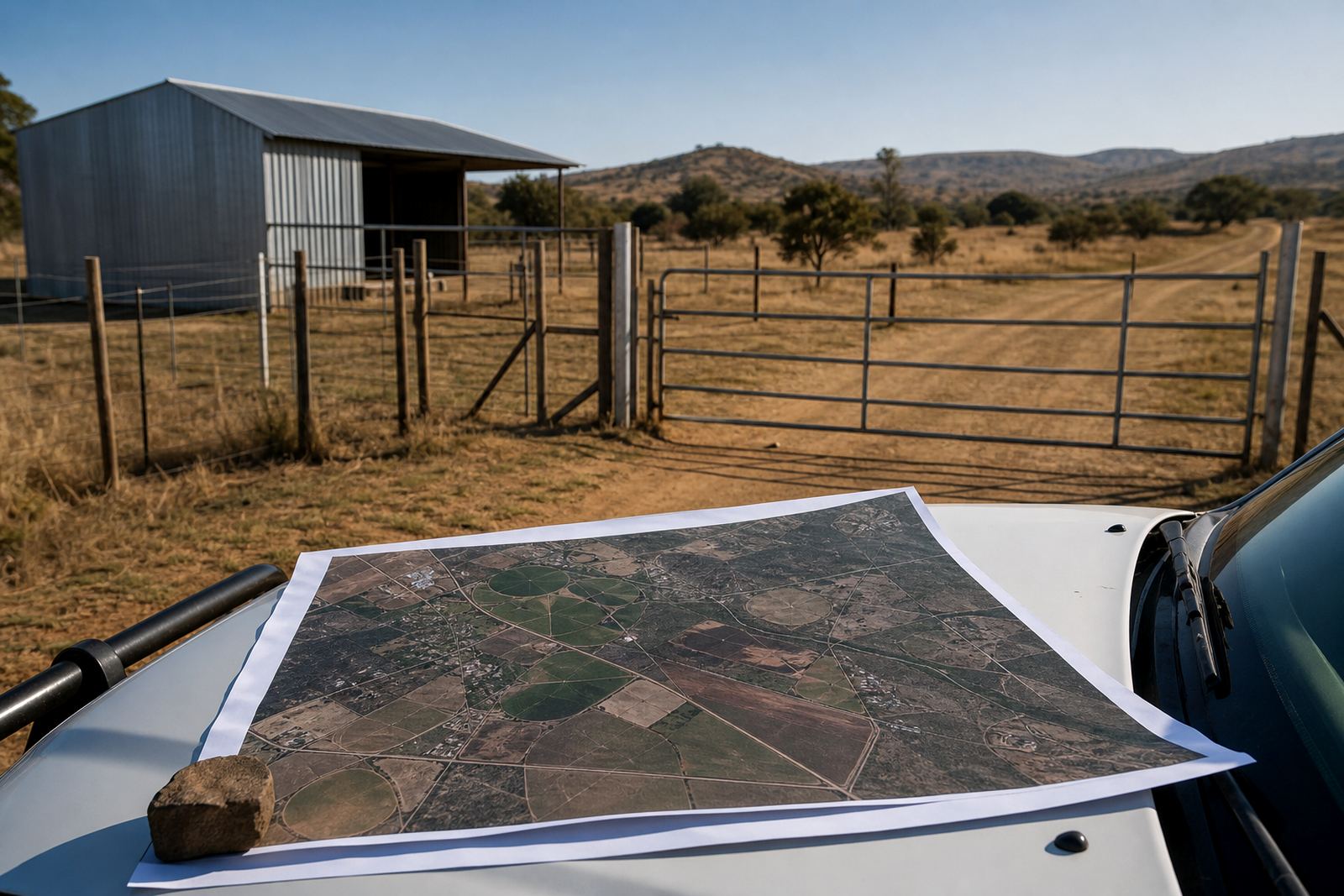
Field verification was done on a practical basis. The team visited the holding, confirmed access points, noted the visible structures, and checked for signs of active use. Where the site and paperwork did not fully line up, we flagged it rather than trying to force a neat answer. That is the point of the work, really: give the buyer and lender a clear view so they can make a proper call.
- Document gap review completed before site visit
- Site verification focused on access, buildings and use
- Occupancy observations recorded
- Issues logged in plain language for decision makers
Timeline from instruction to report issue
The assignment ran over two weeks from instruction to final delivery. The first week was used for records review, questions back to the client and arranging the field visit. The second week covered the site check, risk scoring, report drafting and quality review. That schedule worked well because the client needed the result quickly but not at the expense of accuracy.
For a farm transfer, timing matters. If a lender is waiting on due diligence, the deal can stall and costs start to rise. We kept the process moving with clear checkpoints and quick feedback, and the client got a report that could be used in the next approval step without having to chase missing detail. A good due-diligence file should reduce noise, not add to it.
- Week 1: instruction, document review, clarification requests
- Week 2: site verification, analysis and report finalisation
- Total turnaround: 2 weeks
What the report showed for this transfer
The final report gave the client a practical view of the holding and the transfer risks that mattered most. Access was confirmed, but we noted that the route and site layout should be kept under review if improvements or boundary work were planned later. The structures were documented in a way that helped the buyer understand what they were taking on and what still needed attention after transfer.
From a lending angle, the report supported a more disciplined decision. It set out the holding risks in a format that could be read quickly by the credit team, while still giving enough depth for follow-up questions. The result was not a sales pitch, it was a working document that helped all sides understand the asset properly. That saved time, and in a transfer process time is money. The buyer also gained confidence that the file matched the real site position rather than just the seller narrative.
- Access and holding control clarified
- Structures and occupancy noted for valuation context
- Risk points highlighted for lender use
- Decision support delivered in a concise report format
What we would do again on a similar farm deal
If we were briefed on a similar agricultural transfer again, we would take the same approach: start with a file gap review, get the site visit locked in early, and compare the physical holding against the transaction story before the finance deadline tightens. For rural properties, that early alignment matters because a small issue with access, occupation or unrecorded improvements can become a bigger issue once the conveyancing moves ahead.
We would also keep the lender involved on any material issue, rather than waiting until the end of the process. That keeps expectations clear and avoids last minute surprises. Around Nelspruit and across Mpumalanga, farm assets can be perfectly sound but still need careful documentation, especially where the land use is mixed or the improvements have changed over time. The report worked because it stayed practical and specific.
- Start with documents, then verify on site
- Keep the lender informed on material issues
- Record what is visible now, not what was assumed earlier
- Use plain findings to support transfer decisions
Key facts
| Project | Nelspruit farm transfer due-diligence report |
|---|---|
| Client type | Private buyer with lender review |
| Location | Nelspruit, Mpumalanga |
| Turnaround | 2 weeks |
| Core focus | Access, structures and holding risks |
| Delivery | Property and transfer risk report |