Retail purchase brief in Pretoria East
The client was a private retail investor in Gauteng looking at a convenience-style centre in Pretoria East. The site was already trading, but the buyer wanted a clear view of who was in the line-up, how stable the occupation looked, and what the surrounding suburb was doing from a footfall and spend point of view.
The brief was to test the asset from a lender-style angle as well as an investor angle. That meant checking the trading mix, lease signals, ownership records, occupancy, visible condition and any red flags that could affect income continuity. Pretoria East can look strong on paper, but trading strength changes quickly between residential nodes, arterial roads and smaller pocket centres.
- Asset type: neighbourhood retail centre
- Location focus: Pretoria East, Gauteng
- Client type: private investor
- Main concern: tenant stability and vacancy risk
- Use case: purchase decision support
What made this site worth checking carefully
The site had a mixed tenant base with food, service and daily-needs uses, which usually supports repeat visits. But the client wanted more than a tenant list. They needed to know whether the tenant mix was balanced enough, whether any units were sitting vacant or lightly occupied, and whether the surrounding trade area could carry the centre through slower trading periods.
Constraints included limited time before the decision date, a need to avoid reliance on surface-level marketing material, and the reality that some information had to be checked against records rather than assumed from what was visible at the site. In retail, one empty unit can be a small issue or the start of a pattern, so the context matters.
- Time pressure before offer finalisation
- Need for independent verification, not only seller information
- Focus on income continuity rather than cosmetic appeal
- Review of surrounding road access and local trade draw
What we checked and how we pulled it together
We prepared a structured due-diligence pack that combined company and property checks with field verification. The report was written for a buyer who needed practical answers, not a marketing summary. We examined the ownership trail, tenant occupancy signals, site condition, and any issues that could affect collection risk or future leasing.
Our team also reviewed the broader suburb context. Pretoria East retail trades differently from central CBD stock, so we looked at nearby residential density, access routes, visible competition and whether the centre sat inside a sensible consumer catchment. Where documentation was incomplete, we flagged the gaps and noted what still needed to be requested before signature.
- Ownership verification and property record search
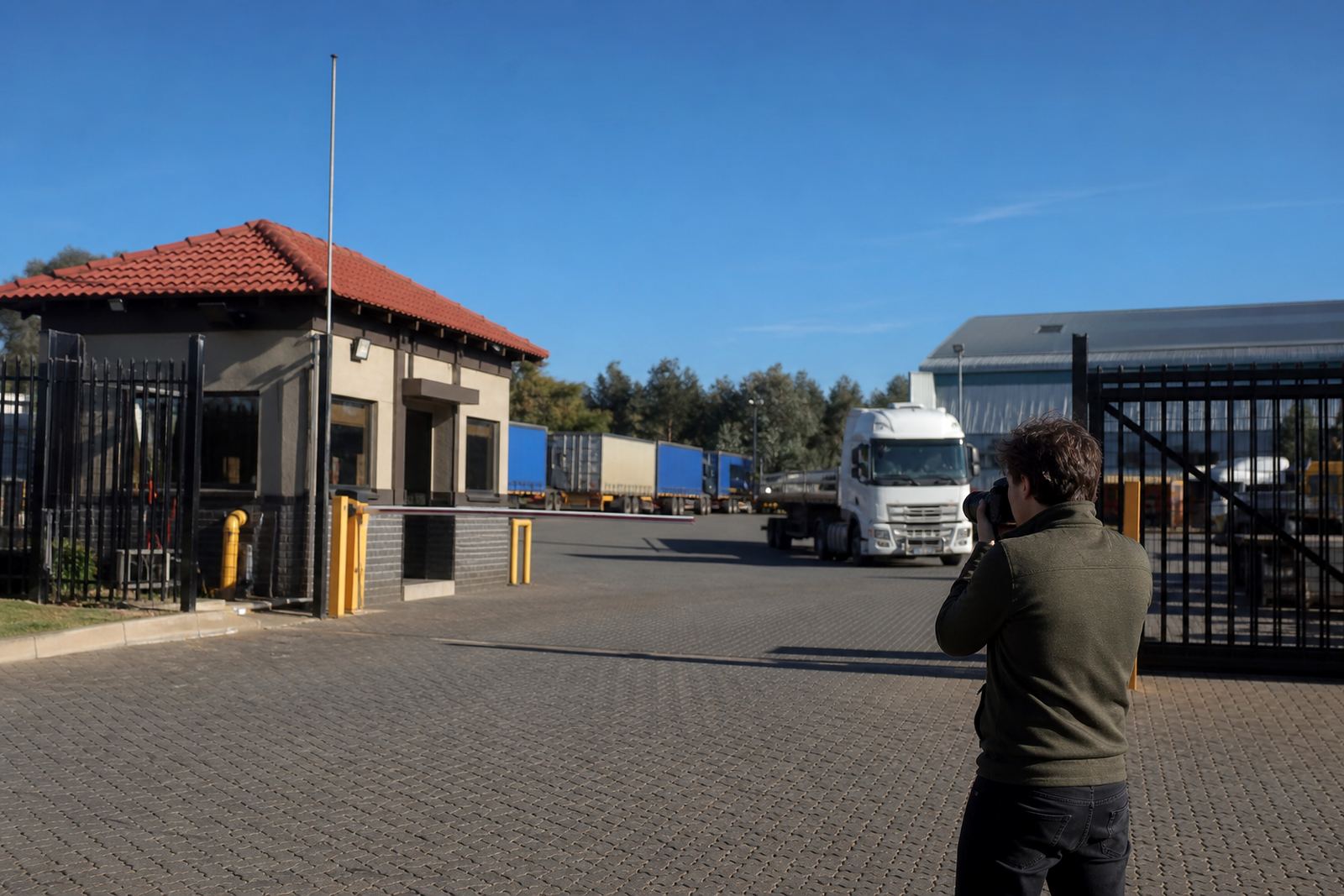
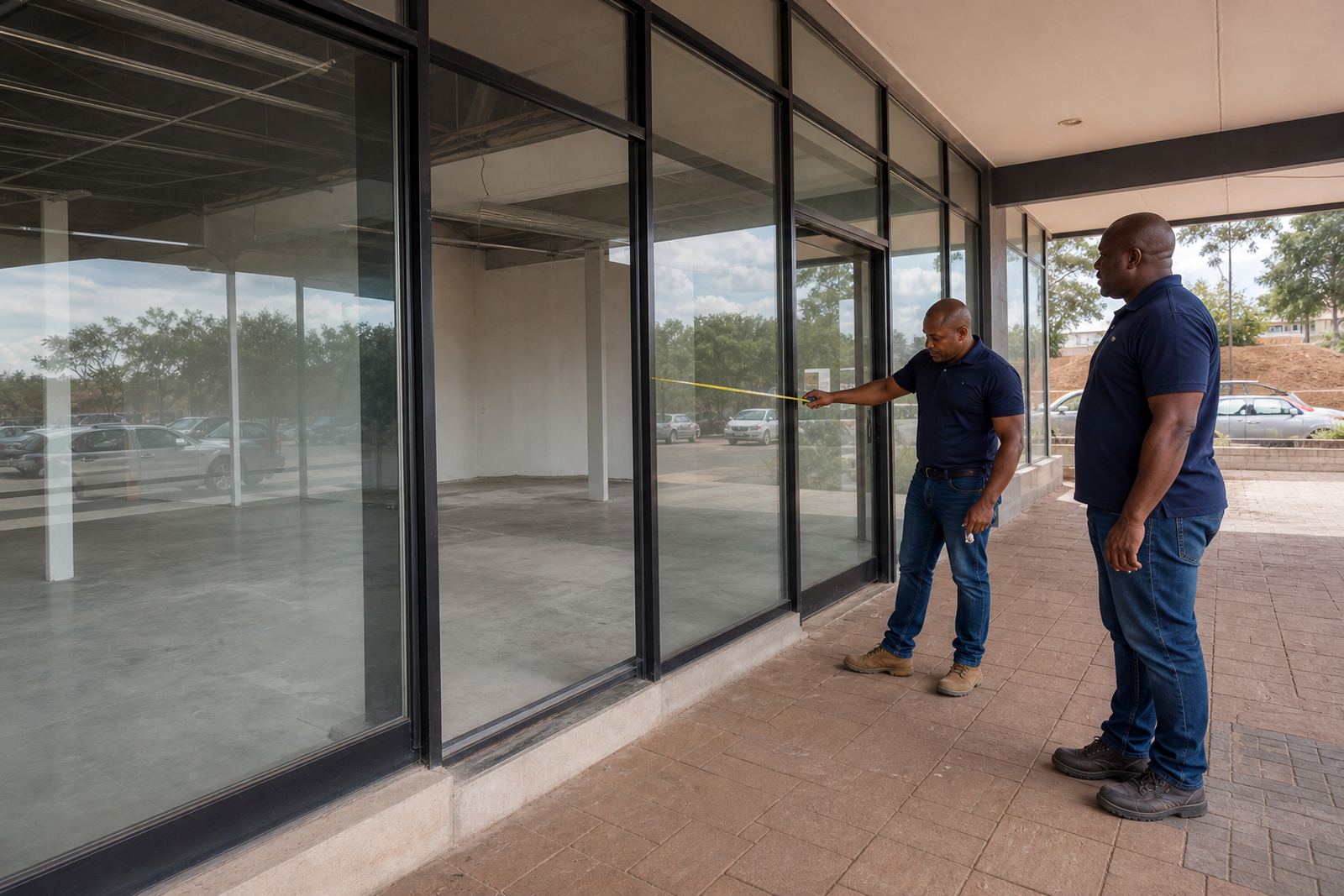
- Occupancy check and site visit verification
- Document gap review for lease and title file items
- Adverse media and transaction file review
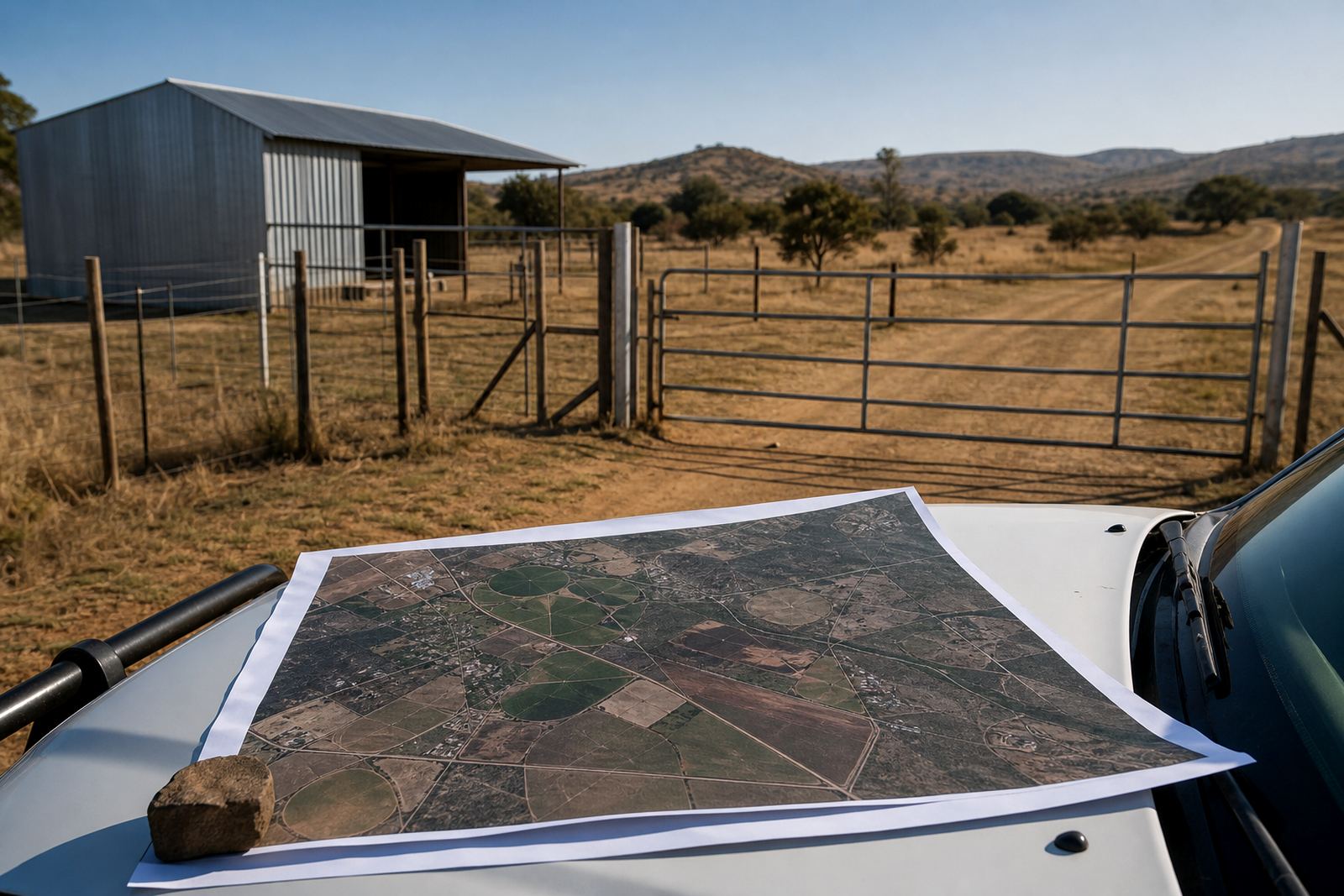
- Suburb trading context and access assessment
Timeline and delivery in two weeks
The assignment was completed over two weeks. The first phase covered records review and issue mapping, followed by field verification and final report assembly. That pace suited the transaction because the buyer needed a clear yes-or-no view before the next negotiation step.
We kept the report format simple enough to use in a meeting, but detailed enough for a lender or advisor to interrogate line by line. The client received a structured document with findings, risk notes and a practical list of follow-up questions for the seller side. There was no need to wade through fluff or untested assumptions.
- Week 1: records review and issue list
- Week 2: verification, analysis and final report
- Delivery: concise findings with supporting detail
- Format: investor-friendly, lender-aware
What the buyer learned from the report
The report helped the investor understand that the centre’s value was not only in the location, but in the tenant blend and the way the property was holding its day-to-day trade. Vacancy indicators were read alongside trading context, so the buyer could judge whether the asset was under pressure or simply moving through normal turnover.
The biggest value was clarity. The buyer could see where the risk sat, which items were acceptable for a deal of this type, and which points required further negotiation. The report also gave a better sense of how Pretoria East performs as a retail pocket, especially where access, local traffic and residential support all matter at once.
- Better view of tenant mix quality
- Clearer reading of vacancy risk
- Improved understanding of suburb trade support
- Useful negotiation points for price and conditions
What we would do again on a similar deal
On a similar Pretoria East retail acquisition, we would follow the same approach: verify the property trail early, inspect the occupation carefully, and test the suburb context before the buyer commits to numbers. That order matters because retail assets can look solid until a lease gap, an access issue or a weak trade node changes the picture.
We would also keep the request list tight from the start so the seller side knows exactly what is needed. That saves time and avoids back-and-forth. In a deal like this, the best outcome is a report that helps the buyer move with confidence, or step back before a costly mistake. Small issue can become a big one if it is missed early.
- Start with title, ownership and occupancy checks
- Match tenant quality to the suburb’s trading pattern
- Request documents early to avoid delays
- Use the report for pricing, conditions and lender discussion
Key facts
| Project type | Retail due-diligence report |
|---|---|
| Town | Pretoria East, Gauteng |
| Client type | Private retail investor |
| Timeline | 2 weeks |
| Core focus | Tenant mix, vacancy indicators and suburb trading context |
| Service stack | Property record searches, occupancy checks, site visit verification, document gap review |