
What the lender needed before approval
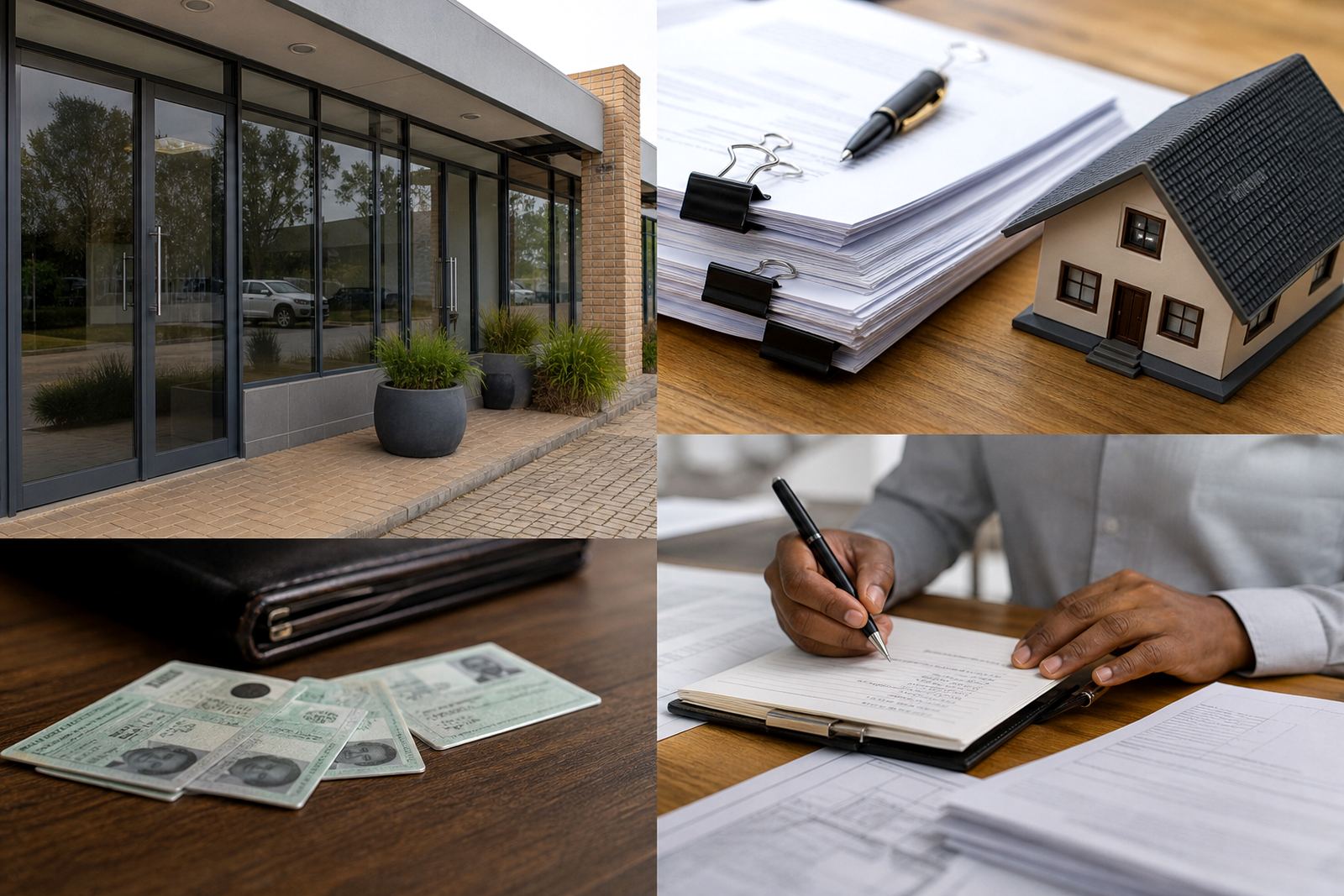
The brief came from a lender looking at a funding request for a factory property in Roodepoort, Gauteng. The site was being presented as a working industrial asset with tenant activity, storage areas and enough operational value to support the loan. The lender wanted a practical due-diligence report, not a sales summary, and needed it fast enough to keep the deal moving.
We were asked to confirm ownership details, check the property record, assess occupation at site level and flag anything that could affect recoverability if the borrower defaulted. That meant looking beyond the title deed information and asking whether the property could actually perform as described under normal trading conditions, including load-shedding, access control, and the kind of wear and tear that comes with light industrial use.
- Client type: lender assessing a funding request
- Town: Roodepoort, Gauteng
- Asset type: industrial factory property
- Purpose: practical risk review before approval
Why this property needed more than a standard search
Industrial properties can look straightforward on paper, but the real risk often sits in the small details. In this case the lender was not only concerned with ownership and occupancy, but with whether the site had the kind of documented history that supports a secure funding decision. That included the condition of supporting paperwork, whether the occupation matched the application, and whether there were signs of underused space or informal subletting.
Roodepoort has a mix of older industrial areas and active logistics pockets, so we also considered access, road condition, yard use and the practical flow of vehicles in and out of the site. For a lender, those details matter because a factory with poor access or patchy documentation can become harder to value, insure and exit if the loan needs to be enforced.
- Ownership verification against available records
- Occupancy checks to confirm who was on site
- Document gap review for missing or inconsistent records
- Field verification to test the actual operating picture
What we checked on the ground and in the file
We prepared a property due-diligence pack that combined record searches, field verification and a focused risk read. The report covered title-related information, owner consistency, site occupation, visible operational use and any obvious discrepancies between what was said and what could be confirmed. Where documents were incomplete, we noted the gap and set out the likely lending impact in plain language.
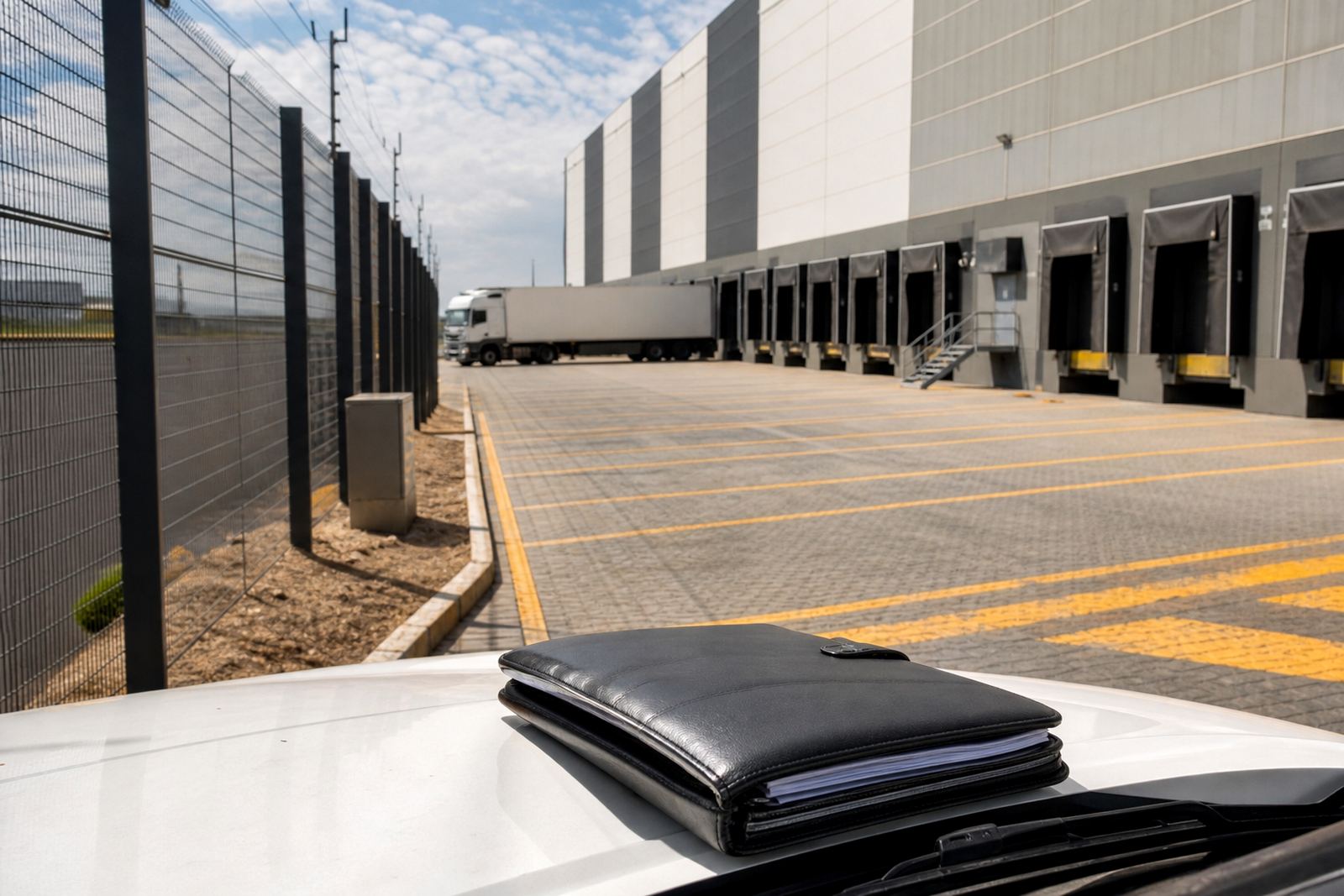
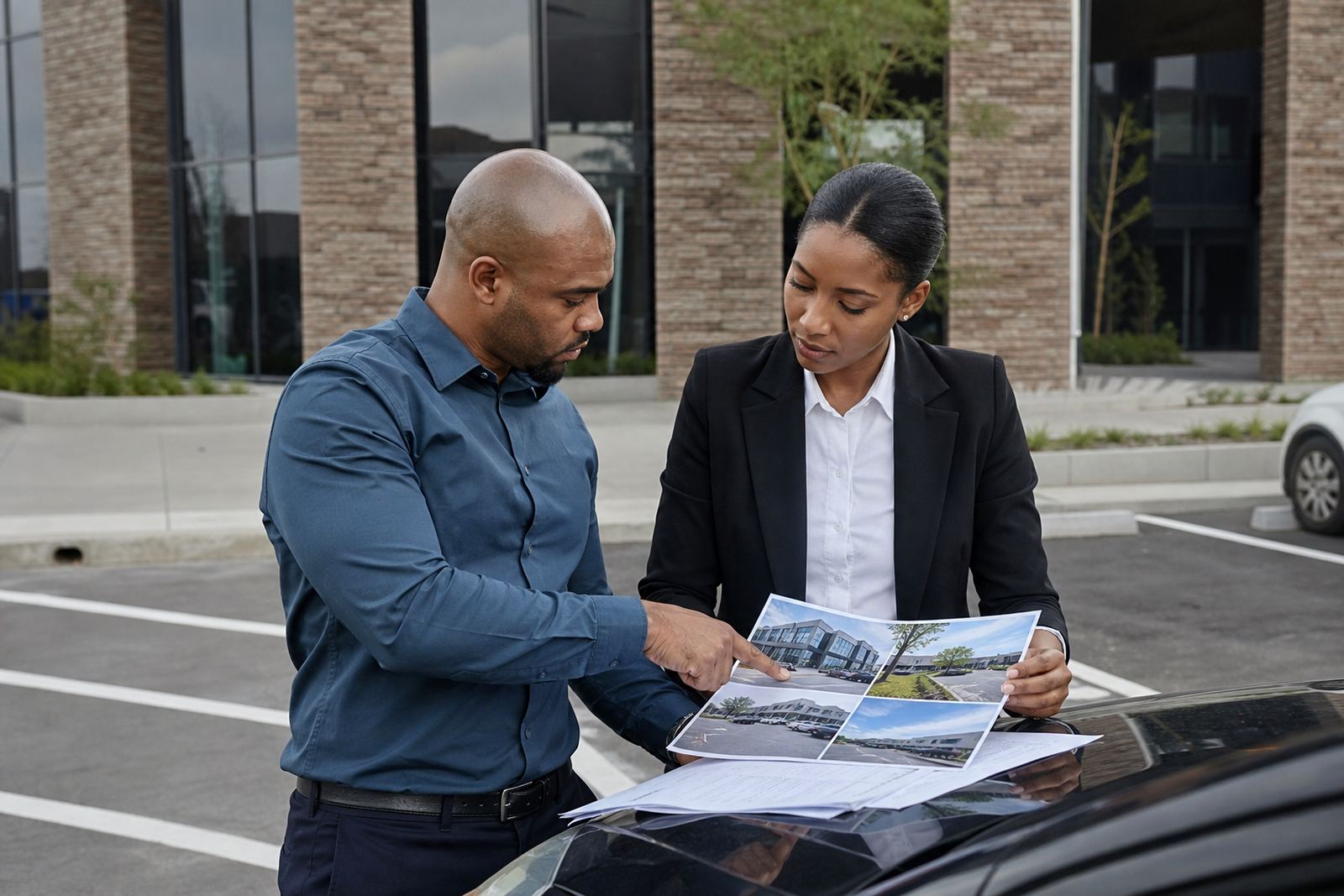
The site visit focused on practical matters: whether the property appeared occupied, whether there was active industrial use, and whether the access arrangement and yard space matched the stated purpose. We also considered environmental and municipal realities that can affect industrial assets in the West Rand, such as intermittent power interruptions, stormwater run-off, and the need for proper compliance with use rights and loading arrangements.
Because the lender wanted a decision-ready report, we summarised the findings in a structure that could be used by credit, legal and security teams without extra interpretation.
Report structure and the evidence we supplied
The final output was tailored to the funding request and organised so the lender could review the material quickly. It included a concise risk view, supporting notes from the property record search, and a section dealing with any inconsistencies that could affect the transaction. When a file is incomplete, the value lies in showing exactly what is missing and whether the gap is minor or material. That is often where a lender saves time and avoids trouble later.
The report included:
- Property record search findings
- Ownership verification and name matching
- Occupancy observations from site verification
- Document gap review with lender impact notes
- Practical risk flags linked to industrial use
- Custom summary for internal credit review
We also included a clear note on what could still be verified before drawdown if the lender wanted a stronger position. That kind of practical follow-up is useful when a deal is live and everyone wants certainty without delay.
Timeline and turnaround on the Roodepoort file
The work was completed over two weeks from instruction to final delivery. The first week covered the records search, owner matching, document review and planning for the site visit. The second week focused on field verification, final quality checks and delivery of the finished report.
That turnaround suited the lender because the application was time sensitive and the decision window was tight. Industrial finance often moves in stages, and one missing confirmation can hold up the whole process. By keeping the file moving and giving updates at each stage, we helped the client keep momentum without compromising the checks.
- Week 1: records, ownership and file review
- Week 2: site verification and final report issue
- Total turnaround: 2 weeks
What the lender got from the exercise
The main result was clarity. The lender received a report that showed the property as a live industrial asset rather than just a line in a finance application. The file helped them weigh the site risk against the funding request and identify where the security was strong and where further caution was needed.
In practical terms, the report gave the credit team a better basis for discussion with the borrower, and it reduced the risk of relying on paperwork alone. It also gave the lender a record they could keep in the deal file for audit and compliance purposes, which matters when funding decisions are later reviewed.
From our side, the process confirmed that a good due-diligence report for industrial property should answer the same question from several angles: who owns it, who uses it, what is missing, and how easily the asset could be realised if things go wrong. That is the level of checking we would repeat on a similar Roodepoort factory file any day.
What we would do again for a similar factory deal
For the next similar instruction, we would follow the same approach but push even harder on file completeness before the site visit, especially where the borrower’s paperwork is dated or where the property has multiple users. We would also pay close attention to any signs of informal occupation, storage overflow, or access issues that can affect both valuation and enforcement.
For lenders working with industrial assets in Roodepoort, Pretoria West, the East Rand or similar areas, the useful question is not only whether the property exists and who owns it. It is whether the property can support the loan in real terms, under normal operating pressure and in less favourable conditions too. That is the standard we used here, and it is the one we would use again.
- Start with ownership and occupancy, then test the site facts
- Check for missing documents early, before approval pressure builds
- Keep the report practical enough for credit, legal and security teams
Key facts
| Project | Roodepoort Factory Finance |
|---|---|
| Location | Roodepoort, Gauteng |
| Client type | Lender |
| Asset type | Industrial factory property |
| Turnaround | 2 weeks |
| Core services used | Property Record Searches, Ownership Verification, Site Visit Verification, Document Gap Review, Report Customisation |