Commercial Lease Brief in Soweto
The client was a private commercial landlord based in Gauteng, with a multi-unit property in Soweto that had been vacant for a short period after a previous occupant moved out. The new prospective tenant had applied for a medium-term lease and the landlord wanted a proper view of the tenant profile before finalising the arrangement. The request was straightforward: confirm who the tenant was, whether the trading position made sense for the proposed occupation, and whether the property and documents matched the story being presented.
The site was in a busy mixed-use pocket where access control, loading times and municipal compliance can matter as much as the rental itself. The landlord had already done the usual viewing and informal checks, but wanted something firmer before signing. We were asked to assess the tenant, check the property record, review the paperwork supplied, and flag any gaps that could affect the lease. Turnaround was needed in under two weeks because the landlord had a move-in date in mind and did not want delays once the fitout schedule started.
- Location: Soweto, Gauteng
- Client type: private commercial landlord
- Transaction type: commercial lease screening
- Timeframe: 1 week for field work and 4 working days for final reporting
- Purpose: reduce leasing risk before signature
What We Needed to Check Before Lease Signature
The landlord wanted a tenant profile report, but the brief went beyond a simple background note. We mapped the request into five parts: identity and trading profile, occupancy and site use, document consistency, adverse information, and any practical risk that could affect rental performance. That included confirming that the business activity proposed for the premises fit the zoning and the surrounding use, since Soweto sites can have a mix of retail, storage and service operations on one erf.
There were a few constraints. The tenant had limited recent public information available, some documents were scanned copies with poor legibility, and the landlord did not want the process to slow down the lease negotiations. Also, because the premises had been partly occupied in the past, it was important to separate what was current from what was historical. We had to keep the check focused and accurate, not just broad. A rushed lease can cost a lot more than a careful one, especially where utility responsibility and access terms are unclear.
- Identity and trading confirmation
- Occupancy and use verification
- Document gap review
- Credit and adverse media screening
- Lease risk notes for the landlord
Research, Field Verification and Document Review
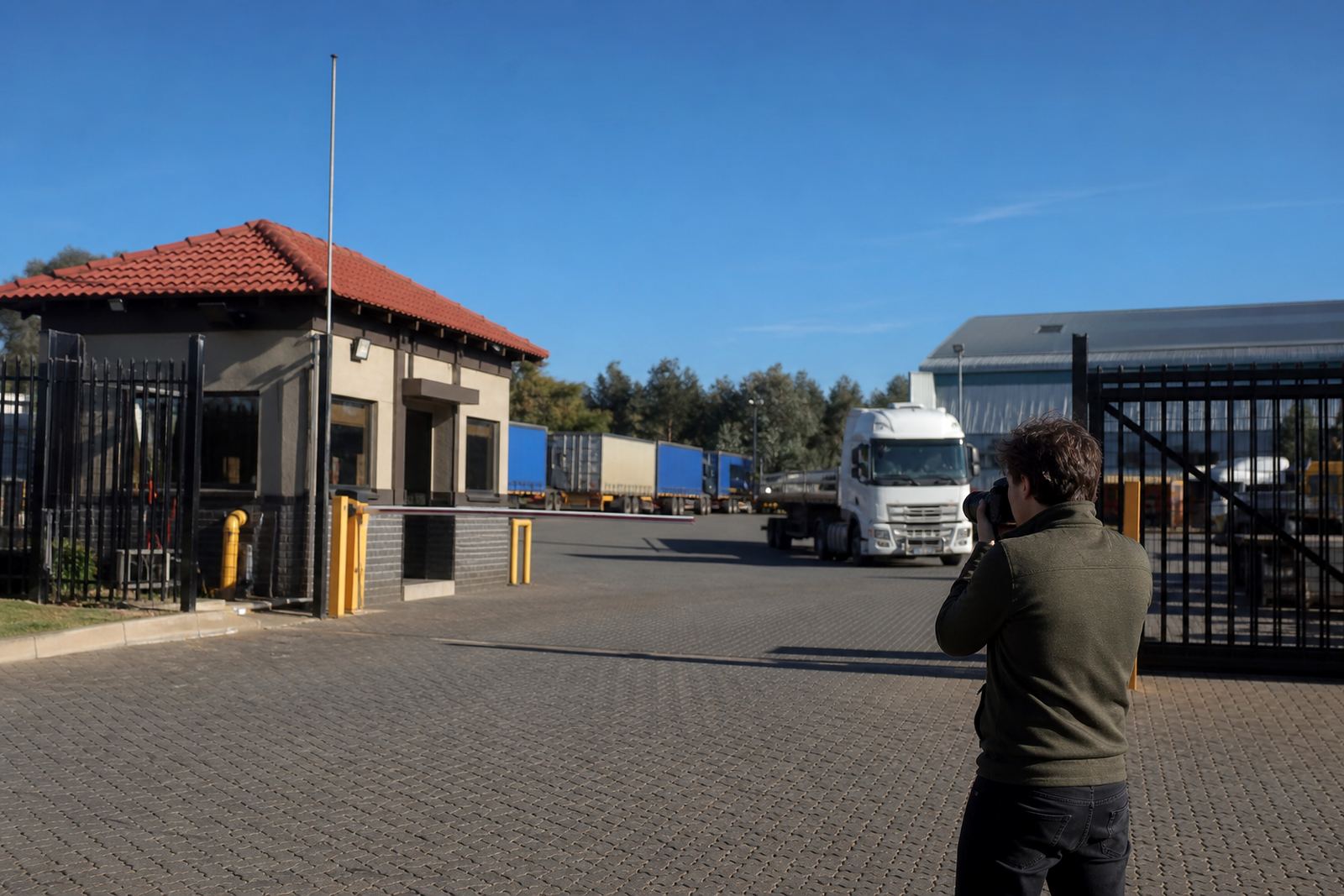
We began with company background checks and ownership verification, then matched the tenant's submitted information against available records and public footprint. From there, our company analyst and compliance lead reviewed the documents supplied for missing pages, expired details and inconsistent names. In parallel, our field verification lead visited the Soweto site to confirm the premises, note the current occupation status, and check whether the practical use of the property matched the lease proposal.
The site visit also helped with the small details that often get missed from behind a screen. We checked access points, signage, basic occupancy indicators and whether the surrounding activity supported the tenant’s stated operation. In areas like Soweto, power interruptions and municipal service delays can affect a tenant's trading pattern, so we looked at whether the proposed business would be realistic under load-shedding conditions and whether backup arrangements were mentioned in the lease pack. We also recorded whether the landlord had the right documents in hand for a clean handover, including proof of authority and supporting property papers where required.
- Company Background Checks
- Ownership Verification
- Site Visit Verification
- Occupancy Checks
- Document Gap Review
How the Report Helped the Landlord Decide
The final report gave the landlord a clear basis for decision making. It showed where the tenant profile was supported by the documents and where further caution was needed before signature. The strongest value came from combining the property view with the company view, instead of treating the lease as a paper exercise only. The landlord could see which risks were manageable and which needed wording in the lease, such as repair responsibility, utilities and early access conditions.
There was also value in the timing. Because the report was completed before the lease was locked in, the landlord had space to ask for a few practical amendments rather than dealing with a dispute after occupation. One issue that came out clearly was that the proposed occupation plan needed to align more tightly with the operating hours on the premises, otherwise noise and access could have become a nuisance for other users on the site. That kind of detail is easy to miss until the tenant is already in place.
- Better confidence before lease signature
- Clearer view of tenant and premises risk
- Practical lease wording points identified early
- Reduced chance of post-occupation disputes
Timeline, Key Facts and Deliverables
The assignment moved quickly and stayed focused. Week one covered instruction, records review and the site visit in Soweto. In the following days we completed the cross-checks, quality review and report formatting. The landlord received a clean summary that was easy to read and could be used in the lease discussion without having to wade through unnecessary material. We kept the report practical, with enough detail to support a leasing decision and no filler.
The deliverable included a landlord-friendly summary, risk notes, document observations and a recommendation-style conclusion based on what we could verify. It was not just a yes or no answer. It gave the client a proper basis for asking follow-up questions before committing. For a commercial lease, that matters because a tenant may look fine on paper but still be weak on occupancy fit, paperwork or trading support. A careful screening can save weeks of back and forth later on.
- Two-week delivery window
- Field verification completed in Soweto
- Cross-checks done by company and property specialists
- Final report structured for landlord review
What We Would Repeat on the Next Lease Review
If we were asked to do the same work again, we would follow the same sequence: confirm the tenant, inspect the premises, review the paperwork, and close the gaps before lease signature. That method works because it keeps the process grounded in facts instead of assumptions. For commercial property in Soweto and other busy Gauteng nodes, a paper-only review is never enough on its own.
We would also keep the reporting tight enough for quick decision-making. Landlords usually do not need a long technical memo when the lease is waiting, they need clear evidence, a short risk summary and practical next steps. That approach suits buyers, lenders and landlords alike. It is especially useful where a property has had different uses over time or where the tenant’s trading pattern may be affected by municipal interruptions, access control or shared services. The point is to protect the transaction before it becomes expensive to fix.
- Repeat the same evidence-led workflow
- Keep the report short enough for fast decisions
- Verify occupancy and use on site, not only from documents
- Flag lease issues before occupation starts
Key facts
| Project | Soweto Tenant Screening |
|---|---|
| Client type | Private commercial landlord |
| Town | Soweto, Gauteng |
| Service focus | Tenant profile due diligence for a commercial lease |
| Timeline | About 2 weeks |
| Outcome | Lease decision supported with verified risk notes and document checks |