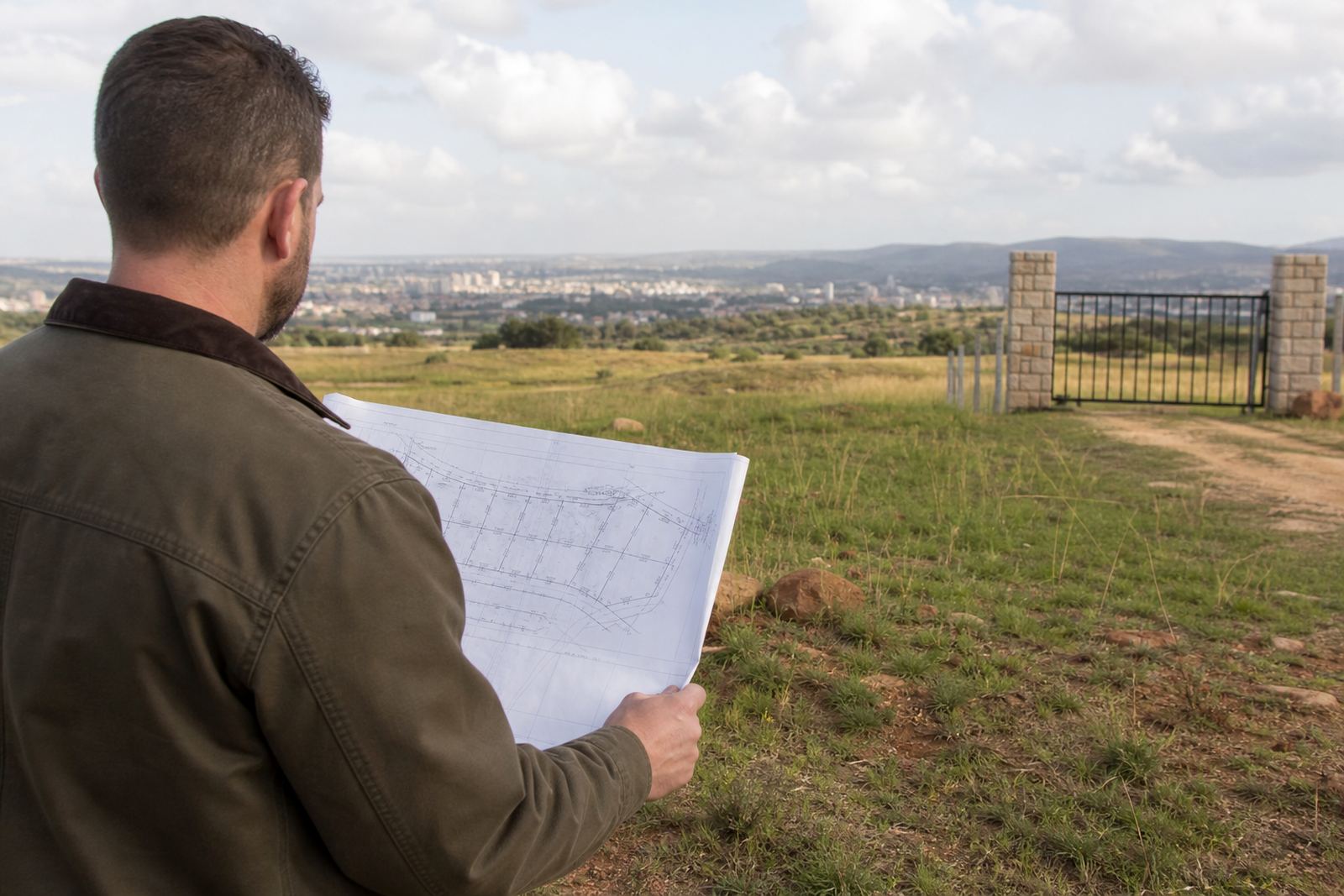

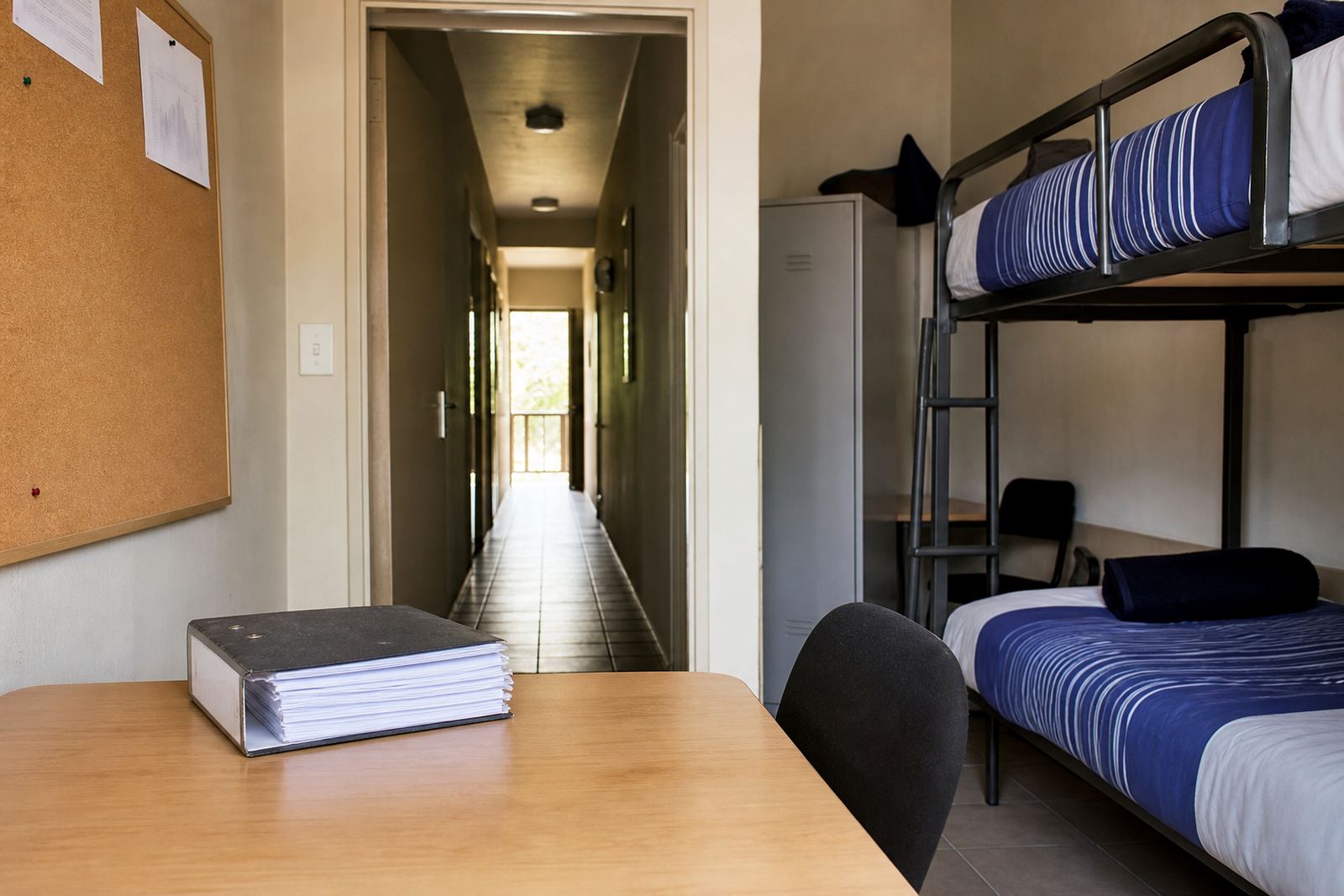
Why the purchaser needed a clearer view of the asset
The client was a private purchaser based in the Western Cape who was looking at a student accommodation block in Stellenbosch, close to the main education corridor and within easy reach of transport routes, shops and campus activity. The building had steady student demand on paper, but the buyer wanted more than brochure figures and rental claims. They needed to know whether the occupancy pattern was stable, whether the property was being managed properly and whether the physical condition matched the asking price.
The brief covered both company and property due-diligence angles. That meant checking who owned the asset, whether the records lined up, whether the site still reflected the way it was being presented, and whether there were any signs of deferred maintenance or rental concentration risk. For a student housing transaction, those details matter because turnover can be high and even small issues with access control, water supply, repairs or vacancies can affect cash flow quickly.
Constraints we worked around in Stellenbosch
The main constraint was time. The purchaser needed a decision support report within two weeks, and the property was being marketed during a busy rental period when occupancy can change from one month to the next. We also had to work around the fact that student accommodation often has mixed record quality. Tenants may move in and out quickly, utilities may be bundled or excluded, and management notes are not always kept in a format that can be verified easily.
Another issue was the local operating environment. In Stellenbosch, student housing can be affected by load-shedding, water pressure interruptions and heavy wear on common areas. Coastal humidity is not as severe as in Cape Town’s immediate beachfront zones, but moisture movement, staining and ventilation issues still show up in older buildings and converted residential stock. Municipal rules on occupation and safety standards also needed to be considered, especially where rooming arrangements or shared facilities were involved.
- Location: Stellenbosch, Western Cape
- Property type: student accommodation block
- Timeline: 2 weeks from instruction to delivery
- Focus areas: occupancy, condition, ownership and transaction risk
What we checked before the report was signed off
We started with ownership verification and document gap review to confirm that the title-related information, registered parties and transaction file documents were aligned. From there, we moved into property record searches and director profile research where applicable, so the purchaser had a clean view of the decision chain behind the asset and any linked entities. In a project like this, a missing page or an outdated record can change the risk picture, so nothing was taken at face value.
We then carried out site visit verification and occupancy checks. That involved confirming the condition of the exterior, shared spaces, parking layout, access points, roof condition indicators and general upkeep. We also looked at signs of actual use, such as room turnover, furniture wear, security controls and the way communal areas were being maintained. The purpose was not to produce a cosmetic score, but to identify whether the property was producing the kind of occupancy and operational profile the buyer expected.
- Ownership Verification
- Property Record Searches
- Site Visit Verification
- Occupancy Checks
- Document Gap Review
- Transaction File Audit
How the building condition indicators were read
Student housing needs a slightly different lens from standard residential property. Wear and tear is normal, but repeated patch repairs, inconsistent paintwork, damaged doors or poor lighting can point to management strain rather than ordinary use. We read the building condition indicators with that in mind. The aim was to separate normal student turnover from issues that could affect lender confidence or future capex.
The site showed a functioning asset with visible use, but there were a few areas that deserved attention. These included common area finish wear, some evidence of moisture-related maintenance in selected sections, and a general need to keep up with security hardware and cleaning schedules. None of that was unusual for a multi-occupancy student block, but it did mean the buyer had to factor in maintenance reserves instead of relying on optimistic income assumptions. We flagged the likely pressure points and noted where a sharper management plan would help protect value over time.
What the report gave the purchaser and lender team
Our final report brought the information into a format that the client could use in a funding or purchase decision. It set out the main facts, highlighted the gaps, and showed where the property supported the asking narrative and where it did not. The client used it to review occupancy patterns and building condition indicators, then adjusted their offer strategy accordingly.
The value came from the practical detail. Rather than only confirming that the property existed, the report helped the purchaser understand whether the income story was believable, whether the operational setup looked sustainable and whether there were red flags that would need negotiation. That made it easier to speak to lenders, advisers and internal decision makers with one clear document instead of several disconnected notes.
- Confirmed key ownership and record details
- Highlighted occupancy pattern concerns
- Identified maintenance items needing follow-up
- Helped support a more cautious pricing view
- Reduced uncertainty before final commitment
What we would do again on a similar project
If we were asked to do the same kind of project again, we would follow the same structure: verify the records first, inspect the property second, then test the story behind the income. That sequence works well for student accommodation because the asset can look full and active while still carrying hidden risk in the paperwork, maintenance backlog or tenant turnover profile.
We would also keep the same focus on local operating realities. In towns like Stellenbosch, a due-diligence exercise is stronger when it reflects real conditions on the ground, including seasonal rental pressure, campus-driven demand, municipal compliance and the practical effects of load-shedding on security and common services. That approach gives buyers and lenders a report they can use with confidence, not just a file full of generic statements.
For similar projects across Pretoria, Johannesburg, Cape Town, Durban and Bloemfontein, the same method remains useful: establish who owns what, check what is actually on site, and measure the property against the income claims being made. That is how we help clients make informed decisions before they sign.
Key facts
| Project | Stellenbosch Student Housing |
|---|---|
| Client type | Purchaser of student accommodation |
| Town | Stellenbosch, Western Cape |
| Timeline | 2 weeks |
| Core checks | Occupancy patterns, building condition indicators, ownership verification and transaction file review |
| Outcome | Clearer view of risk, maintenance pressure and pricing support for a purchase decision |