What the Occupancy Review Report covers
An Occupancy Review Report is a property due-diligence document focused on the people and activity inside a property, not just the title deed or sales listing. It looks at occupier mix, vacancy signals, visible business activity, tenant stability and income related concerns that can affect a purchase price, lending decision or lease negotiation.
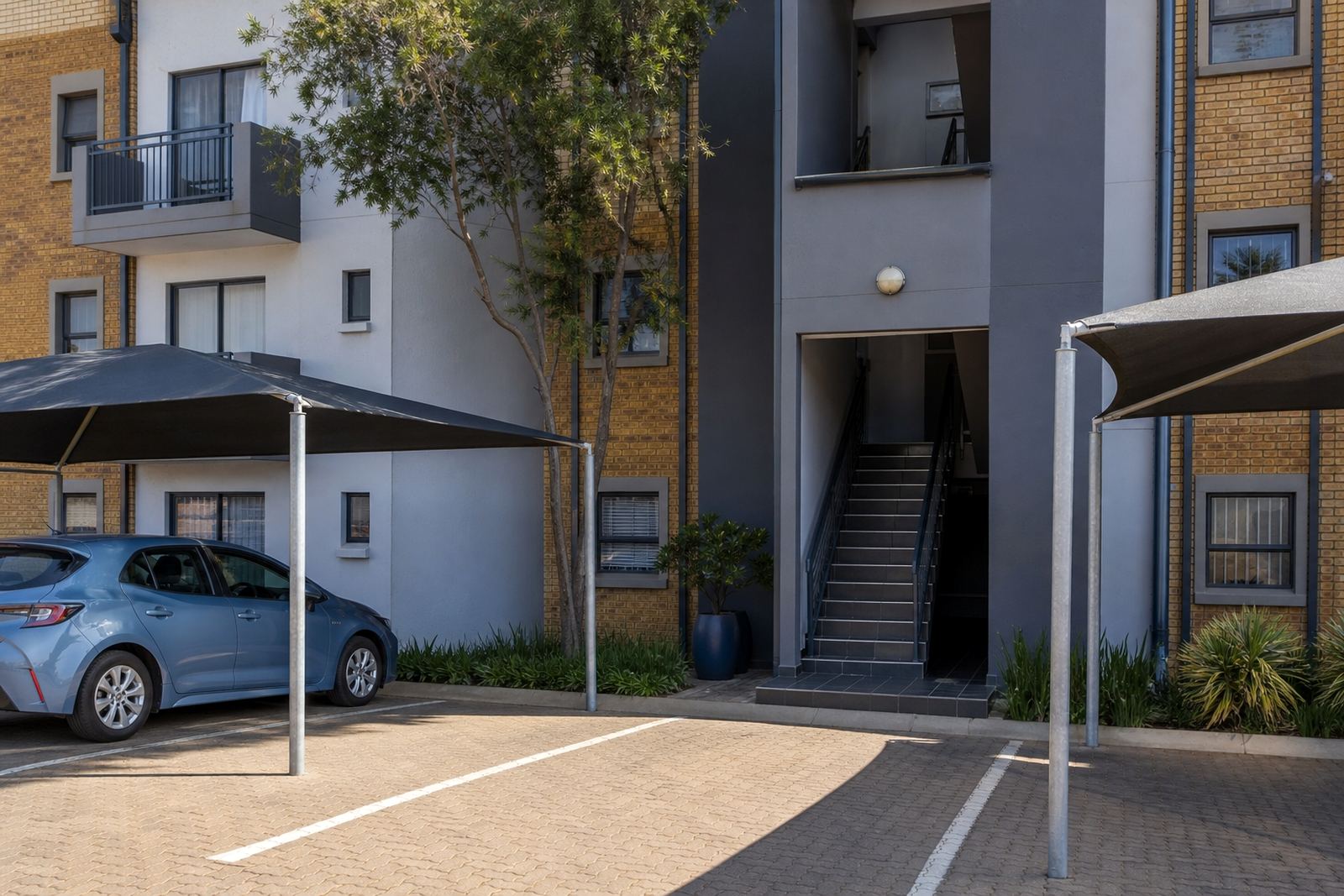
We use benchtop research, document checks and on-site verification where needed to confirm whether the property is actively occupied, partially vacant, under-used or carrying signs of distress. In Centurion, Sandton, Midrand and the inner cities, that detail matters because a building can look busy from the street while still having weak occupancy behind the front door. The report is useful for sectional title units, offices, retail space, industrial premises and mixed-use properties.
- Occupier mix and use type
- Vacancy indicators and empty area notes
- Income related risk flags
- Visible maintenance or operational concerns
- Confirmation of occupation where practical
Report options for different transaction sizes
Not every deal needs the same depth. A smaller single-tenant premises in Bloemfontein may only need a focused review, while a multi-let building in Cape Town or Durban may need a fuller breakdown of suites, common areas and support spaces. We prepare the report to suit the property and the decision at hand, so you are not paying for irrelevant detail.
Typical options include a standard review for straightforward assets, an extended review for multi-occupier buildings, and a portfolio version for buyers or lenders dealing with several properties at once. For larger facilities we can add floor-by-floor notes, tenant concentration observations, and a simple risk summary that highlights where the income stream may be weaker than it first appears.
- Standard: single property, direct occupancy view
- Extended: more tenant detail, vacancy notes, fuller comment on risk
- Portfolio: multiple properties compared in one file
- Custom: tailored to lender covenants, buyer conditions, or legal teams
Where an occupancy review suits best
This report suits buyers, lenders, attorneys, asset managers and brokers who need a practical view of how a property is actually performing. It is especially useful when the rental income is a key part of the deal, when there are signs of tenant turnover, or when the property has had recent changes in use.
It is also valuable where the municipality, body corporate or landlord records are not fully current. In some Gauteng and coastal areas there may be small unit changes, informal subletting, or vacant rooms that are not obvious in the sales pack. An occupancy review helps you compare what is advertised with what is physically there, which can prevent a rushed decision on a weak asset.
For lenders, it assists with income risk assessment and concentration risk. For buyers, it helps answer a simple question: will this property produce the income that was expected, and for how long?
What we look for on site and in the file
The report combines field observations with supporting checks. We look at whether the property is occupied as claimed, whether the visible use matches the intended use, and whether there are signs of low take-up, over-supply or tenant stress. Where access is permitted, we note tenant names displayed, unit activity, staff presence, signage, service access and the condition of shared areas.
We also review documents that may point to income strength or weakness, including leases, rental schedules, municipal billing notes where available, and any occupancy records supplied by the client. If there are gaps, we flag them clearly rather than guess. That is important because a missing lease, an old rent roll or an empty unit behind a locked roller door can change the whole risk picture.
- Visible tenant activity and signage
- Evidence of vacancy or under-use
- Lease and rent roll consistency
- Common-area condition and upkeep signals
- Operational issues that may affect occupancy
Site access, power and service realities
For an occupancy review, no special installation is required from the client side, but practical access is important. We may need entry to common areas, reception points, loading areas or individual units where permission has been given. If the site is in a sectional title complex, office park or industrial park, access control and gate procedures should be arranged in advance so the visit is not delayed.
Power and service availability can also affect how a property is occupied. In South Africa, load-shedding, backup generators, inverter systems and fuel supply can influence whether tenants stay put or move out. For warehouses, food premises and medical users, gas, cold storage, internet connectivity and water continuity can be part of the occupancy risk. If a property depends on these services, we recommend that the client provide any known details up front so the report can note operational exposure properly.
Coastal humidity in Durban and salt air in Cape Town can also show up in tenant complaints, plant room issues and maintenance delays, which in turn affect letting performance. Those practical factors are worth recording before a lender signs off or a buyer goes unconditional.
Care, servicing and what to check before ordering
An occupancy review should be current. A building that looked full three months ago may already have two empty suites, a short-term tenant or a change in use. Before ordering, check that the property details are correct, that the title description matches the space under review, and that you have the latest lease schedule or tenant list available.
Also confirm whether you need a one-time report or a follow-up review after a lease event, refurbishment or sale agreement amendment. If the asset is part of a larger portfolio, ask for a format that allows side-by-side comparison of occupancy strength, vacancy rate and rental concentration. That makes it easier to spot weaker properties before they affect the rest of the transaction.
- Confirm the exact erf, unit or sectional title reference
- Provide the latest tenant or occupant list
- State whether the report is for purchase, lending or refinancing
- Flag any known vacancies, works or evictions
- Ask for a custom summary if the deal needs lender-style risk notes
How Around Report SA handles occupancy reviews
Our Centurion team prepares occupancy reviews for properties across Pretoria, Johannesburg, Sandton, Midrand, Cape Town, Durban and Bloemfontein. Mpho Sekgobela leads the business, with Naledi Mokoena on property research, Johan van der Merwe on company analysis, Themba Ndlovu on field verification, and Ayesha Ismail on quality and compliance. That mix helps us keep the report practical, checked and suitable for real transaction use.
We focus on clarity: what is occupied, what is empty, what is uncertain, and what that means for the deal. If the file points to income weakness or a mismatch between the building and the paperwork, we say so plainly. That is what buyers and lenders need when the numbers have to stand up under scrutiny.
Key facts
| Report type | Property due-diligence occupancy review |
|---|---|
| Typical use | Buyer and lender decision support |
| Coverage | Occupier mix, vacancy signals, income concerns |
| Property types | Office, retail, industrial, mixed-use, sectional title |
| Format options | Standard, extended, portfolio, custom |
| Service area | Centurion, Pretoria, Johannesburg, Sandton, Midrand, Cape Town, Durban, Bloemfontein |