
What an Office Park Report covers
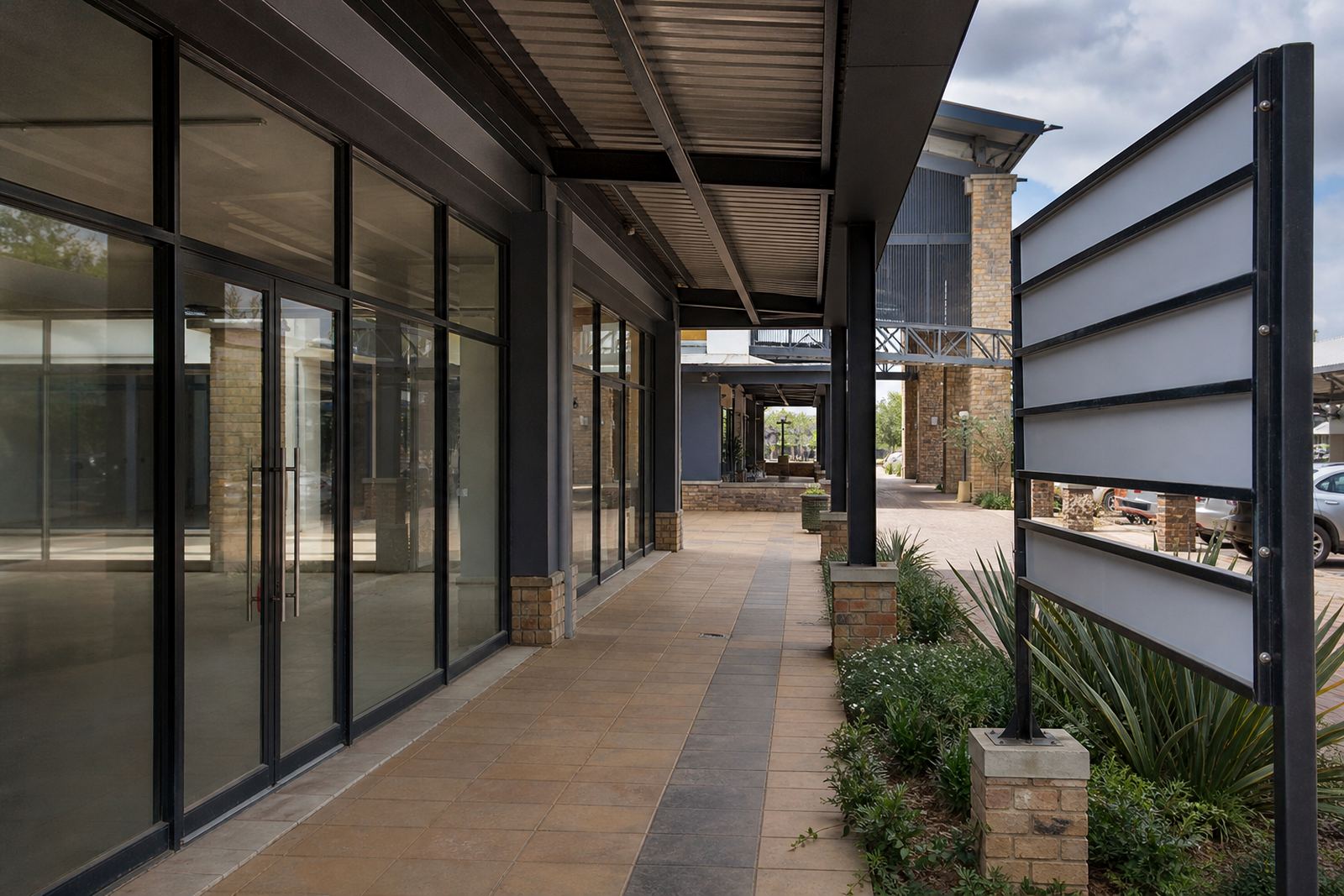
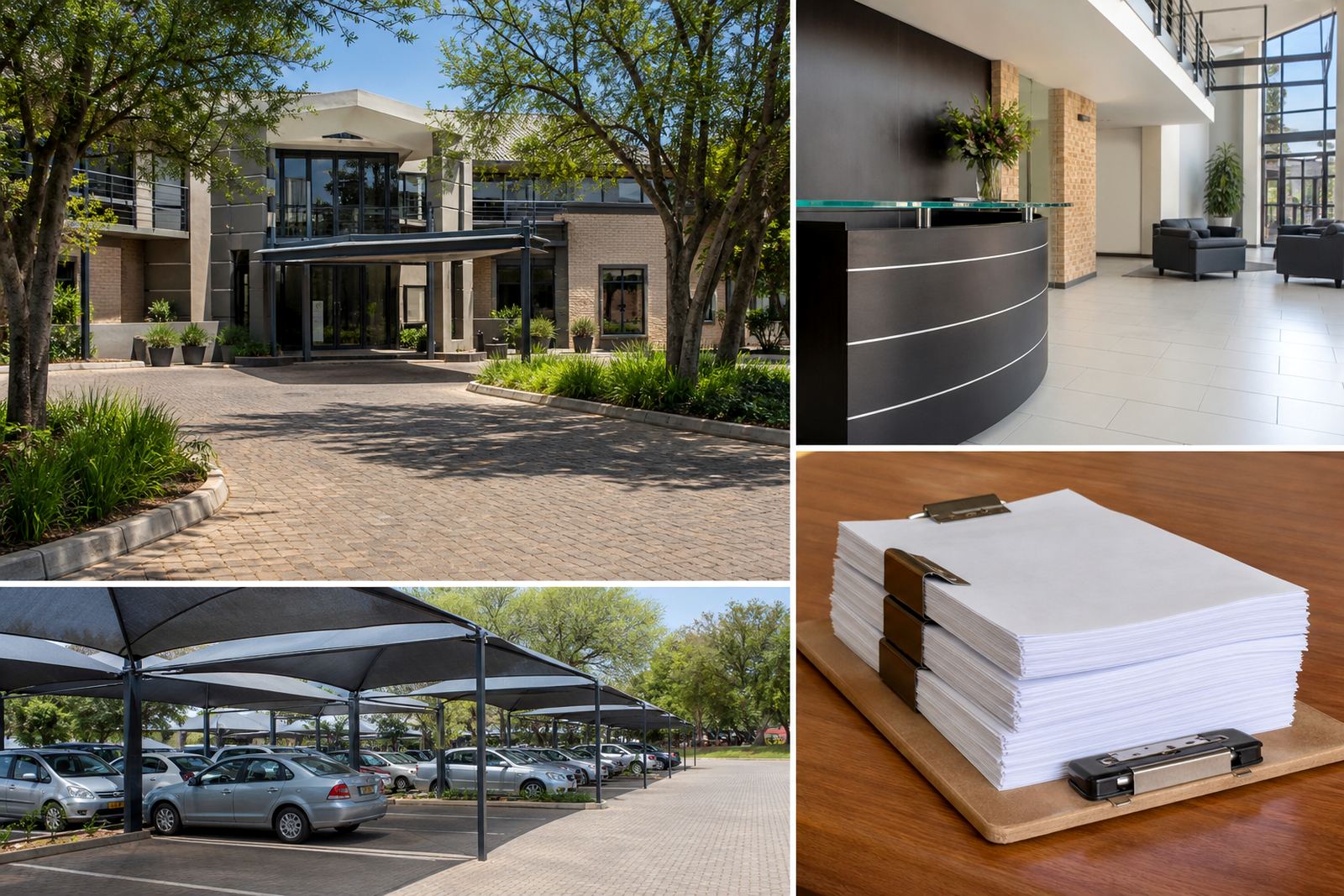
An office park can look tidy from the street and still hide lease, title or occupancy problems. Our Office Park Report is a due-diligence package for acquisitions, new leases, refinancing and portfolio reviews, with practical checks that show who owns the property, who occupies it and whether the paperwork supports the deal. It is used for multi-tenant parks, standalone office buildings and sectional title office units across Centurion, Pretoria, Johannesburg, Sandton, Midrand, Cape Town, Durban and Bloemfontein.
The report combines company and property research with field verification where needed. That means you get a clear view of the asset, the parties involved and any matters that could affect value, rental income or transfer timelines. We also flag gaps that may need a follow-up before an offer is signed or funds are advanced.
Best use cases for buyers, landlords and lenders
This report suits anyone who needs to make a decision on an office property without relying only on the seller’s pack. It is especially useful where the asset has multiple tenants, recent changes in occupation, complex ownership, or lease income that will support a bond application. In coastal cities such as Cape Town and Durban, it can also help spot maintenance pressure linked to humidity, corrosion or water ingress around parking areas and plant rooms.
- Office park purchases, including sectional title and freehold assets
- Lease negotiations for tenants taking space in a managed office park
- Bond and refinancing applications where rental income matters
- Portfolio reviews for owners with several office properties
- Distressed or high-vacancy properties that need closer scrutiny
If the building is in an area with load-shedding pressure, security issues or irregular municipal service delivery, the report can note these factors where they affect trading conditions, access or tenant retention. That gives lenders and buyers a fuller picture of the asset’s day-to-day reality.
What the report includes and the core checks
The Office Park Report is built around the questions that matter before a transaction proceeds. We check the legal and commercial basics, then compare them with what is found on site and in supporting records. Where information conflicts, the report points it out plainly so the client can decide what to verify next.
- Ownership verification and title-related checks
- Director and company profile research for the relevant parties
- Occupancy checks and tenant presence confirmation
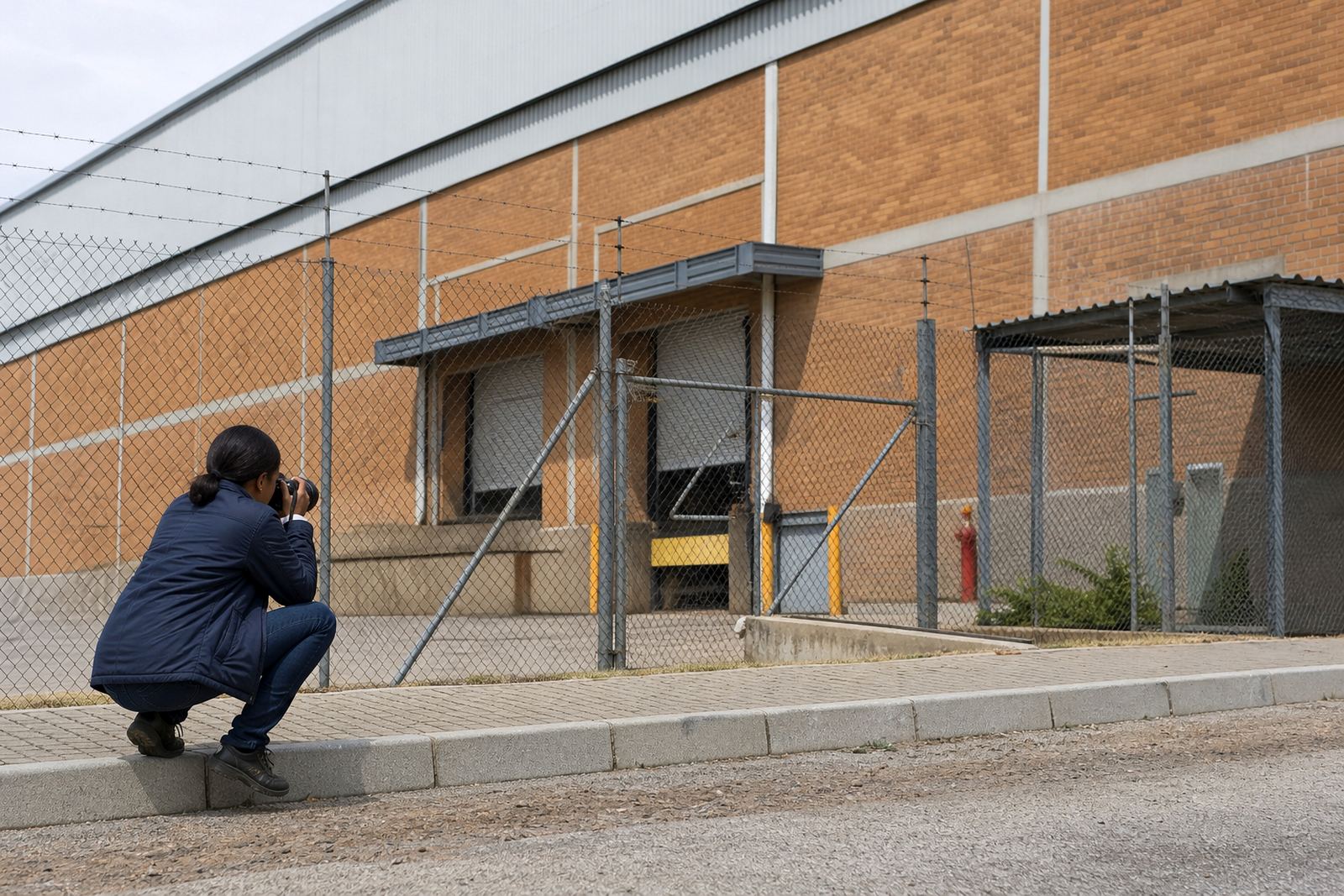
- Site visit verification where access is available
- Document gap review for missing leases, rates statements or consent letters
- Adverse media research and credit risk screening
- Transaction file audit for lending or acquisition packs
For office parks with shared services, we also look at practical matters such as parking control, guard access, maintenance responsibility and visible signs of vacancy. If a property is partly occupied or recently re-let, that is recorded clearly because it can affect valuation and lending appetite.
Sizes, options and report depth
Not every office deal needs the same depth of review. We offer report options that can be scaled to the transaction value, the number of units involved and the level of risk. A straightforward single-building purchase may only need a standard package, while a large office park with several tenants may need a fuller review that includes extra verification and document comparison.
Typical options include a focused property report for one unit, a broader site-level report for an entire office park and a lender-focused version that highlights income, occupancy and file completeness. If you are dealing with a portfolio, the report can be customised so the findings are grouped by address, tenant, owner entity or funding risk.
- Single office unit review
- Full office park review
- Lender-focused version with risk summary
- Portfolio review across more than one address
We can also adapt the level of detail for the client’s internal process. Some buyers want a short decision-ready summary, while others need a more detailed file for legal or credit committee review.
Access, documents and practical requirements
Because this is a due-diligence report, the work depends on access to the right information rather than power or gas on site. We normally need the property address, the target entity name if known, lease copies where available and any seller or lender documents already in circulation. If a site visit is required, we will also need permission for access and a contact person who can meet us at the property.
For office parks in busy areas like Sandton, Midrand or central Pretoria, access can be affected by security protocols, boom gates and tenant-controlled reception areas. In those cases, timely coordination helps avoid delays. If the building is occupied after hours or on a weekend the report may need an adjusted inspection time, especially where tenant operations are sensitive or parts of the park are locked after business hours.
There is no installation process, but there is a practical setup step: the more complete the document pack, the cleaner the findings. Missing leases, unsigned addenda or outdated ownership records usually mean more follow-up and longer turnaround.
How to order and what to check first
Before you order, it helps to confirm exactly what decision the report must support. A purchase report, lending review and lease-risk check do not always ask the same questions. If you are not sure where the risk sits, start with the property address and the parties involved, then decide whether the focus should be ownership, occupancy, income, or document integrity.
- Confirm the full street address and unit numbers
- Identify the company or owner entity involved
- List the tenants and lease terms if available
- Note whether the report is for buying, lending or leasing
- Share any urgent deadline or bond condition
For office parks with older infrastructure, we recommend checking visible upkeep, parking condition, backup power arrangements and any signs of vacancy before final instructions are given. These practical details often affect how a lender views the file and whether a buyer proceeds at the asking price.
Care, servicing and follow-up after the report
A due-diligence report is most useful when it is kept current. Office parks change hands, tenants move out and service arrangements change, so an older report can quickly lose value. If the transaction is delayed, or if a new tenant is added, it is wise to ask for an updated review of the affected sections rather than relying on stale information.
For clients managing several properties, we can assist with periodic portfolio checks and follow-up verification after the first report is issued. That is useful where there are municipal account issues, changing occupancy or a refinancing process that runs over a few months. In Gauteng especially, a small gap in records can become a bigger problem if it is left until transfer or bond registration is already underway.
Keep the report with the supporting transaction file, because it is often needed again by attorneys, credit committees or internal approvers. A clean record now saves time later, and it makes it easier to compare the office park against other assets in the same portfolio.
Key facts
| Report type | Office park due-diligence report |
|---|---|
| Typical users | Buyers, landlords, lenders and portfolio managers |
| Coverage | Ownership, occupancy, document review, adverse media and risk screening |
| Format | Decision-ready summary with supporting research notes |
| Scope options | Single unit, full office park, lender-focused or portfolio review |
| Base area | Centurion, Gauteng with coverage across South Africa |