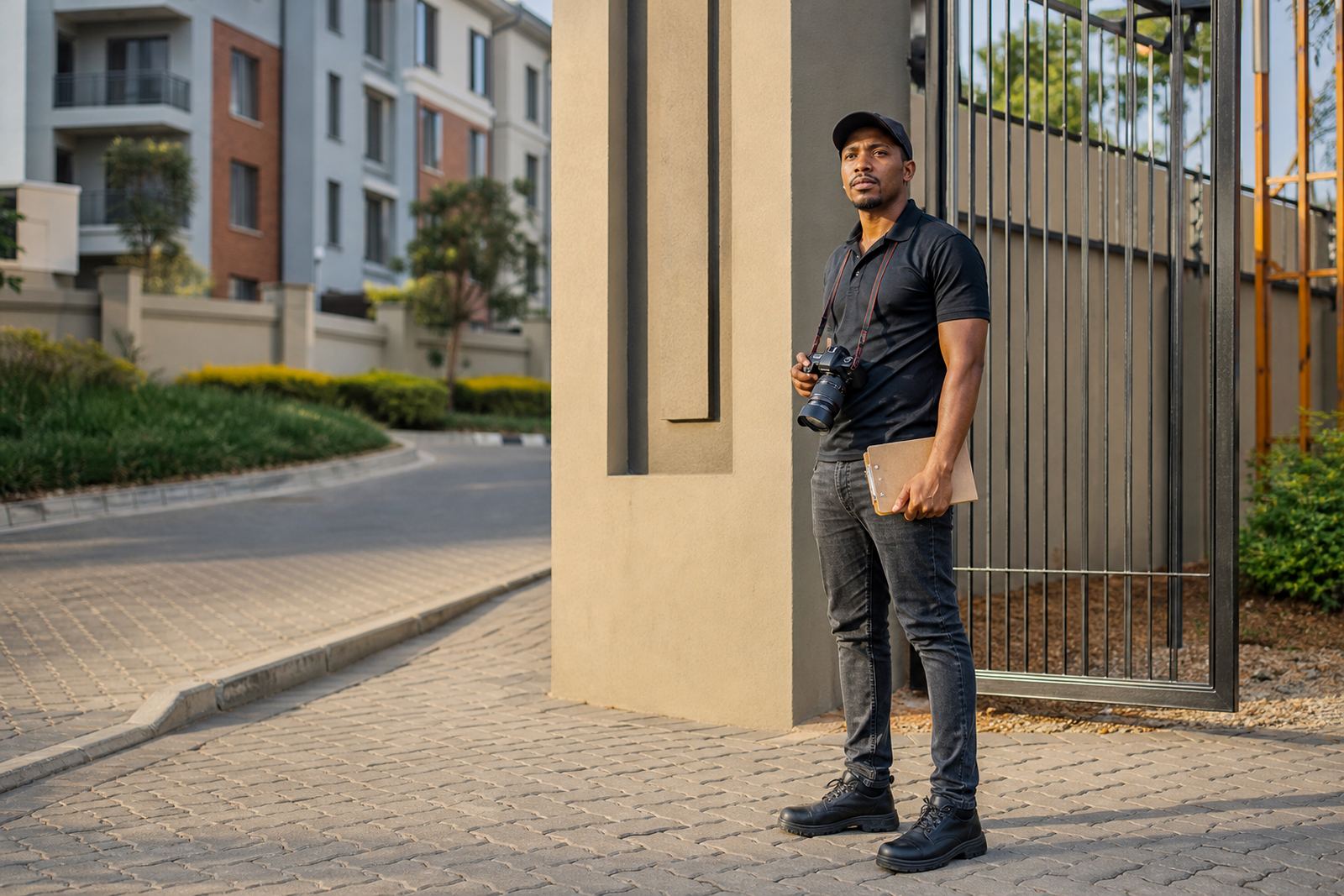


What Credit Risk Screening Covers
Credit Risk Screening is a fast, first-pass review for transactions where you need to know whether the other party is likely to pay, trade or perform as expected. It is useful before approving supplier accounts, extending payment terms, releasing materials, or moving a lending file to the next stage. The report is designed for buyers and lenders who need a practical view of risk without waiting for a full due-diligence pack.
Each screening is built around South African company and property checks, with findings pulled into one file that is easy to read. We focus on the items that usually matter first: who owns and controls the business, whether the entity is active and compliant, whether there are warning signs in public records, and whether the trading profile matches what has been presented. In Gauteng, the Western Cape and coastal areas like Durban, we also pay attention to address quality and site presence where physical trading risk can change quickly.
- Company registration and status confirmation
- Director and beneficial ownership review
- Property and address verification where relevant
- Adverse media and public record screening
- Basic credit risk indicators and flags
- Summary opinion with clear next-step notes
How We Build the Screen
We start with the entity details you provide and verify the basics before moving into higher-risk indicators. That includes matching the registered name, registration number, trading name where supplied, and the known place of business. If there is a property link, we check whether the premises are suitable for the stated activity and whether the occupation evidence supports the transaction. This matters in sectors where a supplier may be operating from a home address, a shared industrial unit, or a site with limited signage.
Our analysts then review the public footprint and available financial signals that can indicate stress, dispute or inconsistency. We look for adverse matters that may affect the counterparty’s ability to complete the transaction, including litigation references, liquidation indicators, director involvement in other distressed entities, and media references that may require follow up. Where useful, we can also add a short recommendation on whether a fuller company or property report should follow. The process is structured so the output stays concise but still useful for credit committees and procurement teams.
- Input review and scope confirmation
- Registry and ownership checks
- Address or site verification if required
- Adverse finding review and risk flags
- Final quality check by our compliance team
What You Receive in the Report
The report is written for quick use in a lending, procurement or supplier approval workflow. Instead of long narrative, you get a clear summary supported by source notes and risk indicators. If the counterparty appears low risk on the checks completed, that is stated plainly. If the result shows gaps, inconsistencies or warning signs, those items are set out so your team can decide whether to proceed, request more documents, or move to a higher level of diligence.
Typical output includes a brief profile of the company, identified directors or owners, the screening result, and any material issues we found. We can also tailor the format for portfolio reviews, new account approval or one-off transaction checks. For lenders managing multiple applications across Pretoria, Johannesburg and Cape Town, this helps keep decisions consistent across branches and teams.
- Executive summary with risk view
- Company and ownership profile
- Known address and location notes
- Adverse findings and caution flags
- Suggested follow-up actions where needed
Turnaround Times and Maintenance Intervals
For standard screening instructions we normally work to a short turnaround, depending on the complexity of the entity and the volume of records that must be checked. Straightforward cases can move quickly, while matters involving multiple directors, linked entities, or site verification can take longer. If you are working to a deal deadline in Sandton, Midrand or Cape Town, tell us the timing up front and we will confirm what is realistic before the file is opened.
Maintenance intervals depend on how the report will be used. For a single transaction, one screening may be enough. For revolving supplier accounts, staged funding, or a portfolio of borrowers, many clients request repeat screening at defined intervals so they can keep an eye on changes in ownership, status or adverse events. In a load-shedding environment, or where trading conditions shift quickly, periodic refreshes are often more useful than a once-off check.
- Single transaction screening: once-off
- New account approval: initial screen plus refresh before first order
- Ongoing supplier terms: monthly, quarterly or biannual reviews
- Higher risk counterparties: closer interval tracking on request
Pricing Approach and Scope Control
We price Credit Risk Screening according to scope, urgency and the number of entities to be checked. A single company screen is priced differently from a group structure review or a file that needs property confirmation, field verification and extra document review. This keeps the cost aligned with the work required, and it means you only pay for the checks that matter to your decision.
Before we start, we confirm the scope so there are no surprises. If you only need a basic counterparty view, we keep it focused. If you need a wider review because the exposure is larger or the supplier is new to market, we can extend the screen to include linked parties or supporting documents. For buyers and lenders managing several deals at once, we can quote on batches as well as individual instructions. It is a straightforward process, no fuss and no unnecessary extras.
- Single entity or batch pricing available
- Scope set before work begins
- Extras quoted only when required
- Suitable for ad hoc checks and ongoing panels
When to Use a Credit Screen Instead of a Full Due Diligence File
This service is best when speed matters and the exposure is still at an early stage. Many clients use it before sending formal terms, before releasing first stock, or before asking for a larger company or property report. It helps reduce the chance of spending time and money on a counterparty that already shows clear warning signs. In practical terms, it is a quick filter that helps you decide whether to continue, pause, or ask for more detail.
If the result is clean, you may choose to proceed to a fuller review if the deal size warrants it. If the result shows gaps, high debt risk or ownership concerns, you have an early reason to slow down. That can save a lender or supplier from carrying a poor file through to approval. For clients in Bloemfontein, Durban and across Gauteng, the benefit is the same: a quick, grounded view before more money is on the line. We also keep the language clear so your team can share the outcome internally without trying to interpret technical notes.
To request the service, clients use the enquiry form on our contact page and we confirm the scope from there.
Key facts
| Service type | Early-stage counterparty risk screening |
|---|---|
| Primary users | Lenders, suppliers, credit teams and procurement teams |
| Coverage | Company, director, ownership and public-risk checks |
| Typical turnaround | Short turnaround, subject to scope and record complexity |
| Pricing model | Quoted by scope, urgency and number of entities |
| Maintenance options | Once-off, monthly, quarterly or biannual refreshes |