What our occupancy checks look for on site
Occupancy checks are a practical way to confirm if a property is occupied, partly occupied, or sitting empty. For buyers, lenders and asset managers, this can affect valuation, access, rental assumptions and the risk attached to the transaction. We inspect the property from the outside where access is limited, and from the inside where lawful access has been arranged. The aim is to verify the real use of the premises, not just what appears in documents.
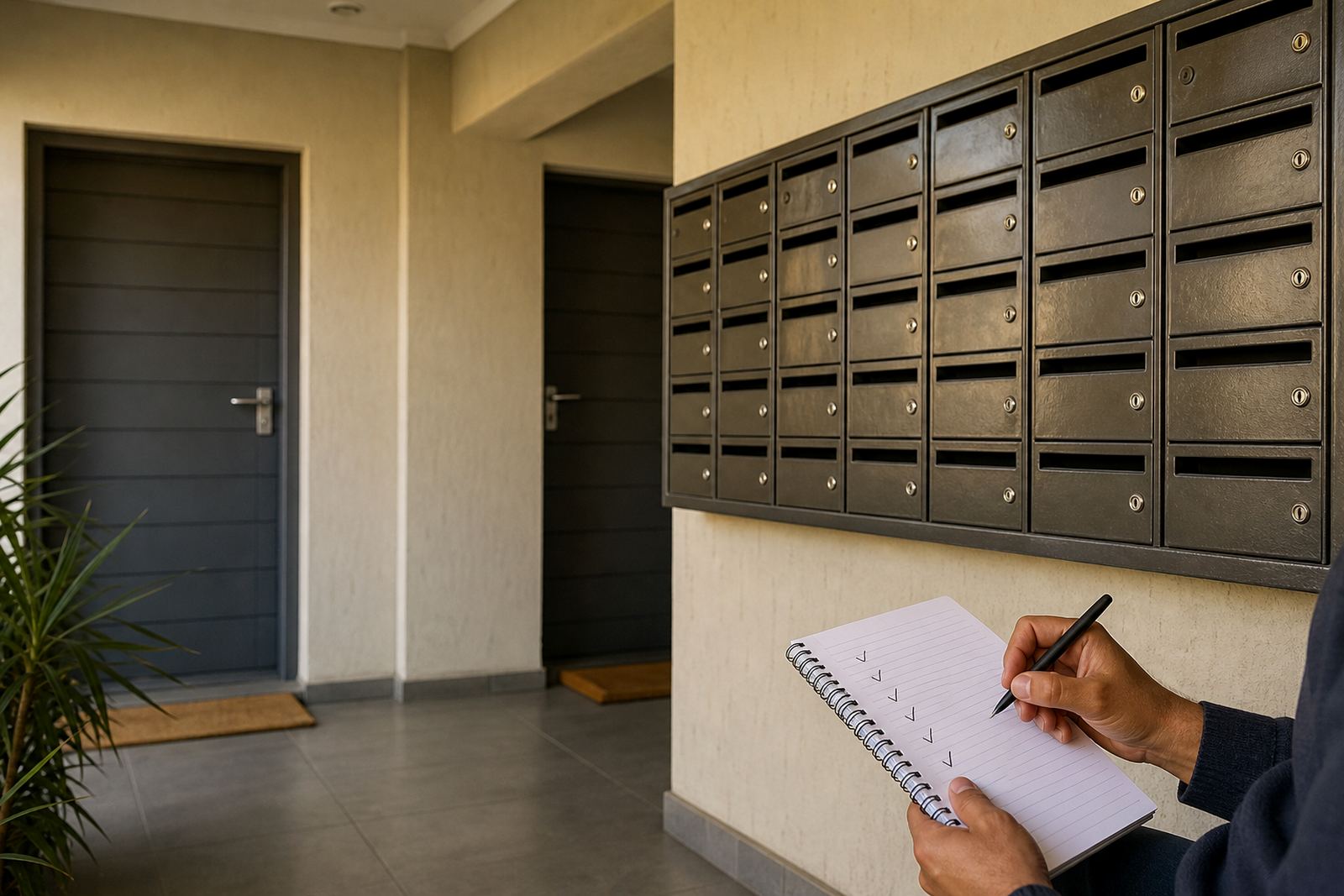
Our field team notes tenant presence, signs of day-to-day activity, visible security measures, building access conditions, utility indicators, and any mismatch between the declared use and the actual use. In a mixed-use block in Johannesburg or a light industrial unit in Centurion, the difference between active occupation and intermittent use can matter a great deal. We also look for vacancy indicators such as shut-up units, no visible business activity, mail piling up, broken seals, uncollected waste, or lock changes that suggest a change in occupancy.
- Tenant presence confirmation where access is permitted
- Vacancy indicators and signs of long-term closure
- Use pattern notes for office, retail, industrial or residential property
- Basic access and security observations
- Photo-backed field notes where lawful and appropriate
What is included in the report
Each occupancy report is built to support a practical decision. We do not only say whether a property appears occupied. We set out what was observed, what could not be confirmed, and where further checking is sensible. That makes the report useful for credit decisions, pre-transfer checks, follow-up inspections and portfolio reviews.
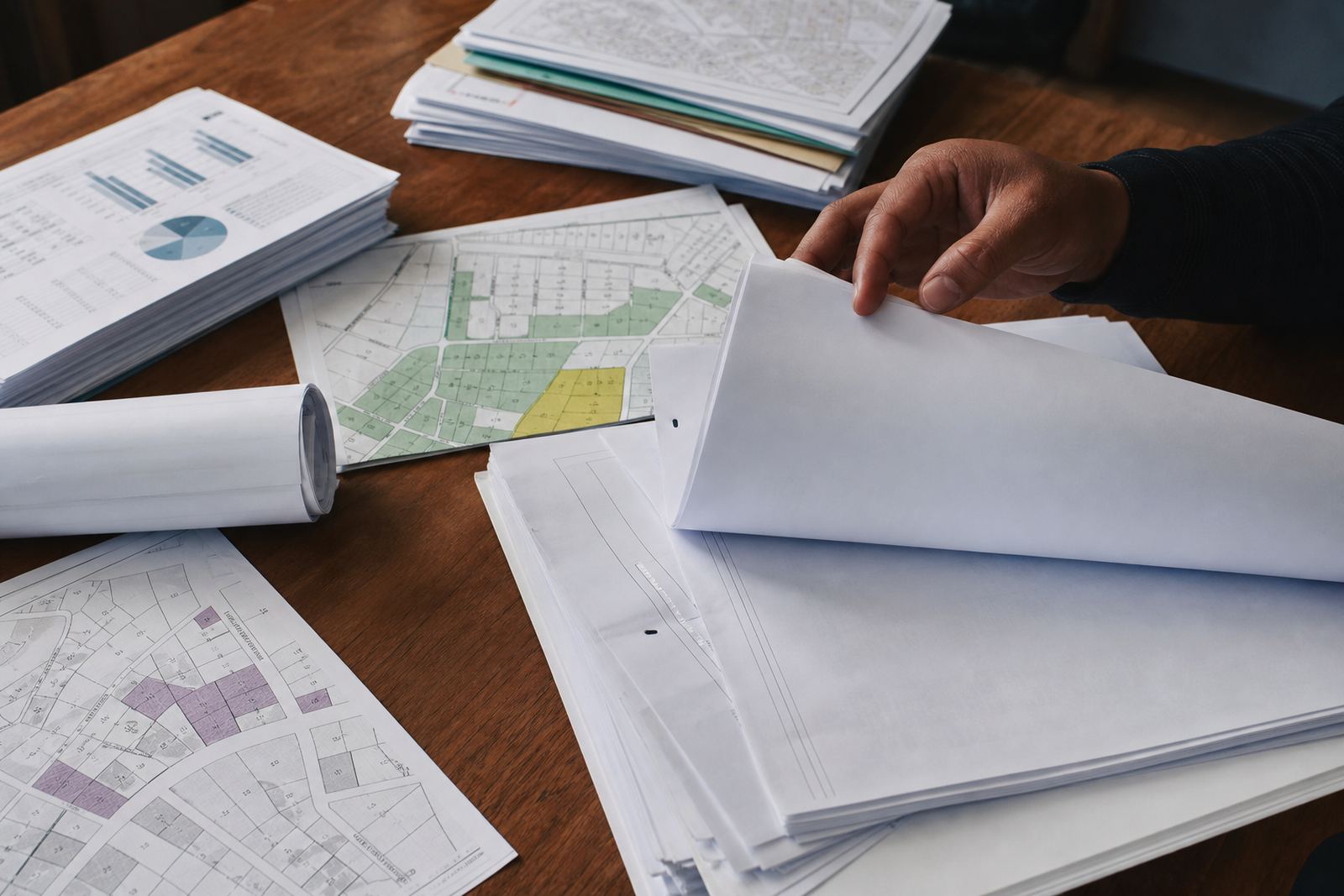
Depending on the instruction, the report may include the address verified, date and time of inspection, the names or roles of occupants if disclosed, the status of the premises, evidence of active use, and any warning signs that should be followed up. If there are multiple units, we can check each unit separately and note which spaces are occupied, vacant, sub-let, closed for repairs or used for storage only. This is especially useful in sectional title buildings, office parks and small industrial estates where occupancy can change fast.
- Property and unit identification
- Date stamped inspection findings
- Occupancy status summary
- Notes on visible use, vacancy or partial use
- Photographic support where available
- Escalation note where access was denied or the facts are unclear
How the verification process works
We start by confirming the instruction, the target property details and the reason for the check. For lenders this may be linked to a bond application, arrears follow-up or asset review. For buyers it may support a sale agreement, lease review or due-diligence exercise. Once the scope is clear, our team plans the site visit and decides whether a single visit is enough or whether a follow-up is needed at a different time of day.
On site, the field verification lead records what can be seen and what can be confirmed with the relevant occupant or contact person. Where there is no access, we still assess visible occupation indicators from lawful vantage points and note the limits of the check. After the visit, the findings are checked for consistency against the instruction and the report is compiled for client use. If the property is in a busy node such as Sandton or Midrand, timing is often important because occupancy patterns can change between business hours and after hours.
- Instruction review and address confirmation
- Benchtop preparation and visit planning
- Field inspection and occupancy observation
- Quality review and report drafting
- Delivery to the client with follow-up notes if needed
Turnaround times and repeat checks
Most occupancy checks are turned around within 2 to 5 working days, depending on location, access and the level of detail required. Central Gauteng sites are usually quicker to schedule, while coastal and outlying instructions may take longer if multiple units must be checked or if access has to be arranged with several parties. Urgent matters can often be prioritised, especially when a lender needs a decision before release of funds or a buyer needs to confirm a condition before transfer steps continue.
For portfolios and buildings that change hands often, repeat checks are useful. We can arrange maintenance intervals monthly, quarterly or on an event-driven basis such as before drawdown, after lease expiry, after default notice or before handover. This keeps the occupancy picture current and helps you spot drift in use, abandoned units, or early signs of operational stress. In coastal towns and humid environments, we also see faster wear on shuttered premises, so a fresh check can be worthwhile even when the last report looked clean.
- Standard turnaround: 2 to 5 working days
- Urgent scheduling: subject to area and access
- Repeat checks available monthly, quarterly or on request
- Suitable for single properties and multi-site portfolios
Pricing approach for occupancy checks
Pricing depends on the location, number of units, complexity of access, and whether the instruction needs one visit or several. A free-standing house in Bloemfontein is usually simpler to verify than a multi-let retail strip in Durban or a sectional title block with several tenants. We quote based on the actual scope so clients only pay for the work required, not a one-size-fits-all package.
Where there are extra travel costs, multiple verification points or after-hours checking, these are discussed up front. That is helpful for lenders, attorneys and buyers who need to budget accurately before committing to the next step. If the instruction needs supporting checks such as ownership verification, document gap review or site visit verification, we can group the work so the report set is more cost-effective. Clients often find this useful when one transaction has several moving parts and deadlines are tight.
- Quoted per property, unit count and complexity
- Travel and after-hours requirements priced upfront
- Options for bundled due-diligence instructions
- Suitable for one-off checks or ongoing monitoring
When occupancy checks are most useful
Occupancy checks are most useful when the paper trail and the reality on site may not match. That happens more often than people think. A tenant may have vacated early, a unit may be occupied by an entity not shown in the lease, or an office suite may be used only intermittently. In some cases, the premises are still receiving mail and utilities but the business is no longer trading from the address. Those details can affect risk, access, insurance and future income.
They are also useful where a lender wants comfort that a property is being maintained, or where a buyer wants to know whether the site is functioning as a going concern. For landlords and portfolio holders, periodic checks help catch silent vacancies before they become arrears or security problems. Around Report SA prepares these checks with the same practical focus used in other due-diligence work, so the client gets a clear answer and not just a box ticked.
- Before bond approval or disbursement
- Before purchase, transfer or takeover
- After lease expiry or tenant dispute
- For ongoing portfolio and vacancy monitoring
Key facts
| Service area | Centurion, Pretoria, Johannesburg, Sandton, Midrand, Cape Town, Durban and Bloemfontein |
|---|---|
| Typical turnaround | 2 to 5 working days |
| Inspection type | On-site field verification with lawful access where possible |
| Best for | Buyers, lenders, landlords and portfolio managers |
| Report format | Clear status summary with findings, notes and supporting observations |
| Repeat monitoring | Monthly, quarterly or event-based maintenance intervals |